
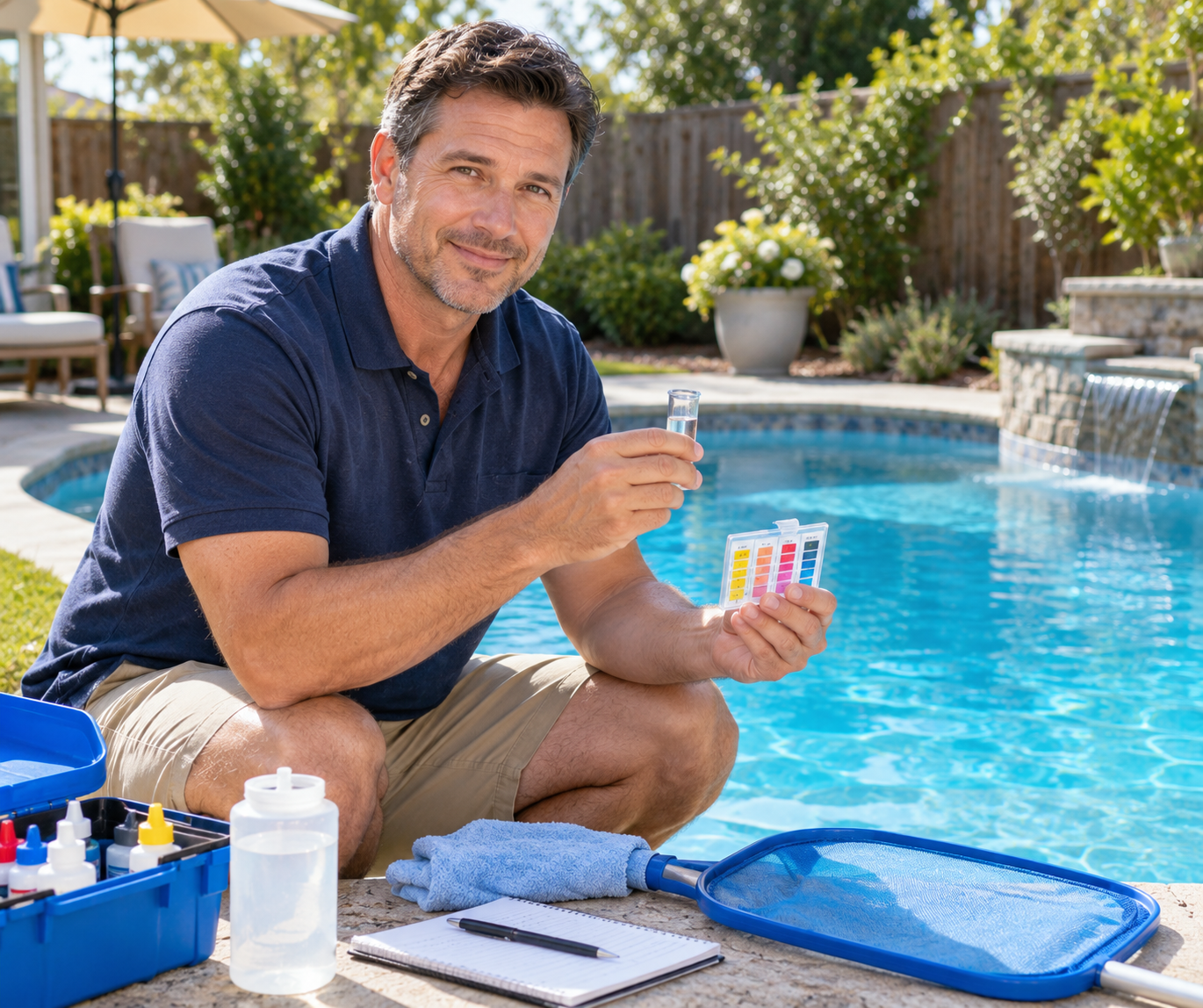

Opening a spa after months of cold weather often reveals trapped grime, stagnant plumbing lines, and mineral deposits clinging to the shell surface. Learning how to clean hot tub after winter ensures that your equipment runs efficiently while preventing skin irritation, cloudy water, and persistent bacterial growth. Whether your tub sat winterized with empty lines or maintained minimal standby heat under a protective spa cover, seasonal transitions demand a thorough cleaning routine. Taking the time to purge old plumbing scale and scrub surface scum sets up a trouble-free soaking season ahead.
A complete spring reopening requires more than simply wiping down the visible shell and turning on the garden hose. Biofilm and body oils easily accumulate deep inside internal jet manifolds, where standard chlorine doses cannot easily penetrate without dedicated line cleaners. Balancing your water chemistry through systematic alkalinity adjustments, calcium level checks, and shock treatments safeguards internal heater elements against corrosive scale. By following a structured cleaning routine before your first long soak, you protect expensive circulation pumps and enjoy crystal-clear water all season long.

Pros
- Absorbs floating lotions and oils to minimize sticky waterline scum lines
- Includes two mesh wash cloths that make rinsing and squeezing out residue simple
- Soft exterior material will not mar or scratch delicate acrylic or vinyl spa walls
- Compact 3.3-inch dimensions remain unobtrusive in the tub during daily soaking
Cons
- Requires regular manual rinsing to prevent sponge saturation and maintain absorption
- Does not eliminate the need for primary sanitizers, shock oxidizers, or filter cleanings
- Small 3.3-inch sponge capacity can fill rapidly in heavily used spas
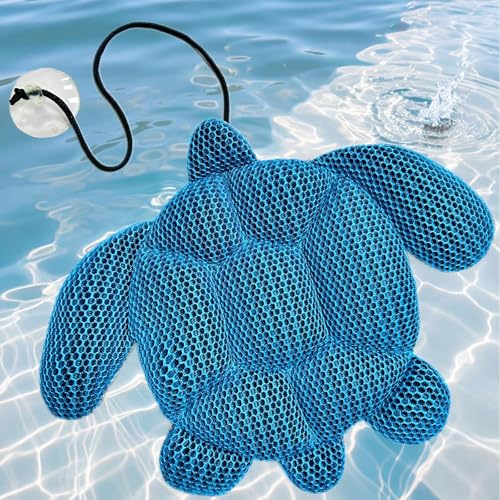
The Tropicaler 2-Pack Turtle Hot Tub Scum Absorber is a floating, oil-absorbing sponge set designed for spa owners who want to reduce waterline grime and surface residue without harsh chemicals. Sized at 3.3 by 3.3 by 1.4 inches, these turtle-shaped absorbers capture common water contaminants such as skin lotions, body oils, and cosmetic film that naturally collect on the surface. They suit hot tub owners, vacation rental operators, and families seeking an easy, low-maintenance accessory to help maintain clear water between standard sanitizer routines.
Surface scum and floating oils are primary contributors to cloudy water and stubborn bathtub rings along hot tub acrylic. When left floating, these residues coat the shell perimeter and accelerate the clogging of cartridge filter pleats. By drifting freely on the surface during low-speed filtration cycles, each sponge draws in oily impurities before they settle against spa components. This passive collection lightens the organic load on your spa filters and helps reduce the time spent scrubbing waterline scum.
Each blue turtle sponge features a soft, porous texture designed to hold trapped oils while remaining gentle against interior tub finishes. The package includes two matching mesh cleaning cloths tailored to protect the sponge structure during hand washing and wringing. With a total package weight under one pound, the sponges remain light enough to maintain proper buoyancy on the water line while capturing floating debris.
Using these scum sponges requires no tools, brackets, or complicated setup. You simply place a turtle sponge directly onto the water surface and allow normal water movement to circulate contaminants toward it. When the sponge shows discoloration or feels saturated with oils, you place it inside an included mesh cloth, rinse it thoroughly under warm tap water, squeeze out the collected oils, and allow it to dry. Rotating between the two included turtles ensures continuous protection without leaving your spa unmonitored.
While passive scum absorbers collect floating oils effectively, they do not replace standard spa sanitizers, water testing, or routine cartridge cleanings. In tubs with heavy bather traffic or substantial cosmetic runoff, the compact 3.3-inch sponges can reach capacity quickly, demanding frequent manual rinsing. Furthermore, turbulent high-speed jets can occasionally pull floating sponges into filter weir gates or skimmer wells, meaning some users may prefer setting them aside while soaking.
The Tropicaler 2-Pack Turtle Scum Absorber is a practical, budget-friendly maintenance aid for spa owners looking to minimize waterline scrubbing and support water clarity. It works best for routine oil collection in residential tubs and swim spas when paired with regular water care. Before purchasing, confirm that a compact floating sponge matches your routine and plan on periodic manual rinsing to ensure continued absorption.
Maintaining the Tropicaler scum sponges requires regular inspection and periodic manual rinsing to prevent trapped oils from re-entering your hot tub water. When a sponge appears discolored or feels heavy, remove it from the spa and slip it inside one of the included mesh cleaning cloths. The mesh cloth encases the sponge to provide structural support while you squeeze and rinse away accumulated lotions and oils.
Rinse the sponge thoroughly under warm running tap water while gently compressing it to release trapped residue. Avoid twisting or wringing the sponge aggressively, as this can degrade the porous foam over time. Once rinsed, allow the sponge to air dry completely before returning it to the spa, or alternate with the second turtle in the pack to maintain continuous oil collection.

Pros
- Combines cleaner, clarifier, and conditioner to reduce the number of separate specialty chemical bottles needed
- Does not require draining the spa, making it practical for cold-weather maintenance when draining is risky
- Compatible with standard chlorine and bromine sanitizing systems
- Helps dislodge hidden oils and line buildup that standard sanitizers alone may struggle to clear
Cons
- Does not replace primary sanitizers such as chlorine or bromine and must be used as a supplement
- Initial treatment can release accumulated plumbing grime, requiring extra filter rinsing and waterline wiping
- At 16 fluid ounces per bottle, owners of larger spas may need frequent reorders for year-round weekly dosing
Oh Yuk 5-in-1 Hot Tub Cleaner, Clarifier, and Conditioner is a multi-purpose liquid water treatment designed to streamline routine spa maintenance without draining the tub. It serves spa owners, rental property operators, and busy households who want to prevent cloudy water and line buildup alongside their regular sanitation routine. Rather than managing separate bottles of clarifier, plumbing line maintenance, and water softeners, this single 16-ounce formulation tackles multiple water quality challenges at once.
In daily hot tub ownership, bather loads introduce body oils, lotions, and organic residues that coat plumbing walls and create dull, cloudy water. This 5-in-1 formula actively suspends and lifts those trapped residues, allowing the built-in clarifier to coagulate fine debris so your filter cartridge can capture it. It also conditions the water to improve overall water feel, making soaks feel noticeably smoother without altering primary sanitizer baselines. Because it works without requiring a water drain, it proves especially valuable during freezing winter months when draining and refilling a spa is inconvenient or hazardous.
A crucial factor in hot tub water chemistry is chemical compatibility, and this product is engineered strictly as a supportive supplement rather than an EPA-registered sanitizer. It is formulated to work seamlessly with standard chlorine or bromine maintenance systems. It will not eliminate the need to test and balance free sanitizer, pH, or total alkalinity. Instead, by neutralizing organic residues and keeping plumbing lines clearer, it helps your primary sanitizer work more efficiently without being consumed prematurely by hidden organic contaminants.
Applying the treatment is straightforward, but users should prepare for the way deep-cleaning additives interact with existing buildup. During the first few doses, especially in older spas or tubs with heavy bather traffic, the formula may purge accumulated oils and residue from the plumbing into the main footwell. Spa owners should anticipate wiping down the waterline with a clean cloth and removing the filter cartridge for a thorough rinse 24 to 48 hours after application to prevent dislodged debris from re-circulating.
While the formula simplifies maintenance, it comes with practical limitations that every hot tub owner should understand. The 16-ounce bottle size provides a compact footprint for spa caddies, but frequent weekly dosing across large multi-person hot tubs means a single bottle may deplete quickly. Furthermore, this maintenance product is not an emergency purge flush intended for complete tub draining, nor will it correct severe chemical imbalances caused by neglected calcium hardness or erratic pH levels.
Oh Yuk 5-in-1 Hot Tub Cleaner is best suited for hot tub owners who want to minimize weekly water care steps and preserve water clarity without dumping their water. Before purchasing, verify your spa sanitation setup to confirm you have an established chlorine or bromine routine in place, and ensure you have spare filter cartridges or cleaning tools ready to handle any dislodged residue from the initial treatment.
Using this 5-in-1 treatment on a weekly schedule helps control the organic film and cosmetic oils that normally accumulate on hot tub acrylic and inside internal jet lines. Regular use prevents stubborn waterline rings from setting, which reduces the need for aggressive scrubbing pads that could scratch spa shell surfaces.
Because the built-in clarifier groups micro-particles together for mechanical removal, filter care is directly tied to the success of this treatment. Hot tub owners should inspect and rinse their pleated filter cartridges with clean water shortly after dosing, as the filter media will trap an increased amount of suspended matter once the clarifier takes effect.
Oh Yuk 5-in-1 is formulated to work in harmony with traditional hot tub sanitizers, specifically standard chlorine and bromine water care regimens. It does not replace residual sanitizers, oxidizers, or shock treatments, meaning regular testing of free available sanitizer levels remains necessary.
Adding this conditioner and clarifier assists in maintaining consistent water chemistry by reducing organic demand on the sanitizer. Always ensure your hot tub water is properly balanced for pH and total alkalinity before introducing specialty water conditioners to achieve the best clarity and water feel.

Pros
- EPA-registered product that is listed as compatible with a wide range of sanitizer systems including bromine, chlorine, ozone, and mineral sticks
- Targets internal plumbing and jet bio-contamination that surface-level cleaning products typically miss
- Simple one-ounce-per-100-gallons weekly dosing keeps the maintenance routine uncomplicated
- Compact and lightweight at just 2 oz and 0.125 lbs, making it easy to store and handle
- May reduce overall sanitizer consumption and extend the useful life of other water-care chemicals
Cons
- The 2 oz bottle is quite small, so owners with larger hot tubs (400+ gallons) will use through the product quickly and may need to reorder frequently
- Not a standalone sanitizer or oxidizer, so buyers still need a primary sanitizer system for safe water care
- Results may vary depending on existing plumbing contamination levels, water chemistry balance, and how consistently the weekly dosing schedule is followed
Hot Tub Serum Total Cleanse Gel is a concentrated weekly maintenance treatment designed to address organic contamination inside hot tub plumbing, jets, and water. It's not a sanitizer or oxidizer - it's an EPA-registered supplemental product that works alongside your existing water-care system. This makes it best suited for hot tub owners who already maintain a sanitizer regimen (bromine, chlorine, ozone, or mineral-based) but want a deeper clean for the internal components that standard chemicals don't always reach effectively.
The core value proposition of Hot Tub Serum Total Cleanse Gel centers on plumbing and jet-line cleanliness. Biofilm and organic buildup inside pipes and jet assemblies are common issues that many hot tub owners don't realize they have until water clarity degrades or sanitizer demand spikes unexpectedly. The product description indicates this gel targets that internal contamination while also working to improve overall water clarity and soften water for better debris separation. For owners who've noticed their sanitizer seems to deplete faster than expected, or who see cloudy water despite balanced chemistry, a product like this may address the underlying cause rather than just the symptoms.
Dosing is straightforward: one ounce per 100 gallons of water, applied weekly. Given that the bottle contains just 2 oz, owners should be aware that this is a relatively small supply. A standard 300-gallon hot tub would use 3 ounces per week, meaning this single bottle wouldn't last through even one full weekly treatment for many common spa sizes. Buyers should factor in ongoing reorder costs and may want to purchase multiple bottles or look for larger quantity options if available. The compact size (listed at 2 x 2 x 2 inches and 0.125 lbs) does make it extremely easy to tuck into a spa-side caddy or chemical storage bin.
One of the more practical benefits listed is the product's potential to increase filtration efficiency. By reducing the organic load circulating through the water, the filter cartridge may not clog as quickly, which can translate to better water flow and potentially longer intervals between deep filter cleanings. This doesn't replace regular filter maintenance - owners should still rinse and inspect their filter cartridges on a normal schedule - but it may ease the burden. The product description also notes that it's designed to protect heater elements and pipe jets, which could help owners avoid premature component failures that lead to expensive repairs.
There are some realistic limitations to consider. This product is explicitly not a sanitizer or oxidizer, so it cannot replace your primary water-care system. Owners still need to maintain proper sanitizer levels, pH balance, and alkalinity independently. Additionally, the effectiveness of any plumbing-cleaning product depends heavily on the starting condition of the spa's internal lines. A hot tub with years of neglected biofilm buildup may need a dedicated purge or flush product before transitioning to a weekly maintenance treatment like this one. First-time users should also verify that their specific water-care setup is compatible, even though the product lists broad compatibility with bromine, chlorine, ozone, enzymes, and mineral sticks.
Hot Tub Serum Total Cleanse Gel may be a good fit for maintenance-focused hot tub owners, vacation-rental operators, and property managers who want to keep internal plumbing clean between water changes without adding complexity to their existing chemical routine. Budget-conscious buyers should note the small bottle size relative to typical spa volumes and plan their purchasing accordingly. Before buying, verify your hot tub's water capacity so you can accurately gauge how many treatments the 2 oz bottle will provide for your specific setup.
Hot Tub Serum Total Cleanse Gel is designed as a weekly-use product with a simple dosing protocol: one ounce per 100 gallons of spa water. This makes it easy to incorporate into an existing maintenance schedule without requiring special tools, mixing, or complicated procedures. Simply measure the appropriate amount based on your spa's water volume and add it directly to the water.
The product is listed as compatible with bromine, chlorine, ozone, enzymes, mineral sticks, and other common hot tub chemicals. However, owners should always verify compatibility with any specialized or proprietary water-care systems they may be using. It's also worth noting that this product addresses internal plumbing and jet contamination, which complements but does not replace surface cleaning, filter cartridge maintenance, or regular water testing and balancing.
For spas that haven't been treated with a plumbing-cleaning product before, some owners may notice initial changes in water clarity or debris as buildup begins to break down. This is a normal part of the cleaning process. Maintaining consistent weekly dosing, as the manufacturer recommends, is likely important for sustained results. Owners who drain and refill their hot tub seasonally should consider whether to continue treatment through the refill cycle for ongoing plumbing protection.


Complete Step-by-Step Process for Cleaning a Hot Tub After Winter
Bringing a hot tub back into prime soaking condition after winter requires tackling hidden contaminants inside the plumbing lines alongside surface grime. Cold weather leaves behind stagnant moisture, pipe scale, and organic residue that can quickly ruin fresh water if skipped during spring startup. Working systematically through electrical checks, line flushes, shell scrubbing, and water balancing restores optimal hydraulic flow and crystal clarity. Taking deliberate steps now prevents recurring chemical frustrations and protects expensive spa hardware through the soaking season.
Inspecting the Cabinet, Foundation, and Electrical Connections First
Before introducing fresh water or switching on circuit breakers, perform a physical inspection around the spa perimeter and equipment bay. Winter freeze and thaw cycles often shift underlying foundation pads or timber framing, placing uneven stress across acrylic shells. Open the cabinet access panel to check for signs of nesting rodents, chewed wiring insulation, or cracked PVC fittings around pump wet ends. Catching damaged plumbing fittings or chewed sensor wires early prevents immediate water leaks and dangerous electrical faults once the system powers up.
National Electrical Code guidelines require maintaining an accessible service disconnect switch at least five feet away from the water edge for immediate power shutoff. Ensure this disconnect remains firmly off while you inspect internal plumbing unions and gate valves inside the equipment compartment. Slice valves should be fully opened and locked in place with safety clips to ensure unobstructed water flow to the circulation pump. Inspect the heater tube barrel unions for hairline fractures caused by residual trapped ice from severe sub-zero cold snaps.
Purging Plumbing Biofilm and Pipe Residue Before Draining
If the hot tub was left running on standby temperature through the winter, treat the existing water with a concentrated line purge before draining. Organic biofilm, body oils, and pipe scale build up inside hidden flexible hoses, creating a slimy protective barrier that routine chlorine cannot eliminate. Adding an EPA-registered cleaning product such as Hot Tub Serum Total Cleanse Gel or a specialized plumbing purge like Oh Yuk 5-in-1 Hot Tub Chemicals, Cleaner breaks down these persistent deposits. Remove cartridge filters first and open all jet diverters completely to allow maximum water velocity through every massage nozzle.
Run the high-speed therapy pumps for twenty to thirty minutes to allow the purge chemical to scrub internal plumbing manifolds. The cleaning formula lifts dark grime, cosmetic oils, and sticky biofilm up to the water surface, creating a distinct foamy ring along the waterline. Let the spa sit for thirty minutes with the power off so cleaning enzymes penetrate stagnant jet lines and heater barrels. Finish with a ten-minute circulation cycle before draining to ensure dislodged pipe contaminants exit the system completely.
Safely Draining Stagnant Water and Flushing Residual Antifreeze
Once the line purge cycle is complete, disconnect main power at the breaker panel before starting the drainage process. Gravity drain valves work steadily, but using a submersible utility pump empties a four-hundred-gallon spa in under thirty minutes. Position the discharge hose away from delicate lawn areas and landscaping, directing runoff toward an approved household drain or sanitary sewer cleanout. Directing chemically treated flush water away from garden beds protects local soil and vegetation from concentrated surfactant residues.
Spas that underwent a complete winter shutdown with non-toxic propylene glycol antifreeze require special handling during drainage. Lingering antifreeze inside low jet cavities must be thoroughly rinsed and vacuumed out before adding new water. Use a wet-dry shop vacuum directly over each jet face, suction fitting, and filter housing inlet to pull pooled liquid out of plumbing channels. Pour several buckets of fresh tap water into the footwell and vacuum a second time to eliminate every trace of old antifreeze.
Deep Cleaning the Acrylic Shell, Jet Nozzles, and Pillows
With the hot tub completely drained, focus on removing scum lines, mineral scale, and grimy film from the acrylic shell. Never use household detergents, abrasive scouring pads, or bleach-based sprays, as these degrade glossy finishes and cause severe foaming later. Instead, use a dedicated spa surface cleaner paired with soft microfiber towels or specialized cleaning cloths. Wipe the entire interior surface thoroughly, paying close attention to textured footwell patterns and recessed seating contours before rinsing.
Mineral deposits and grit frequently settle inside rotating jet assemblies during winter dormancy, preventing them from turning smoothly under hydraulic pressure. Spin each adjustable jet face by hand, gently clicking them out of their housings if your spa uses modular nozzles to rinse grit from bearings. Remove synthetic headrest pillows from the shell to clean trapped mildew and body oils from mounting brackets. Soak the pillows in warm water with a mild cleaner and allow them to air dry out of direct sunlight.
Degreasing and Inspecting Cartridge Filters

Cartridge filters bear the heaviest burden during winter operations, trapping dense oils, organic detritus, and scale particles between their polyester pleats. Simply spraying the cartridge with a garden hose removes loose debris but fails to dissolve deeply embedded body oils and cosmetic waxes. Submerge filter cartridges in a dedicated degreasing solution or enzyme bath for at least twenty-four hours to break down sticky residues. Rinse pleats thoroughly from top to bottom with a targeted filter flosser attachment to dislodge loosened particulate matter.
Carefully inspect the structural condition of each filter cartridge after completing the degreasing rinse. Look for cracked plastic end caps, crushed inner cores, and torn pleat fabrics along seams. Check that the rubber support bands running around the circumference remain intact and evenly spaced to keep pleats separated during operation. Cartridges that have seen more than one to two years of consistent service or exhibit permanently flattened media should be replaced entirely.
Refilling Through the Filter Well to Prevent Air Locks
Refilling a freshly scrubbed hot tub requires a specific technique to avoid one of the most frustrating spring maintenance headaches known as an air lock. Never drop the garden hose directly into the footwell when filling an empty spa with fresh tap water. Instead, place the hose directly down inside the open filter canister standpipe to force water downward through internal plumbing lines first. This filling method pushes trapped atmospheric air outward through lower suction grates and jet orifices as the water level rises.
If you source water from a private well with high mineral content, attach a hose-end pre-filter to sequester excess iron and calcium before filling. Fill the spa until the water line reaches halfway up the skimmer opening or meets the manufacturer level mark on the cabinet wall. Once full, restore electrical power at the main breaker and initiate low-speed circulation to verify proper water movement. If the topside display flashes a flow error or the pump hums without moving water, briefly loosen the pump union nut to bleed trapped air.
Restoring Water Chemistry and Baseline Sanitization
Fresh fill water is rarely balanced right out of the tap and requires systematic chemical adjustments before anyone climbs in to soak. Always test and balance total alkalinity first, aiming for a target range of eighty to one hundred twenty parts per million. Total alkalinity acts as a chemical buffer that stabilizes water against erratic pH swings when sanitizers are added. Once alkalinity is stable, adjust the pH level to fall between 7.2 and 7.8 to ensure optimal bather comfort and prevent corrosion on internal heater elements.
Check calcium hardness next, adjusting the mineral content to remain between one hundred fifty and two hundred fifty parts per million. Soft water draws minerals directly from mechanical seals and heater coils, while excessively hard water causes gritty calcium scale across jet faces. Next, introduce an EPA-registered primary sanitizer such as sodium dichlor granules or establish a bromine reserve using sodium bromide. Maintain a free chlorine residual between three and five parts per million, or three to six parts per million for bromine systems.
Administer an initial shock treatment using non-chlorine potassium monopersulfate or a concentrated chlorine dose to oxidize remaining microscopic impurities. Incorporating an all-in-one weekly treatment like BubbyShine 5-in-1 Weekly Hot Tub Chemicals helps break down complex organics while supporting filter efficiency. Running your filtration cycles for twenty-four continuous hours allows the heater to warm the water up to standard operating temperatures safely. Keep the thermal cover cracked open slightly for the first twenty minutes after shocking to let caustic off-gassing escape without degrading the cover underside.
Deploying Scum Absorbers and Ongoing Biofilm Maintenance
Maintaining sparkling water clarity after a major post-winter cleaning requires ongoing defense against body oils, lotions, and environmental pollen. Tossing a dedicated scum absorber like the 2 Pack Turtle Hot Tub Scum Absorber or the Hot Tub Scum Absorber Hot Tub Sponge into the water creates a passive oil trap. These specialized sponges use porous open-cell fibers and 3D air grid structures to attract oily residues before they coat the acrylic waterline. Removing surface oils significantly reduces chemical demand on your primary sanitizer and extends the life of clean filter cartridges.
Rinse your floating scum absorbers weekly under warm tap water and squeeze them thoroughly inside their included mesh cloths to renew their oil-holding capacity. Pairing passive absorbers with routine maintenance products like Oh Yuk 5-in-1 Hot Tub Chemicals, Cleaner or weekly enzyme clarifiers keeps the waterline pristine. Weekly maintenance prevents the formation of sticky waterline rings that attract airborne spores and bather oils during high-use periods. Consistently monitoring sanitizer levels and skimming loose surface debris ensures that your post-winter deep clean delivers lasting water clarity for months to come.
Reconditioning and Sealing the Thermal Spa Cover
Cleaning the spa shell and plumbing addresses only half of your post-winter reopening checklist, because the thermal cover also requires careful maintenance. Heavy winter snow loads and chemical vapor condensation often leave vinyl covers dirty, mildewed, and susceptible to premature deterioration. Clean both sides of the cover using a gentle, non-foaming vinyl wash and inspect the underside for dark mildew accumulation around the center hinge seal. If your existing cover has become heavy, saturated with water, or structurally bowed, investing in a durable foldable hot tub cover restores lost thermal insulation.
Apply a marine-grade ultraviolet protectant spray across the exterior vinyl surface to prevent cracking, fading, and brittleness caused by sun exposure. Unzip the outer vinyl casing slightly to inspect the inner plastic vapor barrier surrounding the expanded polystyrene foam core. If the vapor barrier remains tight and dry, seal the zippers firmly and ensure all child safety tie-down straps snap securely into cabinet latches. Maintaining a tight perimeter seal with an efficient outdoor patio spa cover locks in heat and keeps seasonal debris from blowing into your freshly sanitized water.
Taking the time to execute a systematic spring reopening protects your investment against costly mechanical failures, unsightly biofilm, and unbalanced water chemistry. Flushing hidden plumbing lines, scrubbing the shell with non-abrasive cleaners, and carefully refilling through the filter well establishes a clean baseline for the entire season. Regularly monitoring sanitizer residuals, total alkalinity, and surface oils will keep your spa inviting and crystal clear for every backyard soak. With proper maintenance habits established early in the year, your hot tub will remain an effortless source of daily relaxation and therapeutic comfort.





Write Your Review
No reviews yet. Be the first to share your experience!