
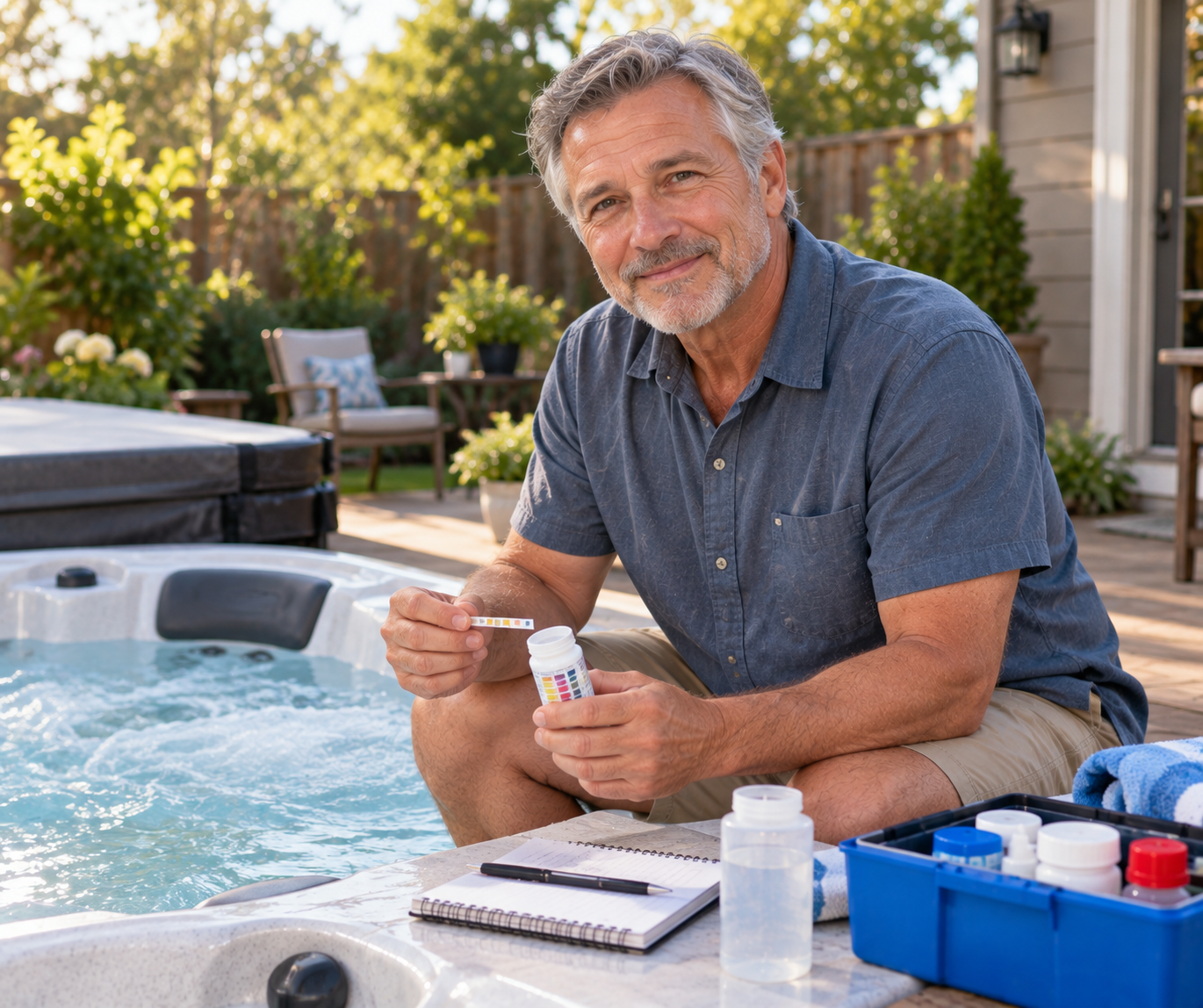

Freezing ambient temperatures and rising steam from a backyard spa create one of the most therapeutic soaking experiences imaginable, but cold weather introduces distinct mechanical and thermal challenges. Sub-zero breezes cause rapid water evaporation, increase standby energy consumption, and heighten the risk of catastrophic pipe freeze damage if equipment maintenance slips. Learning how to use a hot tub in winter requires a practical understanding of thermal retention, balanced sanitization routines, and automated safety systems. Investing in a dense thermal hot tub cover with reinforced insulation is a foundational step toward retaining water heat and keeping energy bills manageable throughout the freezing months.
Managing water chemistry becomes uniquely urgent during winter because complete draining and refilling carries severe risks of plumbing lines freezing mid-process. Keeping your water crystal clear with regular testing, enzyme treatments, and proper sanitizer levels prevents the sudden need for an emergency water dump when temperatures plummet. By establishing a consistent schedule for water balancing, monitoring equipment performance, and preparing safe entry pathways, spa owners can maximize their hydrotherapy benefits without facing unexpected system shutdowns. Combining smart preventative care with proper personal cold-weather soaking habits ensures your hot tub remains a dependable sanctuary all winter long.

Pros
- Absorbs floating lotions and oils to minimize sticky waterline scum lines
- Includes two mesh wash cloths that make rinsing and squeezing out residue simple
- Soft exterior material will not mar or scratch delicate acrylic or vinyl spa walls
- Compact 3.3-inch dimensions remain unobtrusive in the tub during daily soaking
Cons
- Requires regular manual rinsing to prevent sponge saturation and maintain absorption
- Does not eliminate the need for primary sanitizers, shock oxidizers, or filter cleanings
- Small 3.3-inch sponge capacity can fill rapidly in heavily used spas
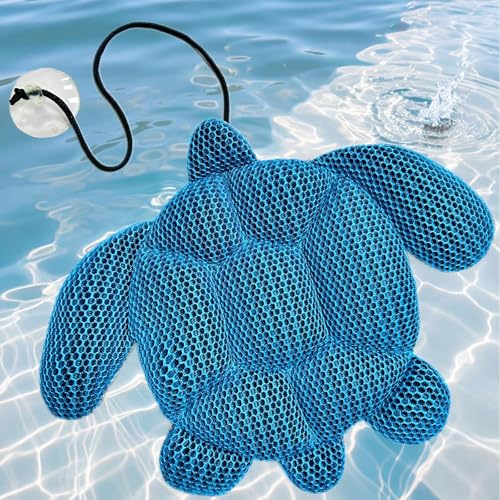
The Tropicaler 2-Pack Turtle Hot Tub Scum Absorber is a floating, oil-absorbing sponge set designed for spa owners who want to reduce waterline grime and surface residue without harsh chemicals. Sized at 3.3 by 3.3 by 1.4 inches, these turtle-shaped absorbers capture common water contaminants such as skin lotions, body oils, and cosmetic film that naturally collect on the surface. They suit hot tub owners, vacation rental operators, and families seeking an easy, low-maintenance accessory to help maintain clear water between standard sanitizer routines.
Surface scum and floating oils are primary contributors to cloudy water and stubborn bathtub rings along hot tub acrylic. When left floating, these residues coat the shell perimeter and accelerate the clogging of cartridge filter pleats. By drifting freely on the surface during low-speed filtration cycles, each sponge draws in oily impurities before they settle against spa components. This passive collection lightens the organic load on your spa filters and helps reduce the time spent scrubbing waterline scum.
Each blue turtle sponge features a soft, porous texture designed to hold trapped oils while remaining gentle against interior tub finishes. The package includes two matching mesh cleaning cloths tailored to protect the sponge structure during hand washing and wringing. With a total package weight under one pound, the sponges remain light enough to maintain proper buoyancy on the water line while capturing floating debris.
Using these scum sponges requires no tools, brackets, or complicated setup. You simply place a turtle sponge directly onto the water surface and allow normal water movement to circulate contaminants toward it. When the sponge shows discoloration or feels saturated with oils, you place it inside an included mesh cloth, rinse it thoroughly under warm tap water, squeeze out the collected oils, and allow it to dry. Rotating between the two included turtles ensures continuous protection without leaving your spa unmonitored.
While passive scum absorbers collect floating oils effectively, they do not replace standard spa sanitizers, water testing, or routine cartridge cleanings. In tubs with heavy bather traffic or substantial cosmetic runoff, the compact 3.3-inch sponges can reach capacity quickly, demanding frequent manual rinsing. Furthermore, turbulent high-speed jets can occasionally pull floating sponges into filter weir gates or skimmer wells, meaning some users may prefer setting them aside while soaking.
The Tropicaler 2-Pack Turtle Scum Absorber is a practical, budget-friendly maintenance aid for spa owners looking to minimize waterline scrubbing and support water clarity. It works best for routine oil collection in residential tubs and swim spas when paired with regular water care. Before purchasing, confirm that a compact floating sponge matches your routine and plan on periodic manual rinsing to ensure continued absorption.
Maintaining the Tropicaler scum sponges requires regular inspection and periodic manual rinsing to prevent trapped oils from re-entering your hot tub water. When a sponge appears discolored or feels heavy, remove it from the spa and slip it inside one of the included mesh cleaning cloths. The mesh cloth encases the sponge to provide structural support while you squeeze and rinse away accumulated lotions and oils.
Rinse the sponge thoroughly under warm running tap water while gently compressing it to release trapped residue. Avoid twisting or wringing the sponge aggressively, as this can degrade the porous foam over time. Once rinsed, allow the sponge to air dry completely before returning it to the spa, or alternate with the second turtle in the pack to maintain continuous oil collection.



Pros
- Coagulates micro-particles so standard spa cartridge filters can trap fine debris
- Designed to clarify cloudy water without altering overall pH balance
- Simple application procedure using active spa jets for rapid circulation
- Compact 1-pint bottle is easy to store alongside routine hot tub chemicals
Cons
- Requires a clean, functioning filter cartridge to physically remove the clumped debris
- Over-dosing can lead to temporary haziness, requiring careful measurement based on spa gallon capacity
- Does not replace primary sanitizers or shock treatments for bacteria and heavy organic buildup
AquaDoc Hot Tub Clarifier is a concentrated liquid treatment designed to clear cloudy water and support routine cartridge filtration. It best suits hot tub owners, vacation rental hosts, and busy homeowners who experience dull or hazy water resulting from bather load, body lotions, or fine airborne debris. Instead of waiting for microscopic suspended solids to slowly cycle out through standard circulation, this formula acts as a coagulant to bundle tiny particles together so spa filters can trap them efficiently.
Microscopic dirt particles are frequently smaller than the micron rating of standard hot tub cartridge filters, allowing them to bypass filter pleats and keep the water looking hazy. AquaDoc works by attracting these micro-particles like a magnet, creating larger agglomerations that the filter media can physically catch. Running spa jets and blowers during application accelerates circulation, allowing the treatment to disperse evenly throughout the tub and push debris toward the skimmer intake.
Maintaining water balance is a central part of spa ownership, and chemical additions that swing pH can trigger scale or skin irritation. This clarifier is formulated to clear water without upsetting established pH levels, which helps avoid cascading chemical adjustments. By pulling floating debris out of suspension, it helps cartridge filters capture dirt effectively, though regular filter rinsing remains essential to flush away the collected material.
Applying the clarifier fits easily into weekly spa care routines without complicated steps. The manufacturer directions suggest adding 2 ounces for every 800 gallons of water while the jets or blowers are active, continuing filtration until the water turns clear. For standard residential tubs, which often hold between 300 and 450 gallons, measuring out roughly 1 ounce twice a week provides consistent water maintenance without over-treating.
While clarifiers improve mechanical filtration, they are not a substitute for proper sanitizer levels, oxidizers, or routine filter cleaning. If a hot tub filter cartridge is already loaded with oils or scale, adding a clarifier will yield limited results until the filter is thoroughly rinsed or degreased. Additionally, overdosing clarifier can have an inverted effect, where excess polymers temporarily cloud the water, making accurate measurement essential.
AquaDoc Hot Tub Clarifier is a reliable, practical addition to any spa chemical cabinet for clearing minor haziness and supporting regular filtration. Before adding it to your spa, verify your water sanitizer levels, test baseline pH, and inspect your cartridge filter to ensure it is clean and ready to trap the gathered particles. Hot tub owners looking for a low-fuss way to preserve water clarity between water changes will find good everyday value here.
Using AquaDoc Hot Tub Clarifier effectively requires basic attention to spa capacity and filtration cycles. The listed dosage is 2 ounces for every 800 gallons of water, meaning most typical residential hot tubs holding 350 to 400 gallons require approximately 1 ounce per application. Adding the measured dose twice weekly with the circulation jets running ensures thorough dispersion across the entire spa shell.
Because the clarifier works by grouping tiny particles into larger debris, your spa filter cartridge does the physical work of removing the cloudiness from the water. Running the filtration cycle until the water clears is essential, followed by a quick garden-hose rinse of the filter pleats to prevent the trapped coagulants from restricting water flow.

Pros
- Contains all four foundational water-balancing chemicals plus 50 test strips in one package
- Compatible with acrylic, inflatable, and wooden spas across chlorine, bromine, and salt systems
- Helps prevent cloudy water, foaming, mineral scale, and heater corrosion caused by imbalanced water
- Manufactured in the USA with reliable, fast-dissolving water-care formulas
Cons
- Does not include primary sanitizers such as chlorine or bromine granules, which must be purchased separately
- Source water with extreme hardness or alkalinity may deplete specific individual bottles faster than the rest of the kit
- Requires careful incremental dosing and testing rather than one-size-fits-all application
The Bio Ouster Hot Tub Water Balancing Kit is an all-in-one water adjustment bundle designed for acrylic, inflatable, and wooden hot tubs. Proper water balance is critical for preventing mineral scale, heater corrosion, and bather discomfort, making this starter collection well suited for new spa owners, seasonal refills, and vacation rental hosts who need foundational water-care essentials in a single convenient package.
Maintaining balanced water chemistry requires managing several interconnected parameters, which this kit addresses through dedicated pH Up, pH Down, Alkalinity Increaser, and Calcium Hardness Increaser formulas. By adjusting total alkalinity first to buffer pH fluctuations, and raising calcium levels to protect internal spa plumbing and heating elements, hot tub owners can maintain clear water and protect their equipment investments.
Routine monitoring is supported by the 50 included test strips, which allow quick checks of pH, total alkalinity, and calcium hardness levels before adding any adjustment chemicals. The formulas are designed to work alongside standard sanitizing systems, including chlorine, bromine, ozone, and salt water configurations, without interfering with filtration systems or causing unwanted cloudy precipitation when added properly.
Integrating this kit into a routine hot tub maintenance schedule requires testing freshly filled or top-off water before adding chemicals in gradual increments. Because chemical demand varies depending on municipal tap water characteristics, tub volume, and bather load, spa owners should add adjustments incrementally with the water jets running to ensure thorough circulation and avoid overshooting targets.
A practical limitation to keep in mind is that this bundle is strictly a water-balancing kit and does not contain primary sanitizers such as chlorine or bromine. Additionally, owners with particularly hard or soft source water may find that one specific chemical depletes faster than the others, eventually requiring individual bottle replacements down the road.
Hot tub owners seeking a straightforward, Made-in-USA foundational chemistry package will find practical everyday value in the Bio Ouster water balancing starter kit. Before purchasing, ensure you have your preferred sanitizer on hand and plan to test your tap water before initial dosing to establish an accurate chemical baseline for your spa volume.
Proper water balancing begins with testing total alkalinity, which serves as the chemical buffer that stabilizes pH levels in your spa water. Using the included test strips, hot tub owners should adjust total alkalinity into the recommended range before fine-tuning pH with either pH Up or pH Down to prevent rapid chemical bounce.
Calcium Hardness Increaser is included to ensure water does not become aggressive or corrosive toward spa heating elements, pump seals, and plumbing fixtures. This is particularly relevant for owners in soft-water areas or those filling spas using whole-house water-softener systems where low calcium levels can accelerate metallic component wear.
The formulas are chemically neutral relative to sanitizers, meaning they can be used safely in spas treated with standard chlorine granules, bromine tablets, saltwater chlorination systems, or ozone generators. Always allow chemicals to circulate for at least twenty to thirty minutes before re-testing water or adding secondary treatment products.

Winter Hot Tub Operation, Water Chemistry, and Cold Weather Maintenance
Soaking in a hot tub surrounded by winter snow offers unmatched relaxation, yet freezing temperatures alter how spa equipment and water chemistry function. Cold ambient air accelerates heat loss when the cover opens, strains circulation components, and creates serious freeze hazards if maintenance slips. Successfully operating a spa through freezing weather requires disciplined water balancing, dependable cover sealing, and proactive equipment monitoring. Understanding these operational principles protects your investment and ensures comfortable winter hydrotherapy all season long.
Preparing Water Chemistry Before the Hard Freeze
Performing a complete water drain and refill before winter temperatures drop below freezing is the foundation of cold-weather maintenance. Draining a spa during sub-zero weather is hazardous because residual water inside plumbing manifolds and pump wet ends can freeze within minutes. Refilling in late autumn gives you fresh water with low dissolved solids, making water balance far simpler during the winter months. You should also thoroughly clean or replace your pleated filter cartridges to ensure unrestricted circulation during heavy heating cycles.
Stabilizing foundational chemical parameters immediately after refilling creates a stable baseline that resists erratic pH swings. The Bio Ouster Hot Tub Water Balancing Kit supplies essential adjustment chemicals including pH Up, pH Down, Alkalinity Increaser, and Calcium Hardness Increaser alongside accurate test strips. Total alkalinity must be adjusted first to eighty to one hundred twenty parts per million to buffer against rapid acidity changes. Once alkalinity stabilizes, dialing pH into the seven point two to seven point eight range prevents both equipment corrosion and cloudy mineral scaling.
Setting calcium hardness between one hundred fifty and two hundred fifty parts per million protects your acrylic shell and internal heaters from corrosive water. Testing the water twice each week allows you to catch minor chemical drift before it leads to persistent cloudiness. Spa owners often neglect testing in cold weather because stepping outside is uncomfortable, but testing takes only seconds. Establishing balanced water before freezing weather arrives prevents the difficult scenario of needing an emergency water dump during an ice storm.
Maintaining Water Clarity and Reducing Contaminant Buildup
Winter soaks introduce higher bather loads because heavy winter moisturizers and body oils wash off into hot water. These organic contaminants deplete sanitizer residuals rapidly, creating hazy water and sticky scum lines along the acrylic perimeter. Floating absorbers like the 2 Pack Turtle Hot Tub Scum Absorber capture surface oils, lotions, and grime before they reach your filter cartridges. Its reusable construction and included mesh cleaning cloths make routine rinsing easy, supporting continuous surface cleaning throughout the winter.
Adding an alternative mechanical sponge like the Hot Tub Scum Absorber Hot Tub Sponge provides secondary filtration with its three-dimensional air grid mesh. This sponge offers dual floating and sinking modes to capture suspended cosmetic residues without scratching delicate acrylic surfaces. Absorbing surface oils mechanically reduces the strain on your circulation pump, extending water freshness without requiring a drain. Taking a quick warm shower before soaking also minimizes organic contaminants, giving your filtration system a helpful advantage in freezing conditions.
Supplementing sponges with chemical clarifying agents helps remove microscopic particles that standard filters cannot trap alone. Formulations like AquaDoc Hot Tub Clarifier coagulate tiny impurities into larger clusters so pleated filter fibers can trap them effectively. Adding a standard maintenance dose while running jets quickly clears cloudy water while extending overall filter life. Clean water ensures efficient heat transfer from heating elements and prevents organic residue from settling in plumbing lines.
Weekly Conditioning and Enzyme Maintenance Routines
Routine water treatments are essential in cold weather when draining is impractical, making multi-benefit conditioners especially valuable. Using 5-in-1 Hot Tub Weekly Care simplifies ongoing maintenance by combining clarifiers and conditioners in pre-measured pouches. This treatment manages organic residue and gunk while supporting soft, comfortable water that prevents winter skin irritation. Because it works across chlorine, bromine, and jetted acrylic systems, owners can treat their spa quickly without handling multiple bottles in freezing air.
Enzyme-based water cleaners provide another reliable way to break down non-living organic waste without creating harsh fumes. The BubbyShine 5-in-1 Weekly Hot Tub Chemicals formula uses natural enzymes to digest oils and grime between seasonal deep cleanings. Adding one capful per five hundred gallons and running the jets for fifteen minutes prevents organic sludge from coating internal plumbing. Its bulk three-liter jug provides lasting value, ensuring dependable clarifying and conditioning support all winter long.
Persistent foaming is a frequent winter issue caused by laundry detergents trapped in bathing suits and elevated bather waste. Applying Adios! 3-in-1 Hot Tub Cleaner Clarifies Water targets the underlying causes of foam rather than temporarily masking bubbles with silicone defoamers. This pH-neutral formula dissolves skin particles and shampoo residue, restoring clarity without irritating sensitive skin. Because it does not alter water balance, bathers can safely enjoy the hot tub immediately after application.
Protecting Thermal Efficiency and Managing the Cover Seal
The spa cover is your primary defense against standby heat loss, accounting for most thermal dissipation during freezing weather. A waterlogged cover loses its insulating capability, forcing electric heaters to run continuously and driving up monthly utility bills. Inspecting the vinyl exterior, vapor barrier, and center hinge seal before winter ensures warm air cannot escape into freezing breezes. Choosing a durable heavy duty spa cover provides a tight perimeter seal that preserves heat even in sub-zero climates.
Snow management on your cover requires careful attention to avoid damaging the internal tapered foam core. Heavy snow accumulation can exceed structural weight limits and crack the internal expanded polystyrene cores. Use a soft-bristled broom or gloved hands to clear snow gently, avoiding metal shovels that can puncture marine-grade vinyl. If freezing rain glazes the cover shut, pour lukewarm water along the seam rather than prying the skirt with sharp tools.
Placing a floating thermal blanket directly on the water surface provides an effective secondary barrier against evaporation. Floating foam blankets shield the cover underside from chemical steam, extending the lifespan of the primary vapor barrier. Pairing this with a sturdy foldable insulated cover secured by locking tie-down straps prevents strong winter winds from lifting the skirt. Fastening all straps securely eliminates drafty air gaps that cause rapid temperature drops and high energy consumption.
Temperature Regulation, Power Settings, and Freeze Protection Controls
Selecting the right temperature setting balances personal soaking comfort with overall equipment efficiency throughout the winter. Most manufacturers recommend maintaining a steady baseline temperature between one hundred and one hundred two degrees Fahrenheit, never exceeding one hundred four degrees. Lowering the thermostat significantly between soaks might seem economical, but reheating hundreds of gallons of cold water consumes massive energy. Maintaining a consistent temperature places far less strain on heating elements and keeps the spa ready for spontaneous use.
Owners using plug-and-play spas on standard 110-volt or 120-volt fifteen-amp circuits face specific operational limits during freezing weather. Most 110-volt control systems cannot run the electric heater and high-speed jet pump simultaneously. In freezing outdoor air, running high-speed hydrotherapy jets on a 110-volt spa can cause water temperature to drop within fifteen minutes. Converting your system to a dedicated 230-volt forty-to-fifty-amp line allows simultaneous heating and high-speed jet operation, maintaining stable warmth in extreme cold.
Modern hot tubs feature automated freeze protection safeguards that run circulation pumps whenever cabinet sensors detect temperatures near freezing. Circulating water continuously pushes warmth through exposed plumbing manifolds and filter housings, preventing ice formation in narrow lines. Never switch your control pack to economy or rest modes that restrict heating cycles to brief time windows during sub-zero weather. Leaving the system in standard ready mode ensures regular circulation and keeps critical mechanical parts warm.
Safe Soaking Protocols and Hypothermia Prevention in Freezing Air
Soaking in hot water while surrounded by freezing air is deeply relaxing, but the extreme temperature contrast requires sensible soaking habits. Immersing yourself in hot water elevates core body temperature quickly, while exposed skin on your head and neck cools rapidly. Limit winter soaking sessions to fifteen or twenty minutes to prevent lightheadedness, dehydration, and rapid blood pressure shifts. Wearing a warm knit beanie keeps your head insulated and prevents uncomfortable convective heat loss while soaking.
Maintaining proper hydration is just as important during winter spa sessions as it is in the summer. Soaking in hot water stimulates perspiration, meaning you lose body fluids even while surrounded by cold air. Keep an insulated bottle of room-temperature water or warm tea nearby, avoiding cold beverages that shock your stomach. Avoid alcohol before or during your soak, as it accelerates dehydration, impairs balance, and increases slipping hazards on icy surfaces.
Prepare your exit routine before stepping into the spa by keeping winter essentials close at hand. Place thick fleece robes, dry towels, and slip-resistant outdoor slippers inside a covered, dry storage tote near the spa steps. Stepping onto freezing deck boards with bare, wet feet can cause skin sticking and dangerous slips on ice. Wrapping yourself in warm gear immediately upon exiting allows your body to transition comfortably back into freezing ambient air.
Managing Snow Accumulation and Site Access Around the Spa
Maintaining a clear, slip-free walking route between your back door and the spa is vital for safe winter use. Shovel snow promptly after storms and spread pet-safe calcium magnesium acetate ice melt instead of abrasive rock salt. Standard rock salt damages outdoor decking, corrodes cabinet hardware, and degrades water chemistry if tracked into the tub. Laying rubber runner mats along the cleared pathway provides reliable footing, keeping bathers safe from hidden ice patches.
The perimeter around your hot tub cabinet must remain clear of deep snowdrifts to ensure proper ventilation and equipment access. Heavy snow banks can block cabinet louver vents, trapping moisture inside and interfering with pump motor cooling fans. In addition, technicians and homeowners require immediate, unobstructed access to the service panel and the external GFCI disconnect switch. Clearing at least two feet of snow around the entire cabinet protects internal components and keeps maintenance access open.
Inspect the area directly above your hot tub for hanging icicles and heavy snow accumulation on roof gutters or pergolas. Water dripping from clogged gutters can freeze along the cover edges, damaging vinyl seams and putting stress on hinge gaskets. Falling icicles also present an acute hazard to bathers and can easily puncture a vinyl cover. Clearing roof ice with an extension tool before using the tub eliminates hazards and preserves your equipment.
Emergency Procedures for Winter Power Outages and Equipment Errors
Extended winter power outages and equipment error codes pose serious freeze risks for outdoor hot tubs. A well-insulated hot tub with a tightly sealed cover can retain sufficient heat to resist freezing for twenty-four to forty-eight hours. The most important step during an outage is keeping the cover firmly closed and strapped down. Opening the cover releases vital radiant heat, accelerating the rate at which water temperature drops in sub-zero air.
If a power outage or topside flow error continues past twenty-four hours in extreme cold, supplemental cabinet heat becomes necessary. Placing a small ceramic space heater or an incandescent trouble light safely inside the equipment compartment provides localized warmth for pumps and plumbing. Keep any supplemental heater positioned safely away from wiring, plastic tubing, and cabinet insulation, and never use open flames. Powering a cabinet heater with a portable generator can prevent frozen pipes until primary electrical power returns.
When a prolonged outage threatens freeze damage and no backup power exists, an emergency water drain is the final safeguard. Gravity draining alone is insufficient because water remains trapped inside pump volutes, heater manifolds, and lower jet lines. Use a wet-dry vacuum on every jet opening and drain fitting to blow trapped water out of internal lines. Loosening pump unions and opening drain plugs evacuates pump wet ends, allowing any remaining moisture to expand safely without cracking equipment.
Using your hot tub throughout the winter provides deeply restorative hydrotherapy when managed with proper seasonal care. Maintaining balanced water chemistry, using mechanical scum sponges and weekly enzyme conditioners, and protecting cover insulation prevent cold-weather breakdowns. Regular equipment monitoring and disciplined safety habits ensure your spa operates reliably through freezing conditions. With proper winter protocols in place, your backyard spa remains a dependable, comforting retreat throughout the coldest months.





Write Your Review
No reviews yet. Be the first to share your experience!