
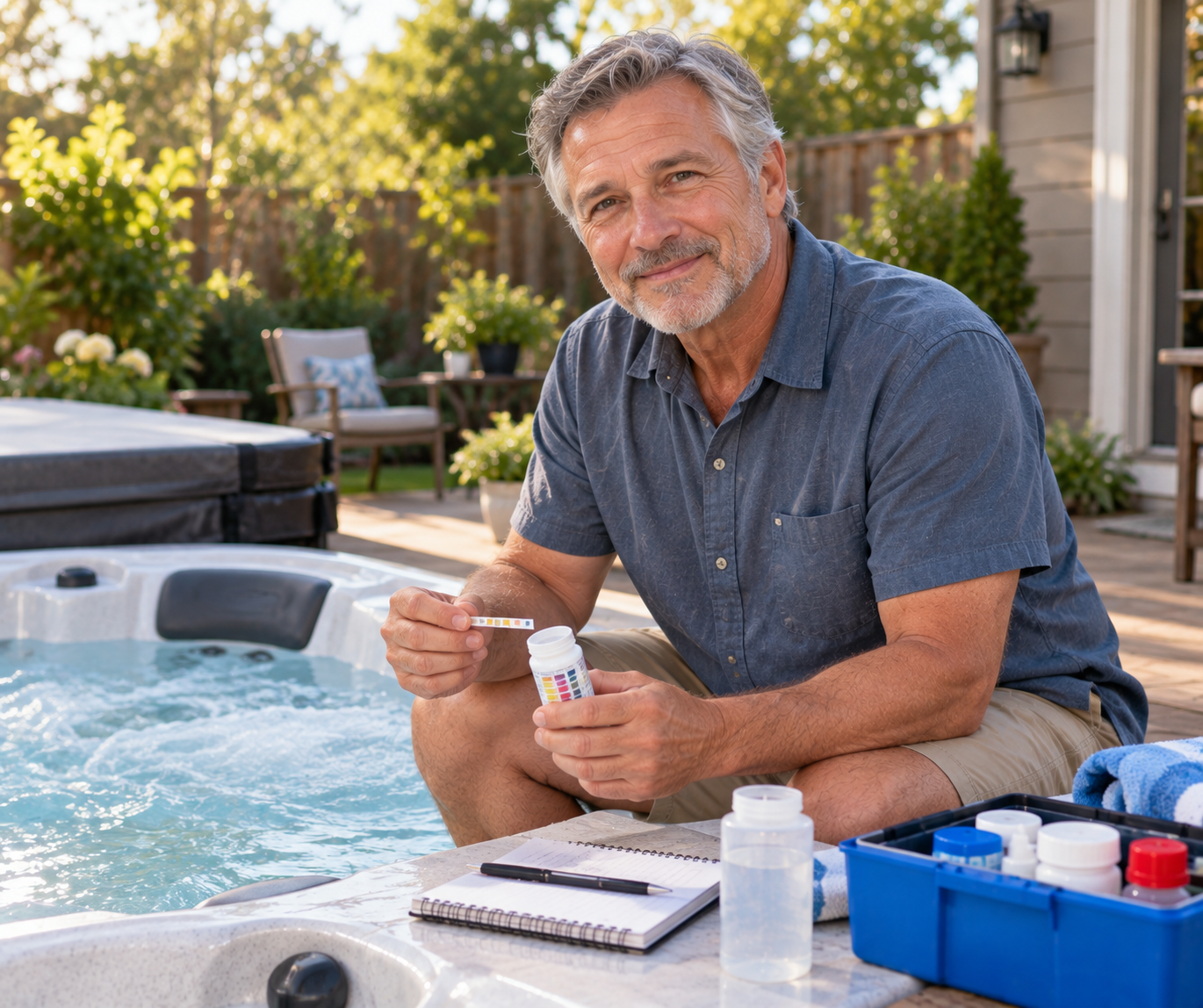

Stepping into a swirling basin of steaming water delivers an immediate wave of relaxation that melts away physical tension and mental fatigue. Hydrotherapy stimulates peripheral blood circulation, opens up pores, and temporarily eases tight muscles after a demanding workday. However, many spa owners quickly wonder whether daily soaking helps or damages their complexion, prompting the question of whether an is hot tub good for your skin routine is actually beneficial. When bathers spend extended periods submerged in heated water, the interaction between thermal exposure, sanitizing agents, and the delicate dermal barrier creates complex reactions that require careful attention.
The honest answer depends almost entirely on how meticulously you balance your water chemistry, regulate water temperature, and care for your dermal barrier before and after every session. Clean spa water with stable pH levels can refresh the body, but poorly maintained water or excessive soaking times will rapidly strip away natural oils and leave your skin parched, itchy, or inflamed. Protecting your water quality with a yard patio hot tub cover keeps organic debris and outdoor contaminants from destabilizing sanitizer levels. Understanding the delicate balance between warm hydrotherapy and dermal hydration helps you enjoy the therapeutic benefits of your home spa while keeping your skin calm, smooth, and resilient.

The Science of Hydrotherapy: How Hot Tub Soaking Affects Your Skin
Warm water immersion fundamentally alters the physiology of human skin within minutes of stepping into a spa. Vasodilation widens peripheral blood vessels, which increases oxygen delivery to dermal tissue while steam softens the outer stratum corneum. Whether this thermal immersion translates into glowing skin or painful irritation depends on how well you manage temperature, immersion duration, and water sanitization. By looking closely at dermatological mechanisms and water chemistry dynamics, you can maximize hydrotherapy benefits while shielding your skin from dehydration and chemical irritation.
The Physiological Skin Benefits of Warm Water Hydrotherapy
Submerging your body in warm water between 100 degrees and 102 degrees Fahrenheit produces immediate circulatory responses that support cellular rejuvenation. Enhanced blood flow transports vital nutrients and oxygen directly to surface capillaries, promoting cellular repair and giving the skin a healthy, natural flush. The rising steam surrounding the spa gently opens facial pores and softens trapped sebum, making it easier for superficial dead skin cells to slough away naturally. Many bathers notice that regular hydrotherapy sessions temporarily improve skin texture and elasticity by stimulating natural microcirculation throughout the dermis.
Thermal soaking also plays an indirect role in skin health by substantially lowering systemic cortisol levels. Elevated stress hormones frequently trigger severe inflammatory flare-ups, aggravating chronic skin conditions like acne, psoriasis, and atopic dermatitis. When the soothing buoyancy and warmth of hydrotherapy alleviate central nervous system stress, systemic inflammation naturally recedes throughout the body. While a hot tub cannot cure an underlying dermatological illness, the relaxation response creates a physiological environment that supports overall skin recovery and barrier maintenance.
When Hot Water Compromises the Skin Moisture Barrier
Despite the circulatory benefits, sustained exposure to high water temperatures can rapidly compromise the integrity of the stratum corneum. Human skin relies on a lipid matrix composed of ceramides, cholesterol, and free fatty acids to lock in moisture and repel environmental irritants. Water heated to 104 degrees Fahrenheit acts as a mild solvent, breaking down and dissolving these essential natural oils within fifteen to twenty minutes of continuous immersion. Once this natural lipid shield dissolves, moisture escapes rapidly into the surrounding environment through transepidermal water loss.
Extended soaking sessions also cause the superficial keratin protein layers of the skin to over-hydrate and swell, a phenomenon commonly recognized as prune fingers. While this swelling looks harmless, it temporarily weakens intercellular bonds, leaving the epidermis vulnerable to friction and microscopic tears. Once bathers exit the spa and encounter cool, dry air, the water held in the outer dermal layers evaporates rapidly, pulling deeper moisture along with it. This rapid moisture depletion frequently causes tight, flaky skin, persistent itching, and post-soak flare-ups among individuals with naturally dry skin types.
Critical Water Chemistry Parameters That Dictate Skin Health
Water balance plays an even greater role in skin comfort than water temperature because chemical imbalances directly attack dermal tissues. Human skin operates with a slightly acidic natural acid mantle that maintains a pH range between 4.5 and 5.5 to suppress harmful bacteria. In contrast, residential hot tubs require a balanced pH range between 7.2 and 7.8 to maintain sanitizer efficiency and prevent equipment corrosion. When spa pH climbs above 7.8, the alkaline water strips away protective sebum, leading to chalky residue, acute dryness, and persistent itching across the body.
Total alkalinity serves as the essential buffering agent that stabilizes water pH, with recommended targets set between 80 and 120 parts per million. When total alkalinity drops below 80 ppm, pH levels fluctuate wildly, creating erratic spikes between overly acidic water and harsh alkaline conditions that irritate sensitive skin. Maintaining proper sanitizer levels of 3 to 5 ppm for free chlorine or bromine is equally crucial for microbial defense. Inadequate sanitization allows bacteria to flourish, while excessive chemical dosing burns sensitive mucous membranes and leaves the skin feeling severely dehydrated.
The Hidden Menace of Chloramines and Chemical Byproducts
Many bathers mistakenly blame free chlorine for strong chemical smells and red, burning skin, but combined chlorine compounds called chloramines are usually the true culprit. Chloramines form when free chlorine oxidizes organic nitrogen compounds introduced by bathers, such as sweat, dead skin cells, urine, and cosmetic residues. These volatile byproducts lack effective sanitizing power, yet they off-gas aggressively from hot water and cause severe eye irritation, contact dermatitis, and respiratory sensitivity. When your spa produces a harsh chemical odor, the water actually needs a non-chlorine shock oxidation treatment rather than fresh sanitizing tablets.
Bromine sanitization systems produce comparable combined byproducts known as bromamines, which remain somewhat more stable than chloramines but can still trigger localized skin sensitivity over time. Routine testing with reliable chemical test strips or liquid drop kits ensures that total sanitizer levels do not significantly exceed free sanitizer levels. Regular weekly shock treatments destroy combined oxidizers, restoring crystal-clear water clarity and preventing chemical rash. Keeping your spa water thoroughly oxidized ensures that bather contact remains gentle on the skin while preserving broad-spectrum microbial control.
Hot Tub Folliculitis and Bacterial Contamination Risks
Hot tub folliculitis represents the most common infectious skin condition associated with recreational spa use. This condition is caused by Pseudomonas aeruginosa, an opportunistic bacterium that thrives in warm, agitated water when sanitizer levels fall below minimum safety thresholds. The bacterium penetrates individual hair follicles on submerged skin, producing clusters of red, itchy, tender bumps that closely resemble an acute acne breakout. These uncomfortable pustules typically manifest within forty-eight hours after soaking and frequently appear under snug swimsuit areas where moist fabric traps bacteria against dermal pores.
Preventing bacterial folliculitis requires maintaining continuous biocide residuals and preventing organic accumulation inside plumbing manifolds. Dirty pleated filter cartridges can quickly become breeding grounds for bacterial biofilms if they are not rinsed weekly and degreased every few months. Installing an insulated hot tub cover with a warranty helps safeguard the water by preventing airborne debris, insects, and rainwater from entering the basin and depleting sanitizer reserves. If an outbreak of folliculitis occurs, the spa must be treated with an aggressive chlorine shock, purged with a dedicated plumbing cleaner, and drained completely before safe refilling.
Choosing Safe Spa Fragrances and Aromatherapy Additives
Bathers often seek to enhance their soaking experience with pleasant scents and moisturizing additives, but dumping household bath products into a hot tub creates serious hazards. Traditional bubble baths, Epsom salts, and drugstore essential oils are entirely incompatible with closed-loop hot tub plumbing and filtration systems. Heavy oils coat pleated filter cartridges, choke water circulation, trigger intense foaming, and form greasy scum rings along the acrylic shell. These sticky organic films trap bacteria, rapidly deplete sanitizer residuals, and end up clinging to bathers, causing clogged pores and irritated skin.
Specialized spa aromatherapy formulas provide a safe alternative designed to moisturize the skin without compromising water quality or mechanical components. Formulations such as the Hot Tub Aromatherapy Scents 24 Pack from STAR SPLASH use concentrated, water-soluble liquids that dissolve completely without leaving oily residue. These specialized packets contain no parabens, artificial colors, phthalates, or formaldehyde, ensuring that bathers with sensitive skin can enjoy soothing botanical scents without triggering contact dermatitis. By choosing clean-dissolving aromas like relaxing lavender, eucalyptus mint, or green tea matcha, owners can elevate sensory relaxation while keeping spa filters and water chemistry pristine.
Practical Soak Hygiene: Pre-Soak and Post-Soak Protocols
Establishing a structured bathing routine before and after you enter the water is the most effective way to safeguard your skin. Rinsing thoroughly in a warm shower prior to soaking washes away residual body lotions, deodorant, perfume, and laundry detergent left on swimsuits. Removing these cosmetic films prevents them from reacting with free chlorine, thereby stopping the formation of irritating chloramines before they can start. A quick pre-rinse also removes superficial dirt, keeping the water cleaner and reducing the overall chemical demand needed to maintain sanitation.
Once you finish your soak, immediately exit the tub and take a brief, lukewarm shower using a gentle, fragrance-free body cleanser. This vital post-soak rinse removes residual sanitizers, dead skin cells, and dissolved solids before they can dry into a tight, irritating film on your body. Gently pat your skin dry with a soft towel rather than rubbing aggressively, leaving the dermal surface slightly damp. Within three minutes of drying, apply a generous layer of ceramide-rich moisturizer or body lotion to lock in hydration and rebuild the lipid barrier that the warm water temporarily depleted.
Managing Sensitive Skin, Eczema, and Allergic Tendencies
Individuals living with atopic dermatitis, eczema, or sensitive skin require special precautions to enjoy warm water hydrotherapy without triggering severe flare-ups. Lowering the water heater setpoint from 104 degrees down to 98 or 100 degrees Fahrenheit substantially decreases thermal stress on delicate dermal tissues. Shorter soaking sessions lasting between ten and fifteen minutes allow the body to experience hydrotherapeutic relief without completely washing away protective sebum. Keeping a close eye on free sanitizer levels ensures that water remains germ-free without exposing compromised skin to excessive chlorine concentrations.
Some spa owners discover that switching from a traditional chlorine regimen to a bromine or mineral-assisted sanitization system provides a gentler soaking environment. Mineral purifiers containing silver and copper ions, along with supplemental ozone or UV-C chambers, destroy contaminants continuously and allow owners to maintain lower baseline chemical levels. However, supplemental systems can never replace primary EPA-registered biocides entirely, because residual sanitizers remain necessary to eliminate pathogens introduced directly by bathers. Pairing low-level residual sanitizers with gentle, non-chlorine oxidizers creates a balanced environment that respects sensitive skin barriers while guaranteeing microbial safety.
Protecting Water Purity and Maintaining Optimal Skin Comfort
Long-term skin comfort is directly linked to the physical cleanliness and thermal management of your entire hot tub installation. Outdoor spas constantly face exposure to airborne dust, tree sap, and falling leaves that break down into organic contaminants and consume active sanitizers. Utilizing a durable foldable thermal spa cover forms an impermeable barrier against external pollutants while preventing valuable heat from dissipating into cold night air. When environmental contaminants are locked out of the spa, chemical sanitizers remain stable, pH levels drift less frequently, and the water stays significantly gentler on human skin.
Regular water maintenance practices, including draining and refilling the spa every three to four months, prevent total dissolved solids from accumulating to levels that cause skin irritation. When you balance alkalinity, maintain precise sanitizer residuals, and adhere to sensible soak durations, warm hydrotherapy transforms into a restorative wellness ritual rather than a source of dry, itchy skin. Enjoying the physical and mental relief of a hot tub soak comes down to respecting the relationship between dermal hydration and clean water chemistry. With proper preparation, clean additives, and nourishing post-soak skincare, your home spa can remain an inviting sanctuary for your body and your complexion.





Write Your Review
No reviews yet. Be the first to share your experience!