
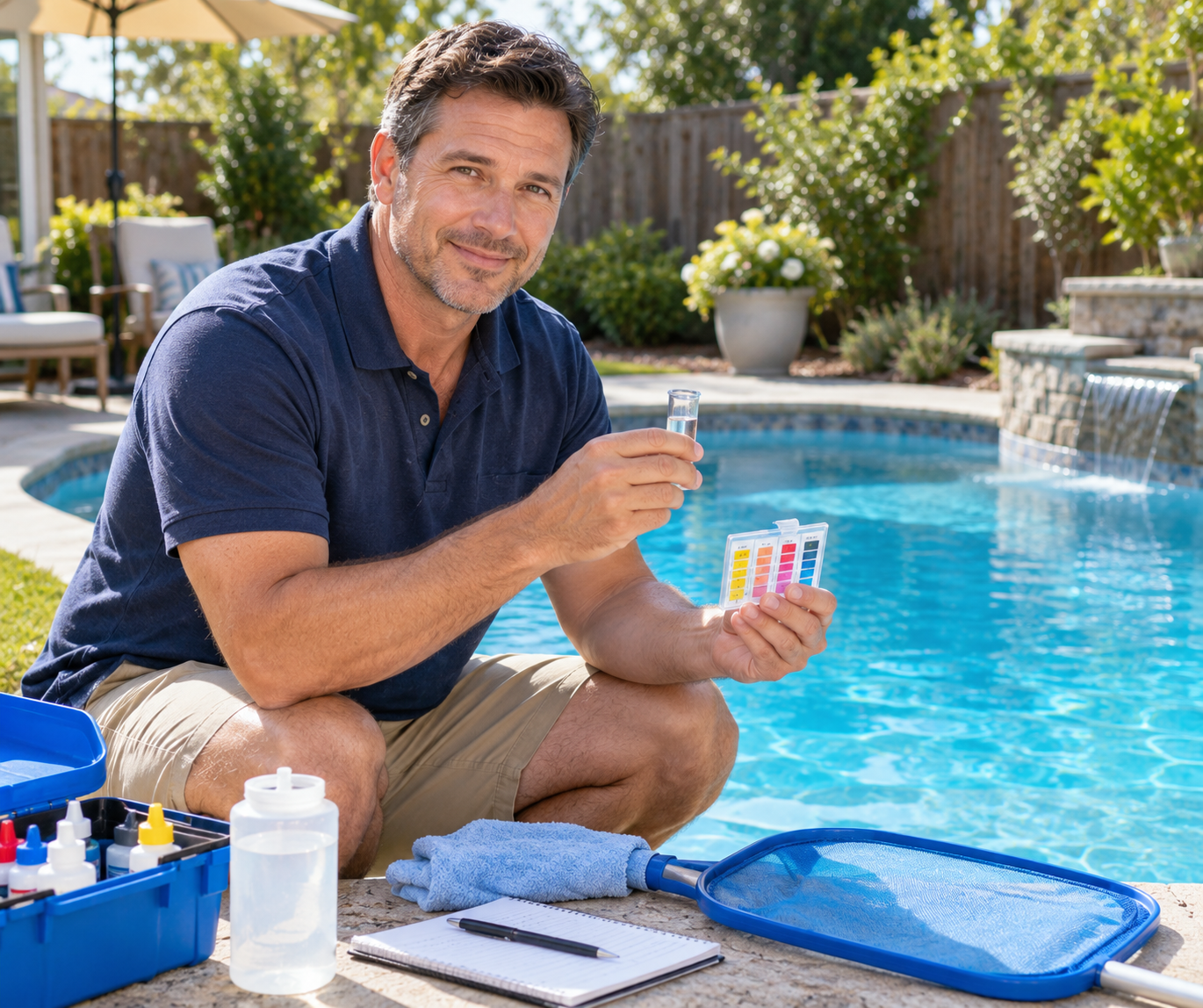

Soaking in warm water after a demanding workday delivers soothing muscle relief, but an unreliable spa quickly turns evening relaxation into an expensive maintenance chore. Backyard owners often face sudden water balance swings, climbing winter electric bills, and unexpected heater flow errors when their equipment lacks proper engineering. Understanding what makes a good hot tub involves looking beneath surface aesthetics to evaluate durable shell materials, dedicated circulation pumps, and closed-cell cabinet insulation. Investing in high-efficiency thermal barriers and durable yard patio hot tub covers prevents costly heat loss while protecting vital mechanical equipment from harsh seasonal weather.
True hydrotherapy performance relies on balanced hydraulic plumbing that distributes continuous water pressure evenly across ergonomic seating arrangements rather than relying on inflated jet counts. High-grade filtration systems and accessible plumbing unions make ongoing chemical management straightforward, helping you maintain clear water without persistent foaming or scale buildup. Reliable spa ownership also demands code-compliant electrical infrastructure, including dedicated ground fault circuit interrupter protection and a level structural foundation designed to handle thousands of pounds of filled operating weight. Focusing on these foundational engineering elements ensures your personal spa delivers restorative hydrotherapy, energy efficiency, and dependable performance across many years of regular use.

Pros
- Multifunctional formula eliminates the need to buy and measure separate clarifiers and line treatments
- No draining required, allowing you to return to soaking after just a two-hour waiting period
- Broad compatibility across acrylic spas, inflatable tubs, swim spas, and all common sanitizer types
- Helps clear internal plumbing buildup before it can form heavy deposits or waterline scum
Cons
- Does not replace your primary sanitizer, so chlorine, bromine, or alternative sanitizers must still be maintained
- The 8-ounce bottle only provides a four-week supply for a standard 500-gallon spa, requiring regular replenishment
- Causes temporary surface foaming for about 15 minutes right after running jets as the formula lifts residue
Bio Ouster Hot Tub Weekly Care is a multi-action chemical additive formulated to clean spa plumbing, clarify cloudy water, and condition bathwater without requiring a water change. Designed specifically for hot tub owners, vacation rental managers, and cold plunge users, this maintenance treatment addresses the hidden buildup that accumulates out of sight inside jet lines. For anyone looking to reduce waterline scum and keep spa water feeling soft between scheduled water changes, this routine additive simplifies weekly care.
Routine hot tub use continuously introduces body oils, cosmetics, sweat, and lotions into the water, which tend to coat internal pipe walls where standard filters cannot reach. Bio Ouster works by circulating through the plumbing lines to break down these deposits and suspend them for filtration, all while polishing water clarity. Because the formula conditions the water simultaneously, bathers often notice a silkier feel that is less drying to the skin during long soaking sessions.
The bleach-free formula is manufactured in the United States to protect spa components from premature wear or chemical degradation. It is safe for application in standard acrylic shells, vinyl-lined spas, portable inflatable hot tubs, swim spas, and even cold plunge units. Unlike harsh industrial line flushes, this gentle blend will not damage delicate jet gaskets, internal seals, or pump impellers when dosed according to manufacturer instructions.
Administering the treatment takes minimal effort and integrates easily into regular weekend spa maintenance. The manufacturer recommends adding 2 ounces per 500 gallons of water, running the jets on high for 30 seconds to distribute the solution, and allowing the spa to rest for two hours before use. A temporary surface foam may appear for roughly 15 minutes as the cleaner lifts residue, which is an expected part of the breakdown process and dissipates on its own.
While Bio Ouster simplifies water conditioning and line maintenance, spa owners must understand that it is not a sanitizer replacement. You must still test and maintain your free chlorine, bromine, or alternative sanitizer levels, as well as balance pH and alkalinity. Additionally, the 8-ounce container represents a starter supply that will only last four weeks in a typical 500-gallon spa, meaning long-term maintenance will require stocking up or purchasing larger refill sizes.
Bio Ouster Hot Tub Weekly Care is a practical investment for spa owners who want to prevent plumbing clogs and murky water without draining their tub every month. It pairs effectively alongside standard sanitizers and occasional deep-purge flushes. Before purchasing, verify your tub volume to ensure the 8-ounce bottle provides sufficient dosing for your planned maintenance schedule.
Bio Ouster 3in1 Weekly Care is designed for broad compatibility with virtually all modern hot tub sanitation setups. It operates safely alongside traditional chlorine, bromine, saltwater generators, mineral cartridges, ozone generators, UV systems, and biguanide programs.
The solution is also safe across diverse spa shells and materials, including acrylic spas, vinyl liners, rotationally molded plastic tubs, and inflatable hot tubs. It can also be used in jetted interior bathtubs and cold plunge systems to maintain clean water lines.

Pros
- Fast-dissolving sodium dichlor formula leaves minimal residue in heated spa water
- Specifically formulated for spa water temperatures and chlorine sanitizing systems
- Five-pound container provides a practical supply for ongoing routine water care
- EPA-approved formulation effectively targets algae growth and organic bather waste
Cons
- Designed strictly for chlorine-based setups and not compatible with non-chlorine or biguanide systems
- Continuous use gradually builds cyanuric acid in hot tub water, requiring standard periodic drain-and-refill cycles
- Requires careful dosing and routine water testing to avoid over-chlorination or chemical vapor buildup
Leisure Time Spa 56 Chlorinating Granules provide a dedicated sanitizing solution designed specifically for residential hot tubs and spas operating on chlorine water-care systems. Unlike standard swimming pool chemicals that may dissolve too slowly or alter chemistry unpredictably in small bodies of heated water, this formula is tailored for the high temperatures and rapid agitation of hot tubs. It suits first-time spa owners, vacation rental hosts, and established hot tub users seeking an EPA-approved sanitizer that maintains clean, clear water without complicated dosing steps.
Daily hot tub maintenance requires dependable control over organic waste introduced by bathers, including perspiration, body oils, and environmental residues. Spa 56 addresses these contaminants using fast-dissolving granules that disperse quickly across the water when circulation jets run. Rapid solubility is a significant advantage in acrylic spas because it minimizes the risk of undissolved chemical particles settling on the bottom shell or bleaching headrests and plastic fittings, helping to protect internal spa surfaces while re-establishing necessary sanitizer residual levels.
The active chemical agent in this formula is Sodium Dichloro-s-Triazinetrione Dihydrate, widely known as sodium dichlor. This stabilized chlorine compound resists degradation from heat and sunlight while providing active sanitizing power to clear cloudy water and inhibit algae growth. Packaged in a sturdy 5-pound bottle with exterior dimensions of 4.75 by 4.75 by 11.5 inches, this size offers an economical supply that minimizes frequent reordering for owners who use their spa regularly throughout the year.
Proper application habits are essential not only for water safety but also for the longevity of your hot tub cover and accessories. Whenever introducing chlorinating granules to the spa, the hot tub cover should remain fully off or folded back with circulation jets active for at least fifteen to twenty minutes. Allowing chemical vapors to off-gas freely prevents corrosive chloramine fumes from becoming trapped underneath the cover, which helps protect the underside vinyl, vapor barrier seals, and foam core from premature degradation.
While sodium dichlor provides reliable sanitizing performance, realistic chemical considerations come with its routine use. Dichlor naturally introduces cyanuric acid (CYA) as a stabilizing agent, meaning CYA levels will gradually rise over months of repeated dosing. Once stabilizer concentrations become elevated, chlorine efficiency drops, making periodic water drain-and-refill intervals necessary every three to four months. In addition, this product must never be mixed directly with alternative sanitizers such as bromine or biguanide systems.
Leisure Time Spa 56 is a reliable, practical choice for any hot tub owner maintaining a chlorine-sanitized spa environment. Before adding this product to your maintenance regimen, verify that your hot tub relies on a chlorine sanitizing routine, and keep a dependable test strip kit on hand to monitor free available chlorine, pH, and total alkalinity levels before dosing.
Consistent water sanitation with Leisure Time Spa 56 plays a key role in protecting the structural integrity of your hot tub accessories and cover. Unbalanced water or neglected sanitizing schedules can lead to organic buildup, scum lines, and mildew along cover skirts and headrests, while excessive chemical buildup can accelerate wear on acrylic surfaces and filtration media.
To ensure optimal water quality while safeguarding your spa components, always test water balance before adding granules and allow the tub to circulate with the cover open during initial dosing. Storing the 5-pound container in a cool, dry area away from direct sunlight will preserve granular potency and maintain reliable performance throughout the lifespan of the bottle.
Pros
- Effectively dislodges stubborn pipe residue and organic buildup prior to draining
- Improves jet performance and circulation efficiency throughout the entire plumbing system
- Helps eliminate recurring foam and chemical demand caused by dirty internal lines
- Compatible with both indoor and outdoor hot tubs as well as larger swim spas
Cons
- Requires a full water drain and shell wipe-down after the cleaning cycle is completed
- Not an in-use water treatment, so the hot tub cannot be used while the cleaner is circulating
- Very large swim spas or heavily neglected plumbing may require more than one 16-ounce bottle depending on dosing instructions
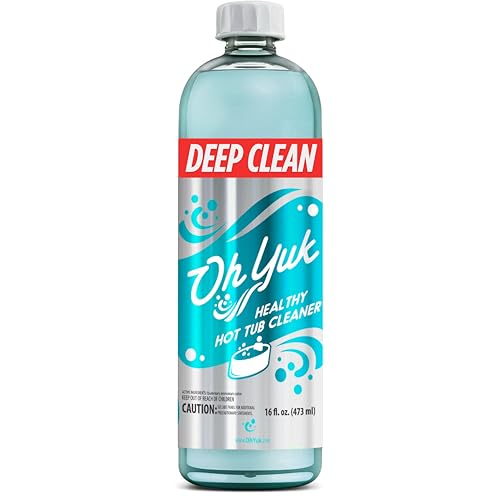
Oh Yuk Healthy Hot Tub Cleaner is a concentrated 16-fluid-ounce plumbing flush formulated to purge interior pipe walls, jet lines, and circulation fittings in indoor and outdoor hot tubs, portable spas, and swim spas. It is engineered specifically for homeowners, vacation rental operators, and regular spa owners preparing for a scheduled drain-and-refill cycle who want to eliminate the hidden organic waste that normal filtration and sanitizing tablets leave behind.
Hidden pipe buildup and accumulated body oils inside circulation lines are frequent culprits behind recurring cloudy water, surface foaming, and weakened jet pressure. By penetrating the interior plumbing pathways, this cleaner lifts and suspends embedded contaminants so they circulate out into the main footwell. This deep purge enables fresh water treatments to work much more effectively after refilling, since sanitizers no longer have to expend oxidation power fighting hidden line residue.
Circulation line maintenance directly benefits mechanical equipment by helping water move freely through pumps, heaters, and filter manifolds. When plumbing lines remain free of restrictive film and buildup, circulation pumps operate with less backpressure, allowing filter cartridges to trap suspended solids cleanly and consistently without unnecessary mechanical strain.
Using a plumbing cleaner requires timing your application around a complete water change, as the dislodged residue must be drained from the spa shell after running the jets. Hot tub owners should expect to wipe down the acrylic surface and water line once the tub empties, removing any residual oils before rinsing and refilling with fresh tap water.
While the 16-ounce bottle provides convenient handling for standard backyard spas, owners of oversized swim spas or tubs with years of neglected plumbing should check manufacturer dosage directions to ensure adequate volume. Furthermore, this product is designed purely as an evacuation flush before draining, meaning bathers must wait until the tub is emptied, rinsed, and refilled with fresh, balanced water before soaking.
For spa owners battling persistent water cloudiness or those establishing a dependable seasonal maintenance schedule, Oh Yuk Healthy Hot Tub Cleaner delivers a practical way to reset circulation lines. Verifying your spa water capacity and having clean towels or sponges ready to wipe the shell after draining ensures a smooth cleaning process and pristine water for your next soak.
Using Oh Yuk Healthy Hot Tub Cleaner is most effective when coordinated with your regular quarterly drain-and-refill schedule. Remove your filter cartridges prior to running the cleaner through the system to avoid trapping heavy dislodged gunk inside your primary filter pleats.
Turn on all jet pumps and allow the cleaner to circulate thoroughly through all plumbing lines according to the manufacturer label directions. Once the cleaning cycle finishes, drain the spa completely and wipe down the acrylic shell to remove any lifted oils and residue before refilling with fresh water.

Pros
- Combines cleaner, clarifier, and conditioner to reduce the number of separate specialty chemical bottles needed
- Does not require draining the spa, making it practical for cold-weather maintenance when draining is risky
- Compatible with standard chlorine and bromine sanitizing systems
- Helps dislodge hidden oils and line buildup that standard sanitizers alone may struggle to clear
Cons
- Does not replace primary sanitizers such as chlorine or bromine and must be used as a supplement
- Initial treatment can release accumulated plumbing grime, requiring extra filter rinsing and waterline wiping
- At 16 fluid ounces per bottle, owners of larger spas may need frequent reorders for year-round weekly dosing
Oh Yuk 5-in-1 Hot Tub Cleaner, Clarifier, and Conditioner is a multi-purpose liquid water treatment designed to streamline routine spa maintenance without draining the tub. It serves spa owners, rental property operators, and busy households who want to prevent cloudy water and line buildup alongside their regular sanitation routine. Rather than managing separate bottles of clarifier, plumbing line maintenance, and water softeners, this single 16-ounce formulation tackles multiple water quality challenges at once.
In daily hot tub ownership, bather loads introduce body oils, lotions, and organic residues that coat plumbing walls and create dull, cloudy water. This 5-in-1 formula actively suspends and lifts those trapped residues, allowing the built-in clarifier to coagulate fine debris so your filter cartridge can capture it. It also conditions the water to improve overall water feel, making soaks feel noticeably smoother without altering primary sanitizer baselines. Because it works without requiring a water drain, it proves especially valuable during freezing winter months when draining and refilling a spa is inconvenient or hazardous.
A crucial factor in hot tub water chemistry is chemical compatibility, and this product is engineered strictly as a supportive supplement rather than an EPA-registered sanitizer. It is formulated to work seamlessly with standard chlorine or bromine maintenance systems. It will not eliminate the need to test and balance free sanitizer, pH, or total alkalinity. Instead, by neutralizing organic residues and keeping plumbing lines clearer, it helps your primary sanitizer work more efficiently without being consumed prematurely by hidden organic contaminants.
Applying the treatment is straightforward, but users should prepare for the way deep-cleaning additives interact with existing buildup. During the first few doses, especially in older spas or tubs with heavy bather traffic, the formula may purge accumulated oils and residue from the plumbing into the main footwell. Spa owners should anticipate wiping down the waterline with a clean cloth and removing the filter cartridge for a thorough rinse 24 to 48 hours after application to prevent dislodged debris from re-circulating.
While the formula simplifies maintenance, it comes with practical limitations that every hot tub owner should understand. The 16-ounce bottle size provides a compact footprint for spa caddies, but frequent weekly dosing across large multi-person hot tubs means a single bottle may deplete quickly. Furthermore, this maintenance product is not an emergency purge flush intended for complete tub draining, nor will it correct severe chemical imbalances caused by neglected calcium hardness or erratic pH levels.
Oh Yuk 5-in-1 Hot Tub Cleaner is best suited for hot tub owners who want to minimize weekly water care steps and preserve water clarity without dumping their water. Before purchasing, verify your spa sanitation setup to confirm you have an established chlorine or bromine routine in place, and ensure you have spare filter cartridges or cleaning tools ready to handle any dislodged residue from the initial treatment.
Using this 5-in-1 treatment on a weekly schedule helps control the organic film and cosmetic oils that normally accumulate on hot tub acrylic and inside internal jet lines. Regular use prevents stubborn waterline rings from setting, which reduces the need for aggressive scrubbing pads that could scratch spa shell surfaces.
Because the built-in clarifier groups micro-particles together for mechanical removal, filter care is directly tied to the success of this treatment. Hot tub owners should inspect and rinse their pleated filter cartridges with clean water shortly after dosing, as the filter media will trap an increased amount of suspended matter once the clarifier takes effect.
Oh Yuk 5-in-1 is formulated to work in harmony with traditional hot tub sanitizers, specifically standard chlorine and bromine water care regimens. It does not replace residual sanitizers, oxidizers, or shock treatments, meaning regular testing of free available sanitizer levels remains necessary.
Adding this conditioner and clarifier assists in maintaining consistent water chemistry by reducing organic demand on the sanitizer. Always ensure your hot tub water is properly balanced for pH and total alkalinity before introducing specialty water conditioners to achieve the best clarity and water feel.

Pros
- Passively collects surface oils and cosmetic residues without requiring tools, power, or installation
- Helps reduce waterline scrubbing and keeps spa filter cartridges cleaner between deep rinses
- Simple to maintain by rinsing with fresh tap water and squeezing out trapped residues
- Includes two reusable sponges in a single package for rotation across routine soak cycles
Cons
- Naturally discolors and turns brownish-gray as it traps grime, which can look unsightly over time
- Requires frequent rinsing and manual squeezing during periods of heavy bather usage
- Does not replace fundamental water care, chemical sanitization, or periodic shock treatments
The Rola-Chem Scumbug 2-Pack is a passive surface-cleaning sponge designed to capture floating body oils, lotions, pollen, and environmental residues in residential hot tubs, swim spas, and pools. For spa owners, bather waste such as sunscreens, skin conditioners, and natural body oils quickly rises to the surface, creating an unsightly grime line along the acrylic shell. This floating bug-shaped absorber targets that floating residue immediately, making it a practical tool for families, vacation rental hosts, and daily spa users who want to keep water surfaces clean with minimal manual labor.
In daily hot tub maintenance, floating scum absorbers help protect both water clarity and filtration components. When oils collect on the surface, they eventually coat the cartridge pleats of your spa filter or bake onto the tub shell at the waterline, requiring abrasive scrub pads or specialized cleaning sprays. By floating freely on the water or sitting inside the skimmer well, the Scumbug collects these contaminants continuously. The manufacturer highlights that the absorber can hold up to 40 times its weight in oils and scum without obstructing water flow or restricting filtration plumbing.
The construction relies on a porous, oil-attracting sponge material fabricated in an identifiable bug silhouette. Weighing less than an ounce, the lightweight white sponge floats easily on top of turbulent or still water. Its open-cell matrix is engineered specifically to draw in oily hydrophobic substances while allowing water to pass through. While the listed shipping dimensions are approximately 8 x 8 x 8 inches for the two-pack packaging, the sponges themselves are sized to float unobtrusively in the corner of a spa without interfering with bathers during routine soaking sessions.
Day-to-day operation is straightforward and requires virtually no installation. Owners simply toss one Scumbug into the hot tub water or place it inside the skimmer weir where water flow naturally directs floating film. Routine maintenance involves pulling the sponge out periodically, rinsing it thoroughly with fresh tap water, squeezing out the trapped grime, and tossing it back into the spa. Because this package includes two absorbers, owners can easily keep one active in the water while the other is being cleaned and dried.
Hot tub owners should keep in mind that a scum absorber is a supplementary cleaning tool rather than a substitute for chemical sanitization. The Scumbug will not balance pH, sanitize bacteria, or eliminate heavy organic loads that require oxidizing shock treatments. Additionally, as the white sponge absorbs heavy cosmetics, tanning oils, and pollen, it will visibly discolor and turn dark, which is normal but may look unappealing if left floating during social gatherings. In tubs with strong surface suction, the sponge may occasionally drift over the drain grate if not kept inside a skimmer basket.
For spa owners seeking a simple way to minimize waterline scrubbing and keep filter cartridges cleaner between deep rinses, the Rola-Chem Scumbug two-pack offers excellent practical utility. It provides a low-cost, reusable defense against cosmetic film and scum rings in acrylic spas, cedar hot tubs, and inflatable models alike. Before purchasing, verify your preferred placement strategy, whether floating free in the bathing area or tucked safely inside your filter compartment for out-of-sight oil collection.
Maintaining the Rola-Chem Scumbug requires only a few minutes of attention during weekly hot tub water checks. When the sponge becomes discolored or feels slick with accumulated body oils, remove it from the spa and rinse it under warm running tap water. Squeeze the sponge firmly between your hands to release the trapped oils and grime, repeating the rinse cycle until the runoff runs clear.
Avoid washing the Scumbug with harsh laundry detergents, bleach, or automated washing machines, as household soaps can introduce residual foam into your hot tub water. Once thoroughly rinsed and gently squeezed dry, the sponge can be returned directly to the water. Rotating between the two sponges provided in the pack extends the functional life of each unit across an entire soaking season.
Using an oil-absorbing sponge works alongside your existing sanitizer routine to reduce the demand on chemical treatments. By passively removing organic oils, lotions, and environmental pollen from the surface, the Scumbug prevents these contaminants from reacting with chlorine or bromine sanitizers. This reduction in organic load can help keep your water clearer and reduce the formation of surface foam caused by cosmetic residues.
To get the best performance without interfering with bathers, place the Scumbug inside the skimmer basket or filter bay where water naturally circulates. If left floating free in the main tub, consider removing it temporarily while entertaining guests to prevent it from tangling in jet streams or drifting into bather seating areas.
Essential Engineering and Operational Standards of a Quality Hot Tub
Determining what makes a good hot tub comes down to the synergy between structural durability, thermal engineering, hydraulic efficiency, and water chemistry. A well-built spa maintains consistent water temperatures in cold conditions while operating quietly and keeping utility expenses predictable. It combines resilient shell materials with balanced pump hydraulics that deliver therapeutic massage rather than harsh, unmodulated water blasts. Examining these technical benchmarks allows buyers to separate marketing claims from genuine long-term value before committing to a backyard installation.
Shell Structural Engineering and Surface Materials
The interior shell forms the structural foundation of every hot tub, bearing continuous water weight and high operating temperatures. Premium models utilize continuous-cast acrylic backed with bonded layers of fiberglass resin or high-density ABS backing for structural rigidity. This composite construction prevents surface blistering, delamination, and cracking caused by shifting bather loads or thermal expansion. In contrast, entry-level spas frequently employ rotationally molded polyethylene, which offers durability and lower weight with an unpolished matte finish.
Acrylic surfaces resist chemical staining and bacterial biofilm adhesion far more effectively than porous plastics or softer synthetic liners. Precision vacuum-forming across durable molds ensures uniform material thickness along deep footwells and ergonomic contours where mechanical stress concentrates. Shells with inconsistent backing lamination can develop thin spots in critical weight-bearing zones, leading to structural leaks over years of use. Checking for consistent fiberglass reinforcement and smooth radius transitions along the seats provides immediate insight into build quality.
Structural framing beneath the shell plays an equally vital role in preventing sagging and plumbing fractures. Quality hot tubs incorporate pressure-treated timber frames, galvanized steel skeletons, or engineered composite framing systems designed to resist rot. These heavy-duty frames transfer filled water weight evenly across the foundation pad without relying solely on the shell perimeter. When a shell lacks adequate framing reinforcement, shifting water weight strains internal glued PVC plumbing joints, eventually creating hidden leaks within the cabinet cavity.
Cabinet Thermal Insulation and Standby Heat Retention
Heating hundreds of gallons of water to 104 degrees Fahrenheit requires significant thermal energy, making cabinet insulation a primary driver of operating costs. Superior spas employ closed-cell full-foam expanding polyurethane that completely encapsulates internal plumbing lines and bonds directly to the shell. This dense foam structure eliminates air circulation inside the cabinet, secures plumbing lines against vibration, and dramatically slows thermal dissipation during winter. Without robust insulation, electric heaters must cycle repeatedly throughout the day, causing severe utility bill shock during cold months.
Alternative insulation methods include perimeter multi-layer reflective foil barriers designed to trap radiant heat generated by working pump motors. While perimeter barrier designs allow easier access for future plumbing repairs, they generally demonstrate higher standby heat loss in sub-zero climates compared to full-foam installations. Energy standards such as California Energy Commission (CEC Title 20) and APSP-14 establish standardized standby wattage metrics to help buyers quantify thermal efficiency. Selecting a spa with verified low standby power consumption ensures your heater maintains steady soaking temperatures without draining excessive electrical grid reserves.
The cabinet exterior must also defend insulation layers from ambient moisture, driving rain, and degrading ultraviolet sunlight. Quality composite siding panels replicate the aesthetic appeal of natural wood while resisting warping, splintering, and fungal decay. Sealed ABS base pans protect internal insulation from ground-level moisture, pests, and surface runoff that could saturate open-cavity insulation materials. When moisture penetrates cabinet insulation, thermal resistance drops precipitously, accelerating heating element wear and driving up standby electricity consumption.
Hydraulic Design: Jet Dynamics, Diverters, and Pump Displacement
Evaluating hydrotherapy capability requires looking past misleading total jet counts to assess continuous-duty pump performance and plumbing line diameter. Manufacturers often inflate marketing specifications by packing dozens of small, non-adjustable directional nozzles into a shell powered by an undersized pump. In contrast, what makes a good hot tub for genuine therapeutic relief is balanced water displacement paired with true continuous-duty horsepower ratings rather than brief peak brake horsepower claims. High-volume rotational and pulsating jets require dedicated hydraulic flow to penetrate tight muscle groups and alleviate chronic lumbar stiffness.
Smooth hydraulic flow relies on large-diameter plumbing manifolds and strategically positioned zone diverter valves that let bathers redirect water pressure. Dual-pump configurations allow you to channel concentrated hydrotherapy to targeted deep-tissue lounge seats while maintaining gentle bubbling action in open bench seating. Ergonomic jet placement targets specific physiological trigger points along the cervical spine, shoulders, and lower back rather than spraying random areas indiscriminately. Adjustable jet faces empower individual users to modulate water velocity to suit personal muscle sensitivity and comfort preferences.
Independent air induction controls inject fine air bubbles into the water stream, creating dynamic venturi action that amplifies perceived massage intensity without overloading the pump motor. Low-noise circulation pumps dedicated solely to continuous filtration keep water moving through cartridge filters without engaging loud high-speed therapy pumps during idle hours. Vibration-dampening motor mounts isolate pump hum from the composite cabinet, ensuring your evening hydrotherapy sessions remain calm and tranquil. A quiet, smooth-running hydraulic system reflects superior internal engineering and high plumbing assembly standards.
Electrical Configurations: Plug-and-Play 110V vs Hardwired 230V Systems
Understanding your home electrical capacity is critical when evaluating spa performance and installation complexity. Entry-level plug-and-play spas operate on dedicated 110-volt or 120-volt circuits using a standard 15-amp or 20-amp outlet with a built-in GFCI cord protector. These portable models eliminate upfront electrical trenching expenses, making them popular choices for renters or budget-conscious homeowners. However, standard 110-volt systems feature smaller 1.0 kW to 1.5 kW electric heating elements that cannot operate concurrently with high-speed hydrotherapy pumps.
When you activate therapy jets on high speed in a 110-volt hot tub, the control pack automatically shuts off the heater to prevent tripping the household breaker. During freezing winter nights, this operational lockout causes soaking water temperatures to drop steadily while the jets run, limiting extended soaking comfort. Converting or selecting a hardwired 230-volt or 240-volt system supported by a 50-amp or 60-amp dedicated circuit fundamentally transforms your soaking experience. A 230-volt spa utilizes robust 4.0 kW to 5.5 kW titanium heaters capable of maintaining continuous 104-degree heat while powering dual high-output pumps simultaneously.
Electrical safety requires strict adherence to National Electrical Code (NEC Article 680) standards during residential installation. Hardwired 230-volt spas mandate an external emergency GFCI disconnect panel installed at least 5 feet away from the water edge for immediate, safe access. Homeowners must consult licensed electricians to verify service panel capacity and coordinate underground conduit runs before spa delivery. Ensuring proper wire gauge and breaker sizing prevents nuisance breaker trips, voltage drops, and premature heater dry-fire damage.
Water Sanitization Chemistry and Plumbing Health
Pristine, odor-free spa water is an undeniable hallmark of a high-performing hot tub, requiring dependable sanitization chemistry and clean plumbing lines. Bathers introduce body oils, sweat, cosmetics, and sunscreen into hot water, rapidly depleting free sanitizer and generating unappealing surface scum rings. To maintain safe bather conditions, owners rely on EPA-registered biocides such as Leisure Time E5, Spa 56 Chlorinating Granules to eliminate harmful bacteria and oxidize organic contaminants. Fast-dissolving sodium dichloro-s-triazinetrione dihydrate granules dissolve rapidly in hot water, establishing stable sanitizer residuals that protect against waterborne pathogens.
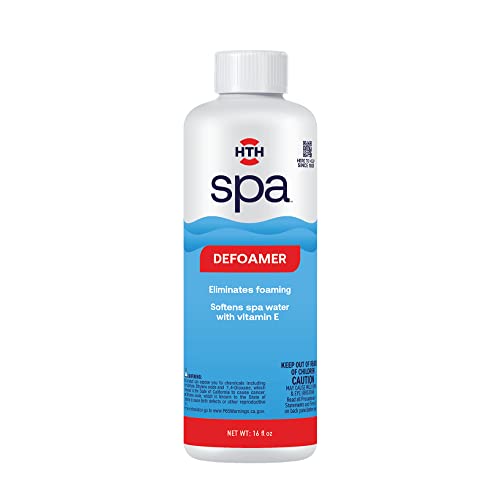
Controlling surface oils before they foul pleated cartridge filters extends water clarity and reduces chemical consumption. Floating oil absorbers like the 2 Pack Scumbug Hot Tub Scum Absorber float continuously across the waterline to trap lotions, pollen, and oily residues before they accumulate along the acrylic shell. When heavy bather loads introduce laundry detergents or skin products that cause sudden bubbling, adding a small dose of HTH Spa 86116, Defoamer, 16 oz eliminates surface froth and restores clear water dynamics. These targeted maintenance accessories work hand-in-hand with primary sanitizers to ensure soothing soaks without irritating chemical odors.
Beyond surface water management, internal plumbing lines harbor unseen organic biofilm and mineral residue that reduce jet pressure and consume sanitizer. Utilizing advanced weekly treatments like Ouster Hot Tub Weekly Care – 3in1 Cleaner or Oh Yuk 5-in-1 Hot Tub Chemicals, Cleaner conditions the water while breaking down hidden gunk inside jet lines and circulation pipes. Before draining and refilling every three to four months, running a concentrated purge such as Oh Yuk Healthy Hot Tub Cleaner flushes deep plumbing lines to maximize filtration efficiency and protect internal pump seals. Combining reliable EPA-registered sanitizers with regular plumbing flushes preserves equipment longevity and keeps water crystal clear.
Maintaining balanced water chemistry also hinges on strict monitoring of total alkalinity between 80 and 120 ppm, alongside pH levels between 7.2 and 7.8. When alkalinity drops below recommended thresholds, pH bounces erratically, causing corrosive conditions that degrade metal heating elements and pump impellers. Conversely, excessive calcium hardness promotes scale buildup across heating coils, leading to low-flow error codes and reduced thermal efficiency. Pairing disciplined chemical testing with protective hot tub covers with warranty coverage keeps external debris out of your water while sustaining balanced chemical conditions.
Thermal Cover Integrity, Heat-Seal Skirts, and Vapor Barriers
Even the most energy-efficient hot tub cabinet loses significant heat if topped with a poorly constructed or deteriorating spa cover. Up to seventy percent of total spa heat loss occurs directly through the water surface via evaporation and thermal radiation. A premium cover features high-density expanded polystyrene (EPS) foam cores tapered from five inches at the center ridge to three inches at the edges to promote rainwater runoff. This structural taper prevents standing water accumulation that could eventually collapse the internal foam core under heavy rain or snow loads.
Moisture vapor barriers sealed around the internal EPS foam core determine how long a thermal cover retains its insulating R-value. Inferior vinyl coverings allow hot spa steam to penetrate the foam core over time, turning the cover heavy, waterlogged, and thermally useless. Quality covers encase the foam inside chemically resistant polyethylene vapor barriers that are heat-sealed to prevent moisture absorption. Reinforced perimeter tie-down straps with child safety locks keep the cover firmly anchored against high winds while preventing unauthorized access.
A continuous insulated hinge seal runs down the center fold to stop heat from escaping along the seam where the two halves meet. Overlapping marine-grade vinyl skirts drape over the acrylic rim to block cold drafts from penetrating the spa cabinet perimeter. Upgrading to robust designs like extra large hot tub covers ensures complete thermal containment across oversized spa dimensions. Pairing a quality cover with a mechanical lifter makes opening and closing the spa effortless while protecting the cover seams from unnecessary mechanical strain.
Foundation Engineering and Total Operating Weight Calculations
Installing a hot tub requires careful structural planning because water creates substantial weight loads that standard patio pavers or unreinforced decking cannot bear. To calculate the total operating weight, add the dry weight of the spa, the water weight at 8.34 pounds per gallon, and estimated occupant weight at 175 pounds per person. Dividing this total weight by the footprint square footage yields the pounds-per-square-foot (PSF) load rating your foundation must support. Most filled residential hot tubs generate concentrated loads ranging between 100 and 150 PSF, requiring dedicated engineering verification.
A poured four-inch reinforced concrete slab with steel rebar or wire mesh reinforcement provides the gold standard foundation for permanent hard-shell hot tubs. The concrete pad must cure completely and sit dead level to ensure water depth remains uniform across all seating positions. Placing a heavy acrylic spa on an uneven surface causes structural twisting, which warps the cabinet framing and places extreme shear stress on acrylic seams. Modular structural plastic spa pads installed over compacted crushed stone aggregate also offer a viable, well-draining alternative for level ground installations.
Elevated wooden decks require structural engineering assessments before any hot tub delivery takes place. Standard residential decks are commonly designed for live loads of only 40 to 50 PSF, making them completely inadequate for filled hot tubs without major framing upgrades. Retrofitting structural support typically involves adding doubled joists, heavy-duty post footers, and reinforced ledger board attachments directly tied to home foundation framing. Overlooking structural load calculations can lead to catastrophic deck failure, personal injury, and severe property damage.
Long-Term Maintenance Routines and Equipment Longevity
Sustaining peak hot tub performance over a decade or more requires consistent maintenance habits rather than sporadic emergency chemical treatments. Rinsing pleated cartridge filters weekly with fresh water removes loose organic debris, while monthly soaking in degreasing solutions strips embedded body oils from polyester pleats. Operating with clogged filter cartridges restricts circulation flow, triggering topside FLO error codes and forcing heaters into protective dry-fire shutdown modes. Keeping clean spare filter cartridges on hand allows seamless rotation while dirty filters soak in specialized cleaning agents.
Quarterly drain and refill routines reset total dissolved solids (TDS) levels, which accumulate over months of chemical additions and bather usage. High TDS levels make water feel harsh on the skin, cause persistent water cloudiness, and reduce sanitizer effectiveness regardless of how much chlorine you add. Before draining the water through bottom drain spigots or a submersible pump, running an enzymatic line purge clears accumulated gunk from internal manifolds. Wiping down the empty acrylic shell with non-abrasive surface cleaners prevents waterline scale rings without damaging high-gloss surface finishes.
Seasonal freeze protection safeguards require automated control packs that circulate warm water periodically when ambient temperatures approach freezing thresholds. For cold-climate owners who travel during winter, reliable digital topside controls with remote Wi-Fi monitoring provide real-time alerts if power fails or water temperatures drop. Comprehensive winterization procedures involving clearing all residual water from pump wet ends and internal plumbing lines protect against freeze-induced pipe fractures if you choose to drain the spa during freezing months. Prioritizing these routine care practices ensures your hot tub remains a dependable sanctuary for wellness, hydrotherapy, and effortless relaxation.





Write Your Review
No reviews yet. Be the first to share your experience!