

Setting up a relaxing outdoor retreat often comes down to balancing comfort against high installation expenses and complex site preparation. Traditional acrylic spas deliver powerful hydrotherapy, but they demand permanent electrical lines, dedicated concrete pads, and substantial upfront commitments. Many homeowners and renters find themselves asking should i buy an inflatable hot tub when looking for an accessible way to soak without committing to thousands of dollars in sitework. Portable blow-up spas provide a flexible alternative that sets up quickly on standard household electrical circuits. Pairing these units with a protective yard patio hot tub cover can also help shield the exterior vinyl from seasonal debris and direct sun exposure.
Modern models now include integrated freeze prevention, smart application controls, and specialized multi-layer puncture-resistant sidewalls. However, operating a portable plug-and-play spa still introduces distinct mechanical limitations regarding simultaneous heating, pump noise, and heat retention during cold weather. Understanding the daily realities of water balancing, electrical draw, and structural weight distribution is essential before setting one up in your backyard. Exploring the functional pros and cons helps clarify whether a temporary blow-up spa matches your personal relaxation goals and budget.


Pros
- Dual-layer cover system helps reduce heat loss and keeps blowing debris out of the spa water.
- Integrated GFCI plug adds essential electrical safety protection for outdoor 110-120V household outlets.
- Comes with practical ownership accessories including a protective PE ground mat and slide-on drink holder.
- Laminated PVC sidewalls feel firm and stable when properly inflated on a level base.
Cons
- Blower-driven air jets pull in ambient air, which causes water temperature to decline faster during active massage sessions in cool weather.
- The 73-inch square dimension comfortably fits 2 to 4 adults for extended soaking, despite the 4 to 6-person maximum rating.
- Requires frequent filter cartridge rinsing and manual water chemical testing to keep portable spa water balanced.
The SunSwell 73-inch inflatable hot tub is an all-in-one portable square spa designed for budget-conscious homeowners, renters, couples, and families who want backyard relaxation without committing to permanent plumbing or high installation costs. With its 73 x 73 x 25.6-inch footprint and 4 to 6-person listed capacity, this freestanding unit provides an approachable option for personal hydrotherapy. Rather than requiring dedicated 220V hardwiring, the system operates on standard electrical connections with built-in GFCI safety protection, making it convenient for setting up on a patio, reinforced deck, or level gravel pad.
Heat management is a critical factor in operating an outdoor portable spa, and this model addresses thermal efficiency through a dual-cover configuration. The package includes an inflatable inner bladder that floats directly on the water surface to block evaporation and speed up preheating, paired with a fitted exterior insulated cover equipped with safety locking buckles. This layered approach helps reduce ambient heat loss between soaking sessions and prevents leaves, windblown dirt, and rainwater from clouding the water. Combined with a 600W motor powering 120 to 130 soothing air jets and an integrated heater capable of reaching 104 degrees Fahrenheit, users can easily set their preferred soaking temperature for evening unwinding.
SunSwell builds the spa body from multi-layer laminated PVC material, which provides improved puncture resistance and dimensional stability compared to basic single-ply vinyl alternatives. The integrated vertical wall construction keeps the sidewalls firm enough to support bathers leaning back along the rim without structural collapse. Beyond the spa body, the manufacturer includes a thoughtful accessory bundle to simplify ownership. A dedicated PE ground mat protects the tub floor from abrasive concrete or rough ground, while a slide-on PU drink holder keeps beverages within easy reach. Ongoing water maintenance is supported by a detachable filtration unit that works with replaceable cartridges to continually circulate and clarify the water.
Installation is relatively straightforward and requires no specialized tools, utilizing the integrated motor to inflate the spa shell within minutes through the provided connection hose. Before filling, owners should confirm that the chosen site is completely level, free of sharp stones, and capable of bearing the heavy combined load of water and occupants. Daily ownership involves checking water sanitizer levels, rinsing the replaceable filter cartridge every few days, and securing the locking buckles on the exterior cover whenever the spa is not in use to preserve heat and prevent unwanted access.
Prospective buyers should keep realistic operational tradeoffs in mind. Because the bubble massage system utilizes ambient air fed through perimeter air holes rather than high-pressure water jets, running the bubbles during cool outdoor weather will cause the water temperature to drop more rapidly. Furthermore, while the manufacturer lists a 4 to 6-person capacity, comfortable soaking typically suits two to four adults with ample legroom. In freezing winter climates, operating a vinyl-walled portable tub requires extra attention to prevent water lines from freezing and to manage electrical heating demands.
For homeowners and patio entertainers looking for an affordable, movable spa complete with an effective thermal cover system, the SunSwell 73-inch portable hot tub represents an attractive entry point. It eliminates the complexity of permanent site preparation while delivering relaxing bubble massage and solid heat-retention accessories. Before buying, verify your exterior dimensions to ensure adequate clearance around the perimeter for walking, cover removal, and access to a grounded electrical outlet.
The dual-cover system is a standout feature for energy conservation on the SunSwell 73-inch portable spa. The first layer consists of an inflatable bladder that rests directly upon the water surface, minimizing dead air space, trapping steam, and cutting initial heat-up times.
The secondary outer cover fits over the tub rim and secures with adjustable locking buckles. This exterior barrier protects the vinyl rim from direct sun exposure, stops leaves and garden debris, and provides a physical closure latch to prevent the cover from blowing away in windy conditions.
Setting up the SunSwell spa requires selecting a smooth, completely level surface capable of bearing the full weight of water and bathers. Laying down the included PE ground sheet provides a protective barrier against punctures from tiny debris on concrete or patio pavers before inflating the tub with the supplied air hose.
Long-term water hygiene relies on the detachable filtration housing and replaceable filter cartridges included in the kit. Rinsing the filter pleats frequently with a garden hose and maintaining proper water sanitizer chemistry prevents scale accumulation on the internal heating element and keeps the 120-jet system running smoothly.


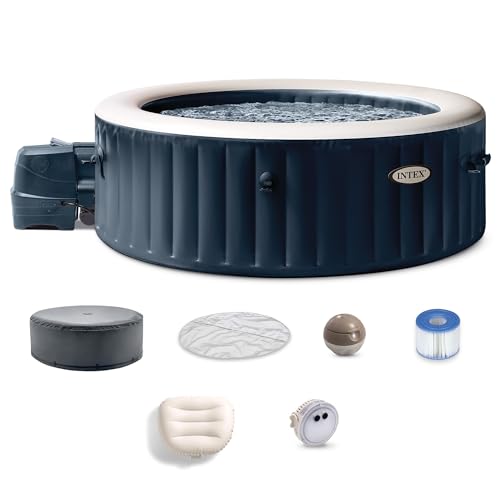

Pros
- Includes a specialized insulated cover engineered to retain water heat and reduce electrical operating demand
- Integrated Freeze Shield protects internal pump mechanics and water channels when overnight temperatures drop
- Bestway Connect app integration allows remote water preheating and timer programming straight from a smartphone
- ChemConnect dispenser distributes chlorine or bromine evenly without needing a loose floating chemical dispenser
Cons
- Compact 71-inch square interior dimensions can feel crowded when occupied by six full-sized adults simultaneously
- Initial water heating to 104 degrees Fahrenheit takes several hours on a standard plug-in electrical supply
- Soft-sided inflatable structure requires a smooth, debris-free base to prevent accidental punctures or ground wear
The Coleman SaluSpa Hawaii Energy-Efficient Inflatable Hot Tub is a square 71 by 71 by 28-inch portable spa designed for homeowners, renters, and families wanting a warm soak without installing permanent electrical wiring. Sized for four to six people, this model suits first-time spa buyers who prioritize straightforward assembly, lower energy overhead, and modern conveniences like mobile app control. Its square layout offers comfortable corner seating that fits cleanly onto standard patios or outdoor decking.
Heat retention is often the biggest hurdle with soft-sided spas, but the Hawaii addresses this with insulated walls and an insulated thermal cover. According to manufacturer specifications, this combination retains up to 40 percent more heat than similar standard inflatable hot tubs. This thermal design allows the unit to comply with APSP-14 and California Title 20 standards, ensuring legal efficiency compliance in states like California, Oregon, and New York. Keeping the cover secured between uses significantly reduces heat dissipation and cuts down on cyclic heater runtime.
Structural durability is supported by internal MaxHold fabric beams that maintain rigid sidewalls when users sit or lean back, surrounded by a puncture-resistant three-layer Tritech outer shell. For transitional seasonal weather, the integrated Freeze Shield automatic heating function prevents internal water from freezing in the pump and liner when outdoor temperatures plummet. While not intended for deep sub-zero winter freezes, this safety feature guards against unexpected overnight frost damage during early spring and late autumn use.
Controlling the spa is intuitive via the top-mounted digital pump interface or through the Bestway Connect smartphone app. Users can adjust the water temperature up to 104 degrees Fahrenheit, initiate the 140 AirJet massage bubbles, or schedule the power-saving timer up to 40 days in advance. Water sanitation is equally hassle-free thanks to the included ChemConnect dispenser, which mounts directly to an internal wall outlet to circulate chlorine or bromine tablets evenly across the water volume.
Prospective owners should factor in realistic operational limitations typical of 110-120V portable hot tubs. Heating a full tub from garden hose temperatures to the maximum 104 degrees takes extended time, and turning on the bubble massage draws in ambient air that naturally cools the water during brisk evenings. In addition, while listed for up to six individuals, four adults will experience much better legroom and overall seating comfort inside the 71-inch basin.
For backyard owners seeking an accessible, feature-packed spa with tangible energy-saving insulation, the Coleman SaluSpa Hawaii delivers excellent practical value. Before purchasing, verify that your chosen site provides a completely level 71 by 71-inch flat base, access to a dedicated outdoor GFCI outlet, and adequate surrounding clearance to comfortably remove and reinstall the insulated cover.
The included cover for the Coleman SaluSpa Hawaii is an insulated thermal barrier engineered to curb rapid heat loss through the water surface. Paired with the insulated spa walls, this construction is rated to perform up to 40 percent more efficiently in retaining heat than comparable non-insulated inflatable spas.
Because the unit meets APSP-14 and Title 20 efficiency requirements, it satisfies strict appliance efficiency mandates in states such as California, Maine, Oregon, and Washington. Fastening the insulated cover tightly after each soak protects the water from debris while significantly reducing the workload on the internal heater.
Setting up the Coleman SaluSpa Hawaii is straightforward thanks to the included digital pump, which inflates the 71-inch square spa body in minutes without auxiliary air tools. The installation area must be flat, level, cleared of sharp stones or twigs, and capable of supporting the full weight of the filled tub and occupants.
Routine maintenance centers around regular filter cartridge cleaning and consistent chemical balancing. The integrated ChemConnect dispenser mounts directly to the internal return jet, steadily releasing sanitizer tablets into circulating water to maintain clarity without floating obstacles in the soaking area.

Pros
- Complies with strict Title 20 and APSP-14 energy standards across California, Oregon, Washington, and New York
- Includes a dedicated insulated thermal cover that minimizes evaporative heat loss and blocks yard debris
- Freeze Shield automatic warming function guards water channels and the pump assembly against freezing weather
- Rugged 3-layer Tritech vinyl and internal MaxHold beam bracing resist punctures and structural sagging
Cons
- Exterior 71-inch diameter provides a comfortable soak for two adults, though rated for up to four people
- Gradual 110V water heating rate requires advance planning before the initial soak or after refilling
- Inflatable vinyl structure requires placement on a smooth, debris-free pad to prevent accidental punctures
The Coleman SaluSpa Miami Energy-Efficient 2.0 Inflatable Hot Tub provides an accessible, portable hydrotherapy solution for couples, small families, and first-time spa owners seeking relaxation without the permanence of a hard-sided acrylic unit. With an exterior measurement of 71 x 71 x 26 inches, this compact round spa accommodates two to four people comfortably on level patios, decks, or backyard pads. It combines a dedicated digital pump, an integrated 120-bubble AirJet massage ring, and an insulated cover system engineered specifically for lower energy consumption.
Thermal retention and regulatory compliance serve as central design priorities for this updated Miami model. Unlike standard entry-level inflatable hot tubs that rapidly lose heat through thin sidewalls, this unit features insulated walls and an insulated top cover engineered to improve heat retention by up to 40 percent. This design satisfies strict APSP-14 and Title 20 energy efficiency standards, making it fully compliant for purchase and operation in regulated states such as California, New York, Oregon, and Washington. The included cover helps lock in water temperatures up to 104 degrees Fahrenheit while keeping outdoor leaves, dirt, and airborne debris out of the water basin.
Structural durability relies on a puncture-resistant three-layer Tritech outer skin paired with MaxHold internal fabric beam architecture. The Tritech material utilizes a polyester mesh core encased between two layers of laminated PVC, providing resistance against surface abrasions, pet claws, and general patio wear. Internally, the MaxHold fabric beams maintain structural firmness and side-wall integrity, preventing the spa from bulging or sagging when occupants sit against the rim. While sturdy, owners must still place the tub on a smooth, debris-free ground cloth or protective mat to avoid sharp puncture hazards on concrete or gravel.
Routine operation and water care are streamlined through the multi-function pump and built-in maintenance components. The digital pump handles full inflation without requiring auxiliary air compressors, while also managing filtration, rapid heating, and massage blower functions from an easy-to-reach seated position. Water sanitization is supported by the ChemConnect chemical dispenser, which attaches directly to an internal jet nozzle to uniformly disperse chlorine or bromine tablets across the spa. Furthermore, the built-in Power-Saving Timer allows users to schedule heating cycles up to 40 days in advance to conserve electricity between planned soaking sessions.
Cold-weather functionality and space constraints represent the primary operational tradeoffs of this portable system. The Freeze Shield automatic heating system continuously monitors temperatures to prevent the pump, filtration housing, and vinyl liner from freezing in cold conditions. However, like most 110-120V plug-and-play inflatable hot tubs, heating times are gradual, and the water temperature may dip during extended use in sub-freezing weather when the bubble jets draw in cool ambient air. In addition, while rated for up to four individuals, the 71-inch exterior diameter offers the most comfortable, uncrowded soaking experience for two adults at a time.
Prospective buyers seeking an affordable, energy-compliant backyard spa will find the Coleman SaluSpa Miami 2.0 an attractive balance of comfort, convenience, and operating efficiency. Before purchasing, verify that your proposed setup site offers a level, weight-bearing surface close to a dedicated electrical outlet and measures at least six feet across to ensure adequate clearance for the tub and external pump housing.
The insulated cover and reinforced sidewalls of the Coleman SaluSpa Miami Energy-Efficient 2.0 play an essential role in keeping everyday electrical consumption manageable. By meeting APSP-14 and California Title 20 appliance standards, this spa is certified to retain heat up to 40 percent more efficiently than traditional non-insulated inflatable models.
Keeping the thermal cover properly latched between uses is critical to maintaining water temperature and preventing unnecessary cycling of the heating element. The fitted cover fastens securely around the rim to limit evaporative heat loss, deter outdoor wind uplift, and protect clean water from falling yard debris.
Proper site preparation ensures optimal longevity and stability for the 71 x 71 x 26-inch inflatable spa. Ensure the ground surface is completely flat, clear of sharp rocks or roots, and rated to bear the full weight of water and occupants.
Routine water care requires checking the filter cartridge and maintaining sanitizer levels via the integrated ChemConnect dispenser. Using the 40-day power-saving timer allows you to plan heating intervals around your lifestyle, while Freeze Shield mode safeguards pump plumbing when outdoor temperatures drop near freezing.
Detailed Inflatable Hot Tub Ownership and Buying Analysis
Answering whether to invest in a portable blow-up spa depends primarily on aligning your hydrotherapy expectations with the realities of low-voltage equipment. Inflatable hot tubs deliver genuine hot-water relaxation, muscle tension relief, and social backyard enjoyment without requiring permanent landscape alterations. They serve as an approachable stepping stone for prospective spa owners who want to test the lifestyle before committing to a hard-shell acrylic installation. Examining how these units manage temperature, structural weight, and routine sanitization ensures you make an informed choice for your home. Evaluating these elements before purchasing saves both time and unnecessary frustration down the road.
The Direct Tradeoff: Upfront Affordability Versus Operational Quirks
Initial equipment cost represents the clearest distinction between an inflatable model and a traditional hard-shell spa. Portable tubs eliminate the immediate need for a dedicated 230-volt subpanel, trenching conduit, or hired crane delivery over backyard fences. You can set up models like the SunSwell 73″ Inflatable Hot Tub 4-6 Person or the Bestway SaluSpa Cancun Energy-Efficient 2-4 Person in less than an hour using an integrated air pump. This low barrier to entry makes portable tubs exceptionally appealing to renters and budget-conscious homeowners who want quick backyard relaxation. This straightforward setup allows you to test the hot tub lifestyle without signing long-term equipment contracts or hiring outside contractors.
The financial savings during setup bring operational differences in ongoing efficiency and water heating speed. Inflatable spas utilize 110-volt or 120-volt electrical cords equipped with built-in GFCI safety plugs, which limits heater element wattage compared to hardwired units. Because the walls rely on air-filled chambers rather than dense polyurethane foam, standby heat loss occurs more rapidly when the cover remains off. Exploring budget foldable hot tub covers can help minimize thermal loss when the spa sits idle between evening soaks. Also, being able to deflate and store the spa in a basement during severe weather protects your investment over time.
Heating Mechanics and 110-Volt Plug-and-Play Limitations
Standard household outdoor outlets supply limited electrical wattage, which directly affects how portable spas manage heating cycles. Most inflatable spas feature a 1,200-watt to 1,500-watt electric heating element that raises water temperature at a rate of one to three degrees Fahrenheit per hour. A fresh fill from a standard garden hose can take twenty-four to thirty-six hours to reach the maximum operating temperature of 104 degrees Fahrenheit. Product notes for models like the TIMSATIO Inflatable Hot Tub 6 Person specifically advise activating heating functions a full day in advance for this reason. Planning your soak ahead of time becomes a necessary habit when managing a plug-and-play heating schedule.
Low-voltage electrical circuits also impose functional limitations during active spa sessions. Many inflatable control packs cannot operate the 600-watt air bubble blower and the electric heater simultaneously due to household circuit breaker limits. When the bubble jets run, the heater often shuts off, causing water temperatures to drop noticeably during prolonged soaking in cooler air. In contrast, 230-volt hard-shell systems maintain water warmth continuously while powering dual-speed massage pumps. Keeping the insulated cover securely fastened during warm-up periods remains essential for reaching your desired soaking temperature efficiently.
Structural Construction: Fiber-Tech, Tritech, and Puncture Durability
Modern blow-up spas no longer resemble fragile pool floats thanks to advanced internal reinforcement engineering. The INTEX PureSpa 6 Person Inflatable Hot Tub incorporates patented Fiber-Tech beam construction, which uses thousands of high-strength polyester fibers to prevent sidewall bowing. Similarly, Coleman and Bestway utilize MaxHold internal fabric beams surrounded by a three-layer Tritech outer shell designed to resist punctures, surface abrasions, and ultraviolet degradation. These reinforced walls are firm enough for adults to sit directly on the rim without collapsing the structure. The sturdy vertical beam structure provides impressive rigidity that helps the walls maintain their circular or square profile when fully loaded.
Despite reinforced PVC membranes, puncture vulnerability remains an inherent reality of flexible outdoor vinyl equipment. Sharp gravel, animal claws, thorny garden clippings, and dropped accessories can damage the outer liner if the site is not thoroughly cleared. Most manufacturers supply patch kits and ground cloths, but accidental punctures require prompt deflation and adhesive repair. Treating the vinyl with care, keeping sharp objects away, and utilizing protective ground mats ensures the structural envelope remains airtight across multiple seasons. Inspecting the ground area for stray twigs, sharp rocks, and acorns before rolling out the deflated tub goes a long way toward preventing unexpected punctures.
Site Preparation and Filled Weight Load Calculations
A common misconception about portable spas is that their lightweight empty shell allows placement anywhere without structural verification. While an empty tub may weigh less than one hundred pounds, the total operating weight changes dramatically once filled with water. Water weighs approximately 8.34 pounds per gallon, meaning a 158-gallon tub like the TIMSATIO 6-person model holds over 1,300 pounds of water alone. Adding four to six adult bathers easily pushes the total distributed load over 2,000 pounds across the spa footprint. Failing to account for bather weight alongside water volume can result in dangerous structural overloading on unsupported decks.
Placing that concentrated mass requires a level, unyielding base capable of handling sixty to one hundred pounds per square foot. Poured concrete pads, compacted crushed gravel bases, or structurally reinforced ground-level paver patios provide ideal support. Placing an inflatable hot tub on an unverified elevated wooden deck introduces significant structural risks without consulting a qualified builder. You must also position the tub within reach of a dedicated outdoor electrical outlet without using hazardous extension cords. Ensuring adequate clearance around the tub allows effortless access for routine filter cleanings and cover removal.
Water Chemistry, Hard Water Scaling, and Daily Sanitation Care
Managing water quality in an inflatable tub requires the same strict biological vigilance as any commercial acrylic spa. Smaller water volumes mean that bather oils, cosmetics, and perspiration concentrate quickly, leading to cloudiness or foaming if neglected. Units such as the Coleman SaluSpa Hawaii Energy-Efficient 4-6 Person and the Bestway SaluSpa Miami include a ChemConnect chemical dispenser that threads directly onto the filtration outlet. This mechanism evenly disperses chlorine or bromine tablets to maintain steady sanitizer residuals between two and four parts per million. Monitoring chlorine levels with reliable test strips several times a week prevents organic buildup and keeps the water inviting.
Maintaining proper total alkalinity between 80 and 120 parts per million prevents rapid pH swings that cause skin irritation or scale deposits. In regions with hard water, dissolved minerals can accumulate on internal heating elements and trigger heater flow errors. The INTEX PureSpa addresses this challenge by integrating a built-in hard water treatment system that softens water electro-chemically. Routinely rinsing the pleated paper filter cartridges every few days and replacing them every few weeks keeps water circulation smooth. Shocking the water weekly with a non-chlorine oxidizer helps clear organic contaminants and maintains sparkling water clarity.
Noise Levels, Air Blower Output, and Bather Ergonomics
Hydrotherapy in an inflatable spa relies on high-volume air blowers rather than directional water pumps. Models like the Coleman SaluSpa Miami Energy-Efficient AirJet 2-4 and the SunSwell 73″ tub push air through 120 to 140 bottom perimeter rings. This creates a vigorous bubbling effect across the water surface that relaxes tired muscles and soothes stress. However, air bubbles do not provide the targeted, deep-tissue pressure delivered by adjustable rotational water jets found in hard-shell spas. While the resulting bubble massage feels invigorating, buyers seeking targeted hydrotherapy for chronic lumbar stiffness may find the air action less intense than expected.
Operating the air blower motor generates noticeable ambient sound that can disrupt quiet backyard conversation. The motor noise and bubbling turbulence produce a steady hum that some owners find relaxing, while others consider it surprisingly loud. Seating ergonomics in an inflatable tub consist of a cushioned floor rather than molded contours or dedicated loungers. Bathers sit directly on the padded base with their backs against the upright sidewall, offering an open, barrier-free soaking area. For many users, this open layout provides comfortable legroom and effortless social interaction among friends and family.
Cold-Weather Performance, Freeze Shield Systems, and Winterization
Using an inflatable spa during freezing winter months requires understanding equipment safety thresholds and thermodynamic heat loss. Bestway and Coleman equip their spas with Freeze Shield automatic heating technology to prevent internal pump and pipe damage. When outdoor temperatures drop into freezing territory, the circulation pump and heater activate automatically to keep water moving above critical freeze points. However, extreme sub-zero weather can overwhelm 110-volt heaters, resulting in rapid temperature loss when the cover is open. Understanding these cold-weather limits prevents unexpected temperature drops during mid-winter soak sessions.
Investing in durable hot tub thermal covers or insulated thermal bladders is essential for retaining heat during winter months. Many models meet Title 20 and APSP-14 energy efficiency standards, utilizing high-density insulated covers that secure with child-safety locking clips. If you live in an area with prolonged deep freezes, draining and storing the spa indoors prevents damage to sensitive pump gaskets. For moderate climates, proper thermal shielding allows year-round outdoor soaking with manageable utility consumption. Completely drying the vinyl before packing prevents mold growth during winter storage.
Making the Practical Decision for Your Backyard
Deciding whether to purchase an inflatable spa ultimately hinges on balancing your personal lifestyle against maintenance commitments. If you want an affordable, temporary hydrotherapy setup that requires zero permanent yard modifications, an inflatable tub delivers outstanding value. It provides a warm sanctuary for evening relaxation, social gatherings, and post-workout recovery without major financial strain. The ease of deflating, packing, and moving the unit makes it especially suited for renters or seasonal vacation homes. For many busy households, the sheer convenience of a plug-and-play spa offers the perfect balance of relaxation and practical economy.
Conversely, if your goal is intense, deep-tissue hydrotherapy, instant winter heating recovery, or a permanent landscape feature, saving for an acrylic hard-shell spa remains the better path. Inflatable hot tubs require active water chemistry testing, regular filter cleaning, and gentle handling to achieve a long operating lifespan. When matched with realistic expectations regarding 110-volt heating behavior and sound output, a portable spa can transform an ordinary patio into a welcoming personal retreat. Taking time to inspect your site foundation and electrical access will ensure you enjoy every soak to the fullest.


Write Your Review
No reviews yet. Be the first to share your experience!