
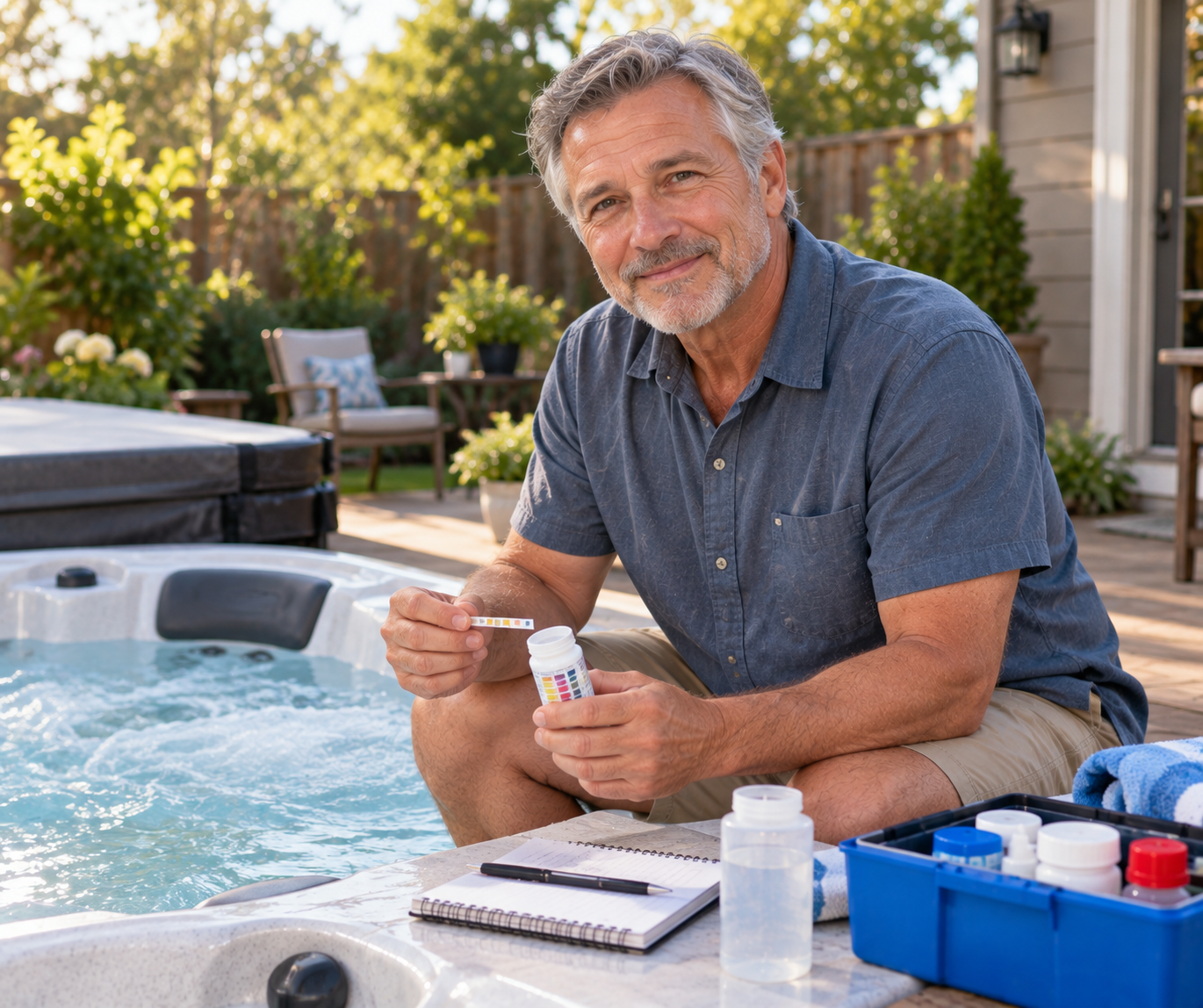

High electric utility bills often catch new spa owners by surprise when cooler weather sets in. Keeping several hundred gallons of water heated to soaking temperatures requires continuous energy management, especially as outdoor ambient temperatures fall below comfortable thresholds. Understanding what is the most energy efficient hot tub comes down to analyzing how effectively a unit prevents thermal escape rather than simply looking at raw heater wattage. Selecting models equipped with dense barriers and pairing them with sturdy protective patio hot tub covers creates an effective barrier against rapid ambient cooling.
Thermal efficiency in portable spas relies on a complete system of insulation, tight-fitting seals, and smart power management. Units that incorporate structural foam walls or multi-layer reflective thermal barriers retain heat significantly longer between heating cycles than bare vinyl walls. Furthermore, modern energy standards such as APSP-14 and California Title 20 establish strict baseline standby power draw metrics that separate standard tubs from truly economical options. Evaluating these mechanical and structural elements before purchasing ensures comfortable, reliable soaking throughout the season without unexpected electrical utility spikes.

Pros
- Dual-cover configuration pairs an inflatable floating bladder with a secure locking top cover for enhanced heat retention
- Generous starter package includes six replacement filter cartridges, ground mat, and storage bag without requiring separate purchases
- Square 73 x 73-inch exterior provides an open 57 x 57-inch interior floor that comfortably seats small groups and families
- Built-in 130-jet bubble massage system produces gentle, full-surround aeration for backyard relaxation
Cons
- Electric plug-and-play internal heater warms water gradually, requiring preheating well before soaking
- Inflatable PVC walls demand mindful placement to prevent punctures from sharp rocks, twigs, or pet claws
- Manufacturer-listed six-person capacity is tight; four adults will enjoy a substantially more comfortable soak
The UHOMEPRO Inflatable Hot Tub Spa Set provides an accessible, portable soaking option for homeowners, renters, and families looking to add hydrotherapy to a backyard patio or deck without permanent plumbing or high-voltage wiring. Built in a contemporary square format measuring 73 inches by 73 inches on the exterior with a 26-inch wall height, this spa offers clean lines that tuck neatly into patio corners. It appeals directly to first-time spa buyers who want the benefits of a warm soak and air massage without the four-figure investment and site preparation required for hard-sided acrylic spas.
A major operational highlight of this package is the dual-cover system designed for temperature management and debris control. Rather than relying on a single thin vinyl sheet, UHOMEPRO includes an inflatable bladder cover that floats directly on top of the water to trap rising warmth, along with a tailored outer cover featuring integrated child safety lock clips. This dual-barrier design helps lower evaporative heat loss during cooler evenings and keeps leaves, lawn clippings, and dust from contaminating your water. While an inflatable cover cannot match the dense foam cores of permanent rigid covers in sub-zero snowstorms, it provides sensible thermal protection for three-season soaking.
Relaxation is driven by an internal 600W bubble system that powers 130 air jets positioned around the interior perimeter, creating a calming, continuous bubble massage. Water heating is handled by the internal heater pump, which warms the water gradually to your chosen temperature setting via simple digital controls. Because standard plug-in portable spas heat water steadily over multiple hours, keeping both the inflatable bladder and locking outer cover firmly in place during the preheat cycle is critical for reaching and sustaining ideal soaking temperatures efficiently.
Filtration and water clarity are well supported by the included accessory bundle, which provides six filter cartridges from the start. Having multiple cartridges on hand allows owners to rotate and thoroughly rinse elements without leaving the spa unprotected. The package also includes a protective PE ground mat that creates a smooth buffer between your patio surface and the tub bottom, an inflation hose, and a storage bag for seasonal takedown. With an interior floor size of 57 by 57 inches, the tub provides plenty of legroom for two to four adults, even though the listed rating allows up to six.
Potential owners must keep practical maintenance and material realities in mind before buying. The laminated PVC construction is resilient for normal backyard use, but it remains susceptible to punctures from sharp gravel, outdoor tools, or unrestrained pets. Heating times also stretch noticeably in chilly weather, meaning this model performs best in mild to moderate climates or sheltered patio setups. Consistent water testing, timely sanitizer additions, and frequent filter cartridge cleanings are essential to prevent cloudy water and maintain pump efficiency.
For homeowners, couples, or small families wanting an affordable, fully equipped backyard spa with built-in covers and filter supplies, the UHOMEPRO Inflatable Hot Tub delivers impressive practical value. Before purchasing, confirm that your intended installation site offers a level, firm surface capable of holding the filled weight, with direct access to a suitable outdoor power outlet. Fastening the locking cover straps whenever the spa is not in use will maintain water temperature, reduce running costs, and keep your spa clean for your next evening soak.
The UHOMEPRO inflatable spa features a square footprint measuring approximately 73 inches long by 73 inches wide, with an overall exterior height of 26 inches. This square geometry maximizes seating efficiency compared to round tubs of similar outer dimensions, fitting cleanly into patio corners or alongside deck railings.
On the inside, the usable seating floor measures 57 inches by 57 inches, providing generous legroom for couples or small families. While the product specifications list a capacity of four to six adults, four adults will experience a significantly more relaxed and uncrowded soak. Before setting up, verify that your site has at least two to three feet of clearance around the tub for stepping in, securing cover straps, and accessing the pump controls.
This portable spa includes a specialized two-piece cover setup designed to improve energy retention and maintain water cleanliness. The first component is an inflatable thermal bladder that sits directly inside the tub rim on the water surface, acting as a floating heat shield that substantially reduces heat loss from surface evaporation.
The second component is a fitted outer cover equipped with perimeter buckle straps featuring safety locks. When clipped securely, the outer cover seals against wind gusts, keeps rain and falling leaves out of the water, and acts as a basic safety latch against unauthorized cover removal. Using both covers simultaneously during preheating and idle periods is essential for optimal heating performance.
Maintaining clean water is straightforward thanks to the included filtration system and six replacement filter cartridges. The internal pump circulates water through the cartridge to capture suspended debris, skin oils, and fine particles, preventing buildup inside the heater and air jet manifolds.
To maintain proper flow and heating efficiency, rinse the active filter cartridge with a standard garden hose every few days during regular use. Having six filter cartridges included in the set allows for effortless rotation, so you can soak a dirty cartridge in filter cleaner while a fresh replacement keeps your spa operating smoothly.


Pros
- Includes a specialized insulated cover engineered to retain water heat and reduce electrical operating demand
- Integrated Freeze Shield protects internal pump mechanics and water channels when overnight temperatures drop
- Bestway Connect app integration allows remote water preheating and timer programming straight from a smartphone
- ChemConnect dispenser distributes chlorine or bromine evenly without needing a loose floating chemical dispenser
Cons
- Compact 71-inch square interior dimensions can feel crowded when occupied by six full-sized adults simultaneously
- Initial water heating to 104 degrees Fahrenheit takes several hours on a standard plug-in electrical supply
- Soft-sided inflatable structure requires a smooth, debris-free base to prevent accidental punctures or ground wear
The Coleman SaluSpa Hawaii Energy-Efficient Inflatable Hot Tub is a square 71 by 71 by 28-inch portable spa designed for homeowners, renters, and families wanting a warm soak without installing permanent electrical wiring. Sized for four to six people, this model suits first-time spa buyers who prioritize straightforward assembly, lower energy overhead, and modern conveniences like mobile app control. Its square layout offers comfortable corner seating that fits cleanly onto standard patios or outdoor decking.
Heat retention is often the biggest hurdle with soft-sided spas, but the Hawaii addresses this with insulated walls and an insulated thermal cover. According to manufacturer specifications, this combination retains up to 40 percent more heat than similar standard inflatable hot tubs. This thermal design allows the unit to comply with APSP-14 and California Title 20 standards, ensuring legal efficiency compliance in states like California, Oregon, and New York. Keeping the cover secured between uses significantly reduces heat dissipation and cuts down on cyclic heater runtime.
Structural durability is supported by internal MaxHold fabric beams that maintain rigid sidewalls when users sit or lean back, surrounded by a puncture-resistant three-layer Tritech outer shell. For transitional seasonal weather, the integrated Freeze Shield automatic heating function prevents internal water from freezing in the pump and liner when outdoor temperatures plummet. While not intended for deep sub-zero winter freezes, this safety feature guards against unexpected overnight frost damage during early spring and late autumn use.
Controlling the spa is intuitive via the top-mounted digital pump interface or through the Bestway Connect smartphone app. Users can adjust the water temperature up to 104 degrees Fahrenheit, initiate the 140 AirJet massage bubbles, or schedule the power-saving timer up to 40 days in advance. Water sanitation is equally hassle-free thanks to the included ChemConnect dispenser, which mounts directly to an internal wall outlet to circulate chlorine or bromine tablets evenly across the water volume.
Prospective owners should factor in realistic operational limitations typical of 110-120V portable hot tubs. Heating a full tub from garden hose temperatures to the maximum 104 degrees takes extended time, and turning on the bubble massage draws in ambient air that naturally cools the water during brisk evenings. In addition, while listed for up to six individuals, four adults will experience much better legroom and overall seating comfort inside the 71-inch basin.
For backyard owners seeking an accessible, feature-packed spa with tangible energy-saving insulation, the Coleman SaluSpa Hawaii delivers excellent practical value. Before purchasing, verify that your chosen site provides a completely level 71 by 71-inch flat base, access to a dedicated outdoor GFCI outlet, and adequate surrounding clearance to comfortably remove and reinstall the insulated cover.
The included cover for the Coleman SaluSpa Hawaii is an insulated thermal barrier engineered to curb rapid heat loss through the water surface. Paired with the insulated spa walls, this construction is rated to perform up to 40 percent more efficiently in retaining heat than comparable non-insulated inflatable spas.
Because the unit meets APSP-14 and Title 20 efficiency requirements, it satisfies strict appliance efficiency mandates in states such as California, Maine, Oregon, and Washington. Fastening the insulated cover tightly after each soak protects the water from debris while significantly reducing the workload on the internal heater.
Setting up the Coleman SaluSpa Hawaii is straightforward thanks to the included digital pump, which inflates the 71-inch square spa body in minutes without auxiliary air tools. The installation area must be flat, level, cleared of sharp stones or twigs, and capable of supporting the full weight of the filled tub and occupants.
Routine maintenance centers around regular filter cartridge cleaning and consistent chemical balancing. The integrated ChemConnect dispenser mounts directly to the internal return jet, steadily releasing sanitizer tablets into circulating water to maintain clarity without floating obstacles in the soaking area.

Evaluating Thermal Performance and Hot Tub Efficiency
Determining true efficiency in a portable hot tub requires examining how well the entire unit retains heat under real outdoor conditions. Many shoppers focus strictly on heater wattage or rapid heating claims, but long-term energy savings depend almost entirely on preventing thermal escape. A spa with superior insulation and an airtight cover will use far less power over a month than an uninsulated model with a high-capacity heater. Understanding thermal dynamics helps you identify models that stay warm without driving up monthly electrical utility costs.
Standby Heat Loss and the Thermodynamic Baseline
Thermal performance in any spa is governed primarily by standby heat loss, which measures how quickly water cools when the heater is idle. Portable hot tubs spend more than ninety percent of their operating life maintaining target temperatures rather than warming fresh cold water. Because water has a high specific heat capacity, heating hundreds of gallons demands significant electrical energy. Without continuous thermal resistance in the spa walls, that energy escapes into the ambient air, forcing the heater to cycle repeatedly.
Three distinct heat transfer mechanisms contribute to water cooling: conduction, convection, and evaporation. Conduction draws thermal energy outward through the tub floor and sidewalls directly into the surrounding air and ground. Convection circulates air currents across the outer surfaces, stripping heat away at an accelerated rate when breezes pick up. Limiting these thermodynamic pathways requires establishing an unbroken thermal barrier around every surface of the spa to keep daily kilowatt-hour consumption minimal.
Wall Insulation Architecture: Rigid Foam Versus Air Chambers
The structural composition of spa sidewalls dictates how effectively a unit resists conductive heat loss. Traditional inflatable hot tubs rely on air chambers within flexible PVC walls, which provide minimal insulation against colder outdoor air. In contrast, models like the EZLIFE Oval 2-Person Four-Season Foam Hot Tub utilize dense, rigid full-foam wall panels. These solid foam barriers provide substantial thermal resistance, slowing conductive heat transfer from the heated water into the surrounding environment.
Rigid foam insulation performs exceptionally well because it eliminates convective air movement within the wall structure itself. While standard inflatable chambers allow internal air to circulate and transfer heat outward, closed-cell foam locks tiny air pockets in place. Other portable designs, such as the CO-Z 6ft Inflatable Hot Tub, incorporate an aluminum insulation layer within reinforced PVC to reflect radiant heat. While flexible reflective liners cannot completely match the insulation value of thick rigid foam, they offer a meaningful efficiency upgrade over standard single-ply PVC bladders.
Surface Vapor Retention and Cover Engineering
Uncovered water surfaces account for up to seventy percent of total heat loss in any residential spa installation. As heated water evaporates, it draws immense thermal energy out of the tub, causing temperatures to plunge rapidly. Equipping your setup with dense foldable hot tub covers or dedicated thermal lids with perimeter skirts creates a tight air seal that traps rising vapor. Preventing surface evaporation is the single most effective way to keep operating costs predictable throughout the year.
Dual-cover designs offer an advanced solution for portable spas operating in challenging outdoor environments. The UHOMEPRO Inflatable Hot Tub Spa Set incorporates two specialized covers, featuring an inner inflatable bladder cover that floats directly above the water and an outer protective cover with safety locking straps. Similarly, the Coleman SaluSpa Sicily and Coleman SaluSpa Hawaii models include EnergySense covers constructed to retain substantially more warmth than standard vinyl lids. These tight-fitting thermal barriers eliminate gaps where warm air escapes, ensuring the heater cycles far less frequently overnight.
Regulatory Efficiency Standards: Title 20 and APSP-14
Evaluating energy efficiency requires looking beyond marketing claims and reviewing standardized efficiency certifications. State regulations such as California Energy Commission Title 20 and industry standards like APSP-14 establish strict limits on standby power draw. These benchmarks measure total kilowatt-hours consumed per month under standardized ambient testing temperatures while the spa maintains normal operating heat. Testing under uniform conditions prevents manufacturers from exaggerating thermal efficiency or minimizing real-world power demands.
Compliance with APSP-14 and Title 20 is mandatory for hot tubs sold in several states, including California, Oregon, Washington, New York, and Massachusetts. The Coleman SaluSpa Sicily and Coleman SaluSpa Hawaii explicitly meet Title 20 and APSP-14 compliance criteria, verifying their adherence to strict standby energy limitations. Choosing a certified model guarantees that the pump efficiency, heating mechanics, and insulation meet rigorous independent conservation benchmarks. This certification provides objective peace of mind that the spa is engineered to avoid excessive utility consumption.
Heater Wattage, Electrical Voltage, and Heating Dynamics
Most portable hot tubs connect directly to standard 110V to 120V household outlets via a dedicated 15-amp circuit. Integrated heating assemblies in these plug-and-play units typically feature a 1,350W heating element that draws roughly 11 to 12 amps under full load. Because household branch circuits have strict continuous-load safety margins, these spas cannot operate the heater and high-powered air blowers simultaneously. Understanding this electrical limitation helps owners manage soaking routines without experiencing unexpected water cooling.
A 1,350W heating element generally elevates water temperature at a rate of one to two degrees Fahrenheit per hour under favorable ambient conditions. In spas with superior foam or reflective insulation, heat accumulates steadily because minimal energy escapes through the cabinet walls during the warming process. Once the water reaches your chosen setpoint, thermal retention determines how often the heating element must reactivate. In an insulated spa, the heating element runs only briefly to counteract minor standby cooling, whereas uninsulated tubs force the element to fire almost continuously.
Air Jet Massage and Convective Cooling Effects
The type of massage system integrated into your spa plays a direct role in how rapidly water loses heat during use. Most portable inflatable hot tubs rely on high-volume air blowers that push ambient air through dozens of perimeter jet orifices. For example, the UHOMEPRO spa features 130 soothing air jets, while the Coleman Sicily incorporates 180 bubbling warm jets. While these systems create an invigorating full-body massage, injecting unheated or partially warmed outdoor air directly into hot water accelerates thermal loss.
When outdoor temperatures sit at fifty degrees Fahrenheit, pulling that cool ambient air through a 600W blower directly into 104-degree water causes water temperatures to drop noticeably. Because plug-and-play 120V systems pause the heater while running air blowers, the spa cannot actively replenish this lost thermal energy until the massage cycle finishes. Running the air massage system in shorter five-to-ten-minute intervals allows you to enjoy hydrotherapy without stripping excessive heat from the water column. Replacing the thermal cover promptly after exiting preserves the remaining warmth for your next session.
Programmable Scheduling and Smart Control Apps
Digital scheduling tools give hot tub owners direct control over when their heating systems consume electricity. Running a spa at peak soaking temperature around the clock when you only soak on weekend evenings wastes significant electrical energy. Features like the Power-Saving Timer on the Coleman SaluSpa Hawaii allow you to program future heating cycles up to forty days in advance. This automation lets you keep the spa in low-temperature standby mode during workdays and warm it up precisely when needed.
Wireless connectivity expands energy control even further through dedicated mobile management applications. With Bestway Connect app compatibility, users can adjust temperature setpoints, turn on filtration, or toggle massage systems from their smartphones. If unexpected weather rolls in or your evening schedule changes, you can lower target temperatures instantly from anywhere. Smart scheduling also allows homeowners on time-of-use utility plans to run heating cycles during cheaper off-peak overnight hours, lowering the effective operating cost significantly.
Automated Freeze Protection and Low-Temperature Limits
Winter operation presents unique challenges for portable hot tubs because freezing water expands and can crack internal pump housings and plumbing manifolds. To prevent catastrophic freeze damage without running heaters continuously, manufacturers build automated freeze safeguards into modern pump packs. The Freeze Shield automatic heating function on Coleman SaluSpa models continuously monitors ambient water temperatures. When internal sensors detect temperatures approaching freezing, the system automatically engages the circulation pump and low-level heat to keep water moving steadily.
By activating only when necessary, automated freeze safeguards protect the spa using minimal electrical power compared to running the full heater manually. However, homeowners must verify the ambient operating envelope specified by each manufacturer. The Coleman Sicily user documentation indicates that the spa is not rated for operation in ambient temperatures below 39 degrees Fahrenheit. In contrast, rigid four-season foam models like the EZLIFE Oval spa are structurally engineered to handle colder winter climates without wall stiffness or severe thermal collapse.
Foundation Pads and Ground Thermal Isolation
Conductive heat loss through the bottom of the spa is one of the most overlooked causes of high electrical bills. Setting a warm hot tub directly onto an uninsulated concrete patio or damp ground allows cold masonry to draw warmth rapidly downward. Concrete acts as a massive thermal heat sink, absorbing heat continuously from the water floor. Installing an insulating barrier between the spa base and the foundation breaks this thermal bridge, keeping heat where it belongs.
Many complete hot tub packages provide custom ground protection mats to address this exact installation vulnerability. The UHOMEPRO Inflatable Hot Tub includes a dedicated PE ground mat designed to insulate the tub floor from cold outdoor surfaces. Combining solid base insulation with insulated spa covers with warranties shields both ends of the water vessel from harsh outdoor temperatures. In addition to preserving thermal energy, a cushioned base prevents localized friction points, protecting the liner over years of regular use.
Practical Selection Principles for Maximum Efficiency
Choosing the most energy-efficient hot tub requires matching insulation engineering to your specific climate and soaking habits. If you live in an area with freezing winters and intend to soak year-round, rigid full-foam models like the EZLIFE Oval 2-Person spa offer superior thermal retention. The structural foam walls dramatically reduce standby heat loss, keeping monthly power consumption low even when outdoor air temperatures plunge. While foam-wall models carry a higher initial investment, the long-term energy savings quickly offset upfront costs in cold regions.
For moderate climates or seasonal three-season soaking, advanced inflatable spas meeting Title 20 and APSP-14 standards provide impressive efficiency. Models such as the Coleman SaluSpa Hawaii and Sicily pair low-power 1,350W heaters with EnergySense covers and smart scheduling timers to prevent wasted power. Adding a dual-cover system, like the inflatable bladder and heat-retaining lid on the UHOMEPRO spa, further cuts surface heat loss during cool nights. By prioritizing certified covers, ground insulation, and smart scheduling, you can enjoy luxurious hydrotherapy while keeping your monthly electric bill completely under control.






Write Your Review
No reviews yet. Be the first to share your experience!