
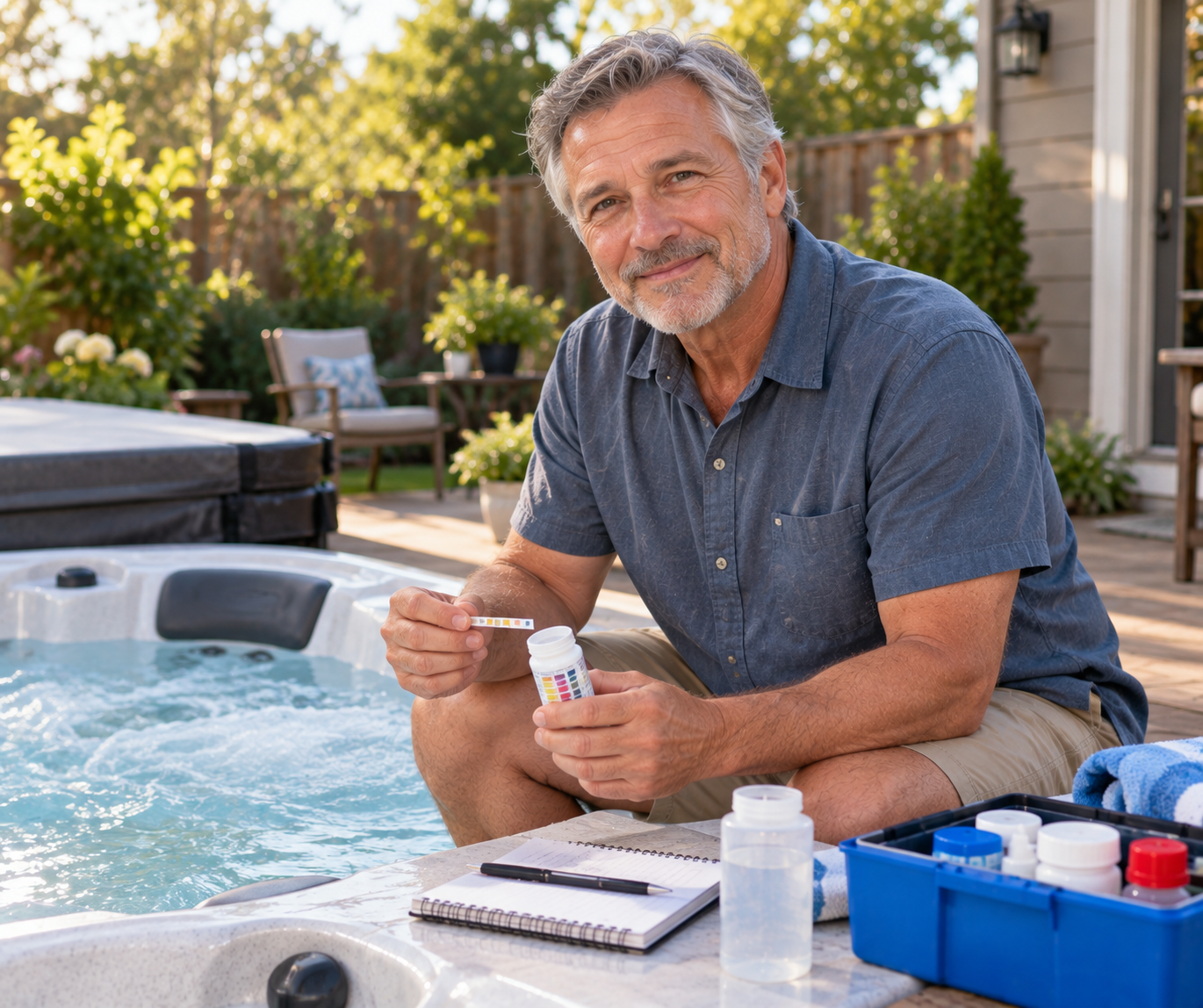

Unchecked water heat can quickly turn a soothing evening soak into a serious health hazard. Maintaining precise thermal balance protects your body from heat exhaustion while keeping pump seals and plumbing lines free from thermal stress. Paying close attention to the official cdc hot tub temperature recommendation ensures your spa water never exceeds the maximum safe threshold of 104 degrees Fahrenheit. Faulty thermistors and failing heating elements often cause erratic temperature swings or trigger annoying watchdog errors on your control panel. Upgrading to a properly fitted yard patio hot tub cover helps trap steady heat so your hardware does not struggle during cold nights.
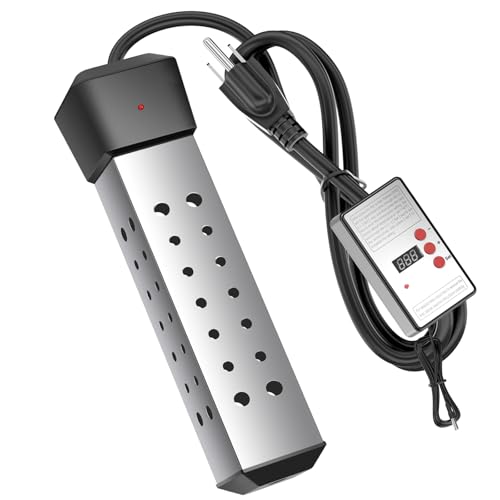
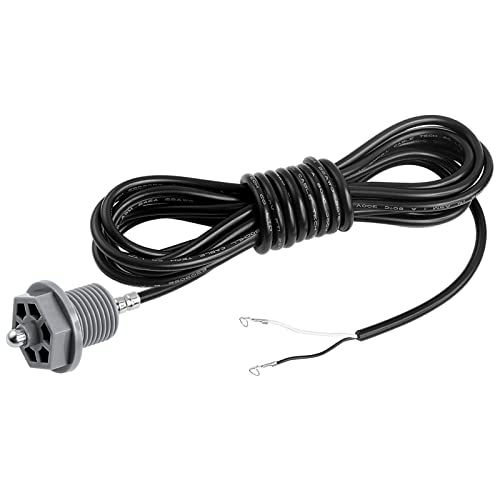
Balancing your water temp requires dependable control hardware and accurate sensors working together. Whether you are swapping out a drifting thermistor on a Balboa M7 system or wiring a 2kW 110V heater replacement, quality components prevent dangerous overheating. A portable immersion heater with an automatic thermostat can also provide auxiliary heating for small soaking tubs without risking scalding temperatures. After evaluating equipment specifications, electrical ratings, and user feedback, we identified reliable components to help you align with the cdc hot tub temperature recommendation throughout the season.


Frequently Asked Questions
What is the maximum safe hot tub temperature for adults?
The maximum safe water temperature is 104 degrees Fahrenheit (40 degrees Celsius). This limit aligns with the cdc hot tub temperature recommendation to prevent drowsiness, heat exhaustion, and potential heat stroke during prolonged soaks. Most factory-installed spa controllers lock out higher settings to prevent accidental overheating. Installing a calibrated sensor ensures your digital control board reflects the actual water temperature.
Can a faulty temperature sensor cause a spa to overheat past safe levels?
Yes, a failing or drifted temperature sensor can allow the heater to run continuously past safe limits. Components like the replacement sensor for Jacuzzi and Sundance spas or Balboa M7 systems help the spa pack shut off heating elements accurately. When sensors fail, control boards often display error codes or watchdog symbols to cut power to the heating element. Replacing older sensors restores safety safeguards and prevents thermal runaway.
How does a thermal cover help maintain safe water temperatures?
A dense thermal cover prevents rapid heat dissipation and reduces the workload on your heating system. Pair your setup with deals on silent hot tub cover models to lock in residual heat efficiently. Steady insulation stops large temperature drops, which keeps the heater from running on continuous high-amp cycles. This stability makes it easier to comply with the cdc hot tub temperature recommendation year round.
What electrical circuit is required for a 110V 2kW replacement spa heater?
A dedicated 20-amp breaker is required to safely operate a 110V 2kW spa heater like the LX H20-Rs1. Running a 2000-watt heating element draws around 16 to 18 amps, which will quickly trip standard 15-amp household circuits. You should always ensure proper ground-fault circuit interrupter (GFCI) protection is in place to guard against electrical faults. Proper water flow of at least 0.25 horsepower is also essential to prevent internal element burnout.
Is an immersion water heater safe for heating soaking tubs and small pools?
Yes, immersion heaters are safe when they include a built-in thermostat and full stainless steel guards. Units like the 2000W portable immersion heater provide automated shutoff features once your target heat level is reached. Always keep the heating element completely submerged before connecting to power to avoid dry-fire damage. Using a best budget oversized hot tub cover alongside small portable tubs minimizes heat loss during initial warm-up sessions.
Why does the control board display a watchdog error code?
A watchdog error code typically indicates a communication failure or temperature mismatch between the primary thermistor and high-limit sensor. In Balboa M7 and Sundance systems, dual sensors monitor both sides of the heater tube to detect inadequate flow or excessive temperatures. When a sensor drifts out of resistance tolerance, the circuit cuts heater power as a safeguard. Swapping out the aged sensor probe generally resolves the error and restores normal operation.





Write Your Review
No reviews yet. Be the first to share your experience!