

Stepping into lukewarm water on a freezing winter evening ruins the entire hydrotherapy experience and drives up monthly electric bills. Maintaining proper heat requires precise diagnostic hardware and reliable monitoring tools, especially when older heating elements struggle against sub-zero drafts. Investing in a heavy-duty yard patio hot tub cover helps trap rising thermal energy, but internal components dictate whether your soak reaches therapeutic levels. Getting the best temperature hot tub dialed in protects your equipment from freezing while ensuring soothing relief for stiff joints and tired back muscles.
Careful analysis of factory thermistors, wireless floating monitors, and complete portable spas reveals significant differences in calibration precision and heat retention. Some owners struggle with blinking error codes on digital spa packs, while others need remote alerts to track baseline water temperatures before heading outside. Our evaluation of hardware specs, diagnostic compatibility, and owner feedback highlights dependable tools designed to lock in consistent heat. Whether you need a plug-and-play spa setup like the Coleman SaluSpa Hawaii or a replacement Balboa M7 heating sensor, stabilizing your water prevents wasted power and keeps every soak deeply restorative.


Pros
- Includes a specialized insulated cover engineered to retain water heat and reduce electrical operating demand
- Integrated Freeze Shield protects internal pump mechanics and water channels when overnight temperatures drop
- Bestway Connect app integration allows remote water preheating and timer programming straight from a smartphone
- ChemConnect dispenser distributes chlorine or bromine evenly without needing a loose floating chemical dispenser
Cons
- Compact 71-inch square interior dimensions can feel crowded when occupied by six full-sized adults simultaneously
- Initial water heating to 104 degrees Fahrenheit takes several hours on a standard plug-in electrical supply
- Soft-sided inflatable structure requires a smooth, debris-free base to prevent accidental punctures or ground wear
The Coleman SaluSpa Hawaii Energy-Efficient Inflatable Hot Tub is a square 71 by 71 by 28-inch portable spa designed for homeowners, renters, and families wanting a warm soak without installing permanent electrical wiring. Sized for four to six people, this model suits first-time spa buyers who prioritize straightforward assembly, lower energy overhead, and modern conveniences like mobile app control. Its square layout offers comfortable corner seating that fits cleanly onto standard patios or outdoor decking.
Heat retention is often the biggest hurdle with soft-sided spas, but the Hawaii addresses this with insulated walls and an insulated thermal cover. According to manufacturer specifications, this combination retains up to 40 percent more heat than similar standard inflatable hot tubs. This thermal design allows the unit to comply with APSP-14 and California Title 20 standards, ensuring legal efficiency compliance in states like California, Oregon, and New York. Keeping the cover secured between uses significantly reduces heat dissipation and cuts down on cyclic heater runtime.
Structural durability is supported by internal MaxHold fabric beams that maintain rigid sidewalls when users sit or lean back, surrounded by a puncture-resistant three-layer Tritech outer shell. For transitional seasonal weather, the integrated Freeze Shield automatic heating function prevents internal water from freezing in the pump and liner when outdoor temperatures plummet. While not intended for deep sub-zero winter freezes, this safety feature guards against unexpected overnight frost damage during early spring and late autumn use.
Controlling the spa is intuitive via the top-mounted digital pump interface or through the Bestway Connect smartphone app. Users can adjust the water temperature up to 104 degrees Fahrenheit, initiate the 140 AirJet massage bubbles, or schedule the power-saving timer up to 40 days in advance. Water sanitation is equally hassle-free thanks to the included ChemConnect dispenser, which mounts directly to an internal wall outlet to circulate chlorine or bromine tablets evenly across the water volume.
Prospective owners should factor in realistic operational limitations typical of 110-120V portable hot tubs. Heating a full tub from garden hose temperatures to the maximum 104 degrees takes extended time, and turning on the bubble massage draws in ambient air that naturally cools the water during brisk evenings. In addition, while listed for up to six individuals, four adults will experience much better legroom and overall seating comfort inside the 71-inch basin.
For backyard owners seeking an accessible, feature-packed spa with tangible energy-saving insulation, the Coleman SaluSpa Hawaii delivers excellent practical value. Before purchasing, verify that your chosen site provides a completely level 71 by 71-inch flat base, access to a dedicated outdoor GFCI outlet, and adequate surrounding clearance to comfortably remove and reinstall the insulated cover.
The included cover for the Coleman SaluSpa Hawaii is an insulated thermal barrier engineered to curb rapid heat loss through the water surface. Paired with the insulated spa walls, this construction is rated to perform up to 40 percent more efficiently in retaining heat than comparable non-insulated inflatable spas.
Because the unit meets APSP-14 and Title 20 efficiency requirements, it satisfies strict appliance efficiency mandates in states such as California, Maine, Oregon, and Washington. Fastening the insulated cover tightly after each soak protects the water from debris while significantly reducing the workload on the internal heater.
Setting up the Coleman SaluSpa Hawaii is straightforward thanks to the included digital pump, which inflates the 71-inch square spa body in minutes without auxiliary air tools. The installation area must be flat, level, cleared of sharp stones or twigs, and capable of supporting the full weight of the filled tub and occupants.
Routine maintenance centers around regular filter cartridge cleaning and consistent chemical balancing. The integrated ChemConnect dispenser mounts directly to the internal return jet, steadily releasing sanitizer tablets into circulating water to maintain clarity without floating obstacles in the soaking area.

Frequently Asked Questions
What is the ideal soak setting for healthy adults?
Most owners set their tub between 100°F and 102°F for a relaxing soak. The maximum safe limit set by industry safety standards is 104°F, which warms sore muscles quickly. Running the water at 98°F to 100°F works best if you plan on soaking longer than twenty minutes or sharing the spa with children.
How does setting the best temperature hot tub affect monthly electric bills?
Lowering the thermostat by just two to four degrees significantly reduces continuous electrical draw. Sustaining 104°F during sub-zero winter weather forces the circulation pump and electric heater to cycle constantly. Adding a best selling hot tub cover with warranty helps trap heat efficiently, lowering the power needed to keep your spa ready.
Can faulty sensors cause false error codes on Balboa or Jacuzzi systems?
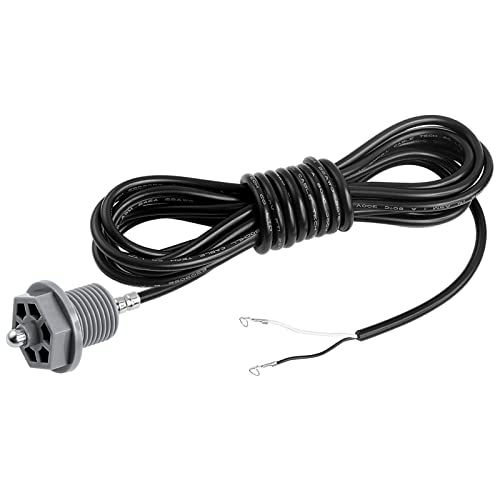
Yes, failing temperature sensors often trigger watchdog errors or flashing dashes on the display board. Corrosion or worn wiring prevents the control pack from reading accurate water heat, causing the safety circuit to trip. Installing replacement parts like the Tobaiwind M7 sensor or XMK 6600-166 probe restores accurate communication and regular heater cycling.
Why should you use a floating thermometer alongside built-in digital controls?
Floating thermometers provide an independent secondary reading to confirm that internal thermistors are calibrated correctly. Control board probes sit inside the heater tube where moving water might register warmer than the open footwell. Simple floating gauges or wireless tools like the GoveeLife P2 give you peace of mind before stepping in.
What is the lowest safe level to maintain during freezing winter months?
Spas should never drop below 80°F during freezing weather to prevent ice from cracking internal plumbing lines. Modern portable tubs equipped with automated systems like Freeze Shield turn on the pump and heater automatically if water approaches critical freezing levels. Keeping baseline heat steady requires less total wattage than reheating frozen water from scratch.
How fast can an inflatable spa heat up to the best temperature hot tub?
Inflatable tubs using standard 110V power cords generally heat up at a rate of two to three degrees per hour. Standard household outlets limit the heater element to around 1.3 kW to 1.5 kW of power. Keeping the insulated cover strapped down tightly during warm-up prevents rising heat loss and speeds up the entire cycle.





Write Your Review
No reviews yet. Be the first to share your experience!