

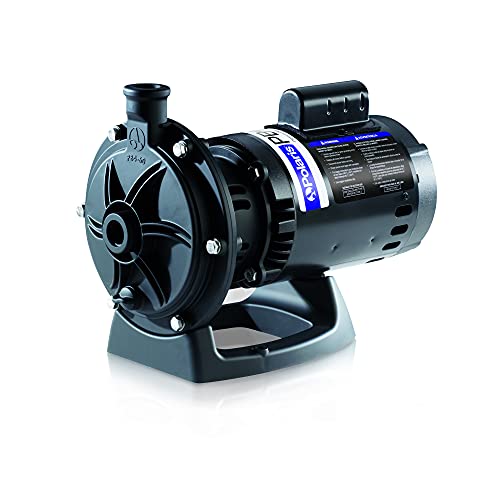
Nothing kills a pressure-side cleaning cycle faster than a booster pump that has lost its prime. Whether it is a worn impeller, a cracked volute, or a leaking O-ring, these small components dictate how well your Polaris Pool Cleaner Booster Pump Parts performs. Many pool owners face the frustrating choice between replacing the entire pump or sourcing specific replacement parts to restore proper flow. Understanding which part is failing saves you money and keeps your pool water clear without unnecessary downtime.
This roundup highlights ten essential components for the Polaris PB4-60 series, ranging from full pump units to individual seal kits. We analyzed product specifications, material durability, and user feedback to help you identify the right fit for your specific pump serial number. From pool maintenance accessories to critical internal mechanics, these items address common failure points. Selecting the correct part ensures your pressure-side cleaner maintains the suction needed to navigate your pool floor and walls effectively.



For more on a connected point, our page on best booster pump pool cleaner goes into it separately.
Frequently Asked Questions
Do these parts fit all Polaris pumps?
Most listed parts fit the PB4-60 booster pump specifically. You must verify your pump’s serial number to ensure compatibility. Pre-2012 models often require different seal kits than current units. Always check the manufacturer’s date code before ordering.
Can I replace just the impeller?
Yes, you can replace the impeller without buying a new pump. This is a common DIY fix for reduced flow issues. The R0536400 part number is standard for many units. Installation usually requires only basic hand tools.
Are hose kits universal for all pumps?
Many hose kits are designed for 3/4 horsepower booster pumps. They typically include quick-connect adapters for standard plumbing. Check the thread size on your pump outlet. Using the correct size prevents leaks and ensures a secure connection.
How do I know if seals are worn?
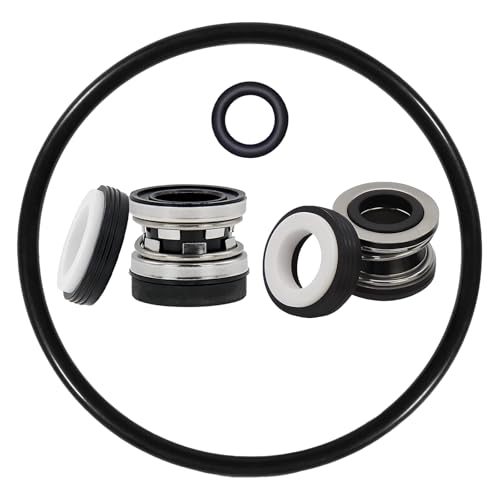
Look for water leaks around the pump housing or air suction. Worn O-rings and shaft seals are common failure points. Replacing the full seal kit is often cheaper than a pump. This restores proper pressure and filtration efficiency quickly.
Do these parts work in saltwater pools?
Most components are made from corrosion-resistant materials suitable for saltwater. However, specific salt pool seal kits exist for older models. Check the product description for saltwater compatibility notes. Proper maintenance extends the life of these parts significantly.




Write Your Review
No reviews yet. Be the first to share your experience!