
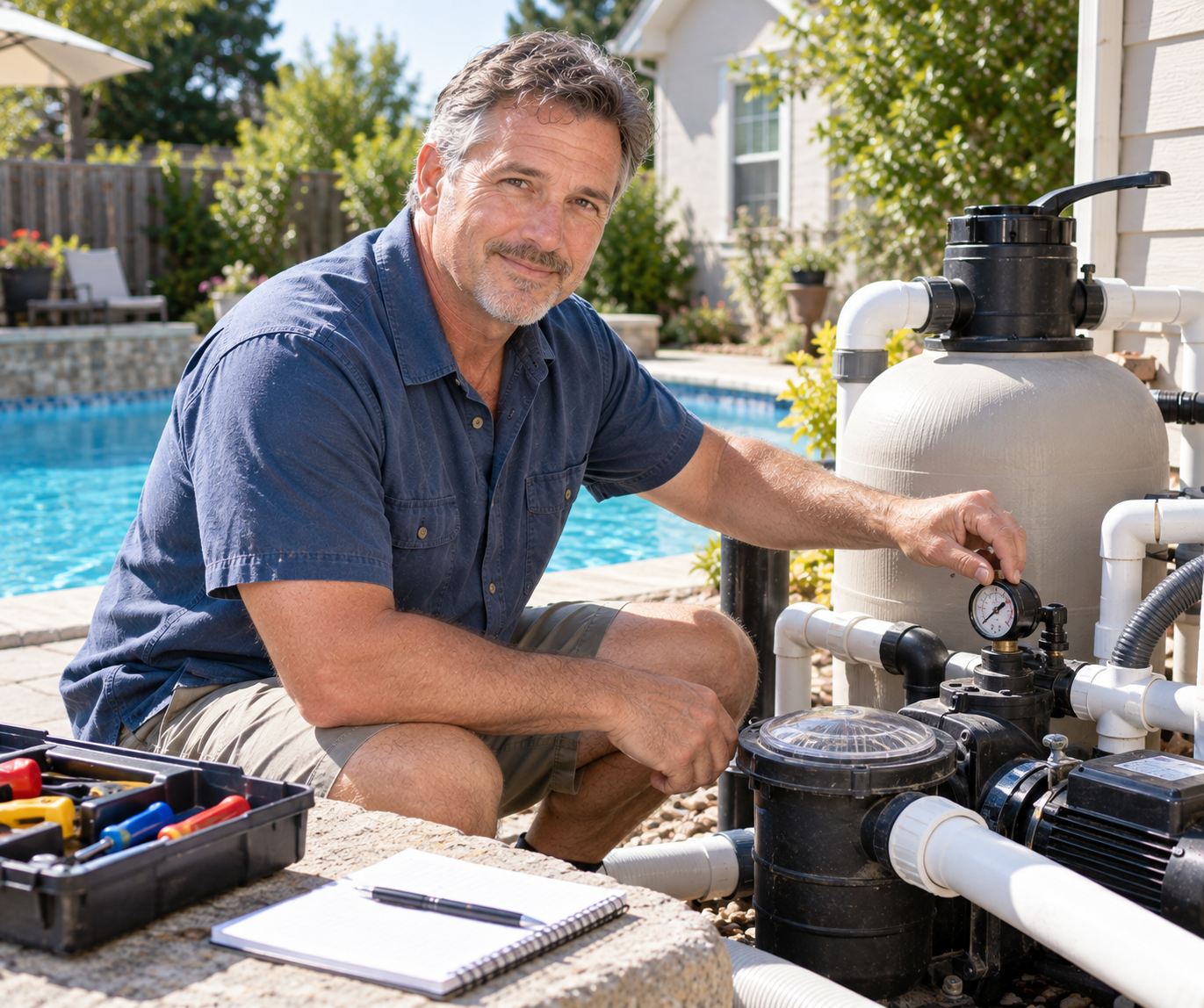

Nothing ruins a swim day quite like fine silt settling on the pool floor or a cleaner getting stuck on main drain covers. You need a machine that actually moves debris without tangling cables or scuffing your vinyl liner. Choosing between a pressure side vs robotic pool cleaner can feel overwhelming because each type works differently. Pressure side cleaners use water pressure from the return line to propel themselves and suck up debris. Robotic cleaners, on the other hand, plug directly into an outlet and use internal motors for independent movement. Understanding these core differences helps you pick the right tool for your specific pool shape and surface type.
Many in-ground pool owners prefer robotic units for their hands-free operation and ability to climb walls. However, pressure side models from brands like Polaris are excellent for large debris like leaves and acorns. The key is matching the cleaner to your pool’s filtration setup and your maintenance habits. Some buyers find that a robotic pool cleaner saves more time on fine particles, while others appreciate the simplicity of a pressure side sweeper for heavy leaf seasons. We analyzed the specifications of ten top-rated models to help you decide which system fits your budget and cleaning needs best.





Frequently Asked Questions
Do pressure side cleaners need a booster pump?
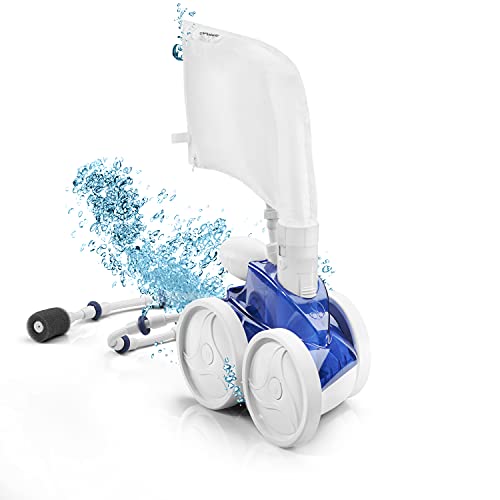
Yes, most pressure side cleaners require a dedicated booster pump to generate enough water pressure. This extra pump increases energy consumption but ensures strong suction for large debris. The Polaris Vac-Sweep 380 is a prime example that relies on this setup for effective cleaning.
Are robotic pool cleaners safe for vinyl liners?
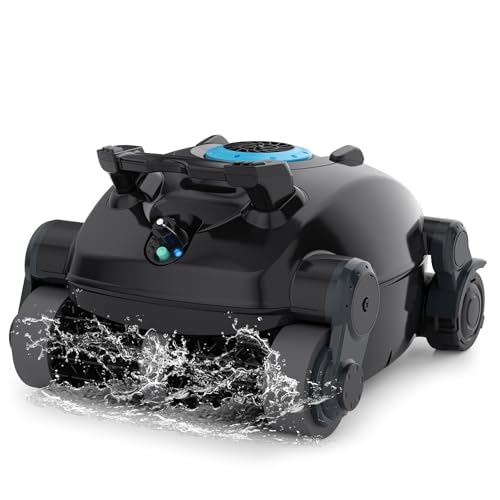
Yes, modern robotic cleaners are generally safe for vinyl liners if they have soft brushes. Models like the C5 Robotic Pool Cleaner use gentle filtration to avoid scuffing. Always check the manufacturer’s surface compatibility list before buying to ensure your liner is protected.
Which cleaner is better for fine sand silt?
Robotic cleaners with ultra-fine mesh filters are typically better for trapping fine sand silt. The 180-micron filtration in the C5 model captures microscopic particles that might pass through a standard mesh bag. This helps keep your water clearer and reduces the load on your main pool filter system.
Can I use a pressure side cleaner in saltwater?
Yes, many pressure side cleaners are compatible with saltwater pools. The Zodiac F5B Polaris Vac-Sweep 280 Black Max is designed to work in various water chemistries. Ensure the components are corrosion-resistant to maintain longevity in a saltwater environment over time.
How long does a robotic cleaner take to clean?
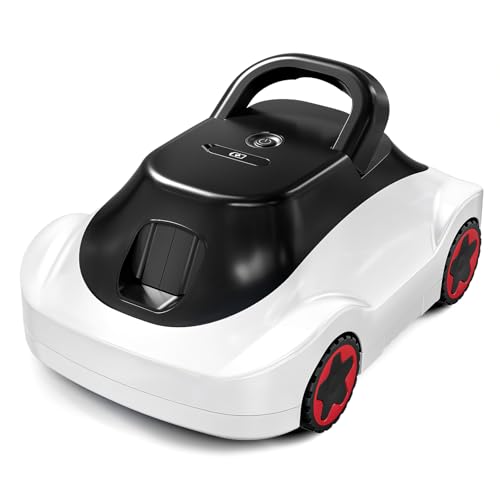
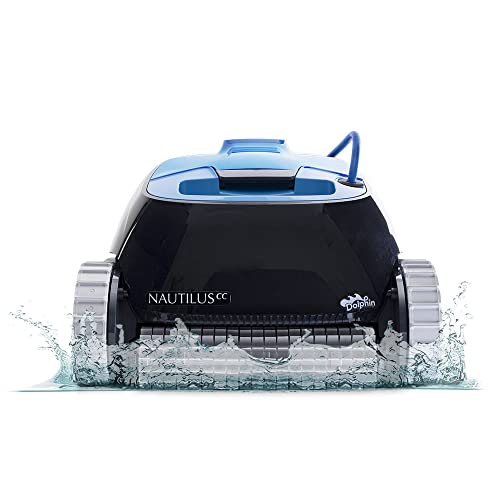
Most robotic cleaners complete a full cycle in two to three hours. The Dolphin Nautilus CC, for instance, cleans a pool in about two hours. Cordless models may have shorter runtimes, so check the battery life to ensure it covers your entire pool area.


Write Your Review
No reviews yet. Be the first to share your experience!