


Keeping Inground Pool Surfaces Spotless and Swim-Ready
Stubborn waterline scum lines and fine sand settling along deep-end slopes can quickly turn an inviting swim into a dreaded weekend chore. Dragging heavy manual hoses across the deck and constantly brushing slick algae off gunite walls takes the fun right out of owning a pool. Upgrading to the best robotic pool cleaner inground pools lets you hand off daily vacuuming to dedicated drive tracks and active scrubbing brushes. Our research into product specifications and user feedback suggests that modern automated units dramatically improve pool water clarity without straining your primary skimmer basket or main filtration system. Consistent cycle runs help maintain balanced water chemistry by circulating dead spots near bottom drains.
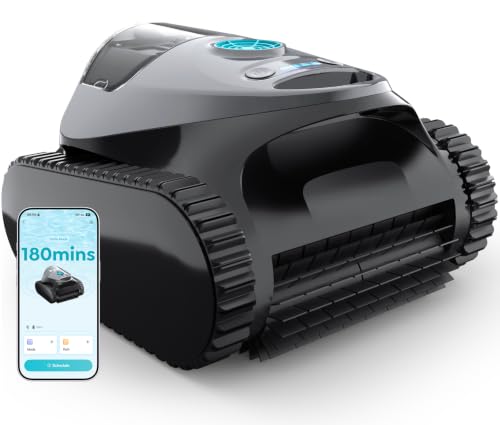
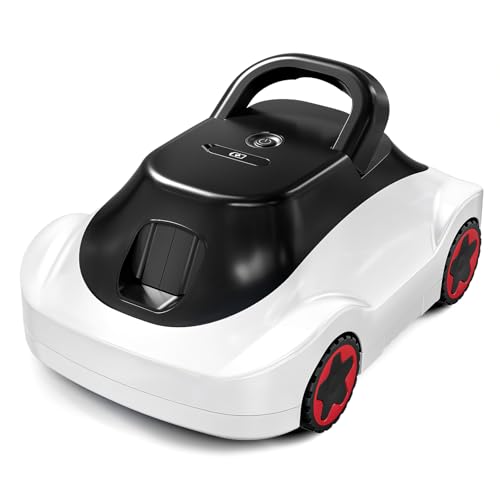
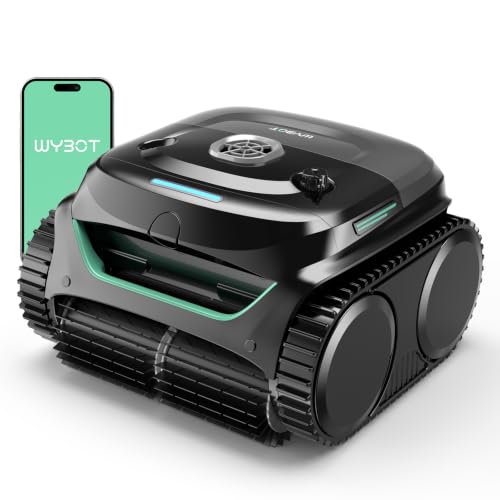
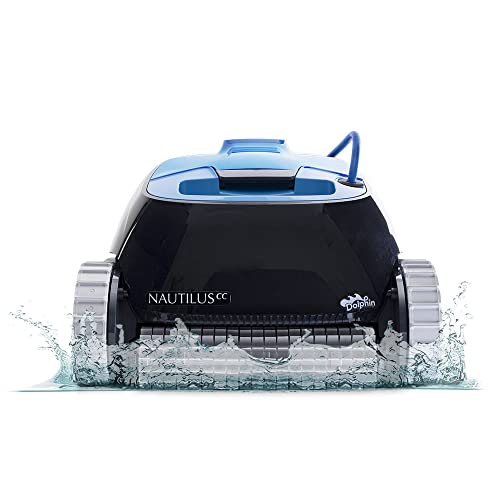
Modern automated pool cleaners handle tough floor contours, climb steep transitions, and trap fine silt in high-capacity canisters with zero fuss. Rugged cordless battery models offer total freedom from tangled floating cables, while classic plug-and-play scrubbers deliver constant power for heavy autumn leaf drops. Taking the chore out of skimming gives you more weekend hours to relax on the patio, especially if you balance outdoor chores with our practical backyard spa maintenance guide. Selecting the right drive mechanism and ultra-fine filtration mesh will keep your pool floor spotless and ready for swimming whenever warm weather arrives.





Frequently Asked Questions
Can the best robotic pool cleaner inground pools safely scrub vinyl liner and fiberglass pools?
Yes, most robotic pool cleaners operate safely on vinyl liners and smooth fiberglass shells without causing scuffs or tears. Soft PVC roller brushes and rubber drive tracks provide firm grip on slick walls while protecting delicate pool surfaces. Always confirm that your selected model lists compatibility with your specific interior finish before running its first cleaning cycle.
How often should you empty the top-loading filter basket?
You should rinse the debris canister immediately after every cleaning cycle. Leaving decaying leaves and fine silt inside the filter basket restricts internal water flow and adds unnecessary drag during future runs. A quick garden hose rinse keeps the ultra-fine mesh clean and ready for maximum suction performance.
Do robotic pool cleaners get hung up on raised main drain covers?
Modern cleaners rarely get stuck because raised drive tracks and smart obstacle avoidance guide them over protruding drain fittings. High-clearance chassis engineering prevents the robot from high-centering over domed drains. If an older drain profile causes occasional hang-ups, adding an anti-stick drain ring creates a smooth transition ramp.
Are robotic pool cleaners compatible with saltwater pool systems?
Yes, high-grade robotic vacuums perform reliably in saltwater pools as long as salinity levels remain within manufacturer recommendations. Saltwater environments can accelerate mineral buildup on drive tracks and motor shafts if left unaddressed. Rinsing your cleaner with fresh tap water after each run prevents salt crystallization and protects internal drive seals.
Should you leave your best robotic pool cleaner inground pools in the pool during freezing weather?
No, you should always remove and store the cleaner indoors whenever outdoor temperatures dip toward freezing. Expanding ice inside motor housings and plastic impellers can cause severe internal cracking. Just as seasonal water maintenance demands seasonal precautions (similar to steps in our guide on winter water care and freeze protection), robotic cleaners should stay clean and dry in a sheltered garage throughout the off-season.


Write Your Review
No reviews yet. Be the first to share your experience!