


Fine silt and blowing sand often settle into the low spots of a pool floor, turning weekend relaxation into hours of back-straining pole scrubbing. Keeping pool water pristine requires reliable water movement and automated debris collection. Reviewing best pool cleaner consumer reports reveals how modern mechanical cleaners take the heavy lifting out of pool maintenance before dirt chokes your skimmer. Homeowners balancing backyard aquatic setups alongside an inflatable hot tub know that smart filtration makes all the difference in water clarity. Careful analysis of motor efficiency, filtration ratings, and pump flow requirements helps ensure you pick a cleaner suited for your pool finish.
Different pool surfaces demand distinct cleaning mechanisms to avoid vinyl scuffs or missed debris lines. Suction cleaners rely directly on pool pump circulation to pull grit into your primary filter, while pressure-side units use booster lines and collection bags for heavy leaf loads. Cordless robotic vacuums eliminate tangled floating cords entirely, navigating walls and floors on independent battery power. Reliable data on best pool cleaner consumer reports guides buyers toward units that handle steps, main drains, and stubborn waterline scum with minimal effort.




Frequently Asked Questions
Do robotic pool cleaners work on vinyl and fiberglass surfaces?
Yes, most robotic pool cleaners safely scrub vinyl, fiberglass, concrete, and tile surfaces. Rubber tracks and soft roller brushes lift algae without scratching smooth gel coats or tearing vinyl liners. Products like the Letexpool C1 provide reliable traction across slick slopes. Always verify surface ratings before running abrasive brushes on sensitive liners.
What is the difference between suction and pressure pool cleaners?
Suction-side cleaners connect directly to a skimmer or dedicated suction line, using pool pump flow to pull dirt into the main filter. Pressure-side units like the Polaris Vac-Sweep 280 use booster water flow to sweep debris into an attached bag. Pressure units reduce filter wear, while suction units like the Zodiac MX6 need fewer parts.
How do cordless battery pool vacuums handle full cleaning cycles?
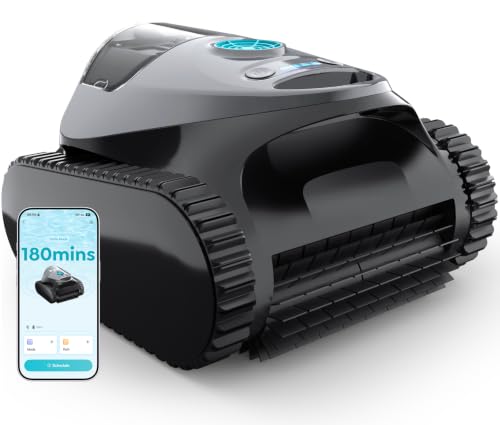
Rechargeable lithium-ion batteries power independent drive motors and impellers for cycles lasting up to 180 minutes. Units like the OUCAXIA C5 and WYBOT B1 transition between slopes without tether cables catching on fittings. When battery power drains, auto-parking drives the cleaner to the pool edge for simple hook retrieval.
Why does an automatic cleaner get stuck on main drain covers?
Raised drain covers break suction seals or catch low-clearance chassis frames. Suction cleaners like the XtremepowerUS vacuum utilize bumper deflector wheels to pivot away from raised obstacles. Adjusting hose float positions, balancing regulator valves, or installing low-profile drain covers ensures smooth travel across the entire pool floor.
Can you leave an automatic cleaner in the pool during freezing weather?
No, automatic pool cleaners should never stay submerged in freezing temperatures. Expanding ice damages drive motors, cracked plastic casings, and internal seals. Similar to seasonal maintenance described in our guide on winter hot tub maintenance, drain the cleaner completely and store it in a dry, temperature-controlled space.
How often should you clean the debris filter on Best Pool Cleaner Consumer Reports?
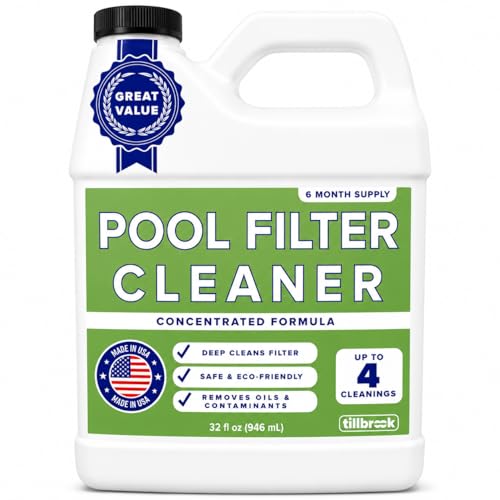
Empty the debris container after every cleaning cycle to maintain strong suction power. Ultra-fine mesh canisters trap silt and sand that quickly restrict flow if neglected. Periodic deep soaking with Tillbrook filter cleaner breaks down trapped oils and sunscreen. Consistent cleanouts prevent motor strain and keep water crystal clear throughout 2026.


Write Your Review
No reviews yet. Be the first to share your experience!