
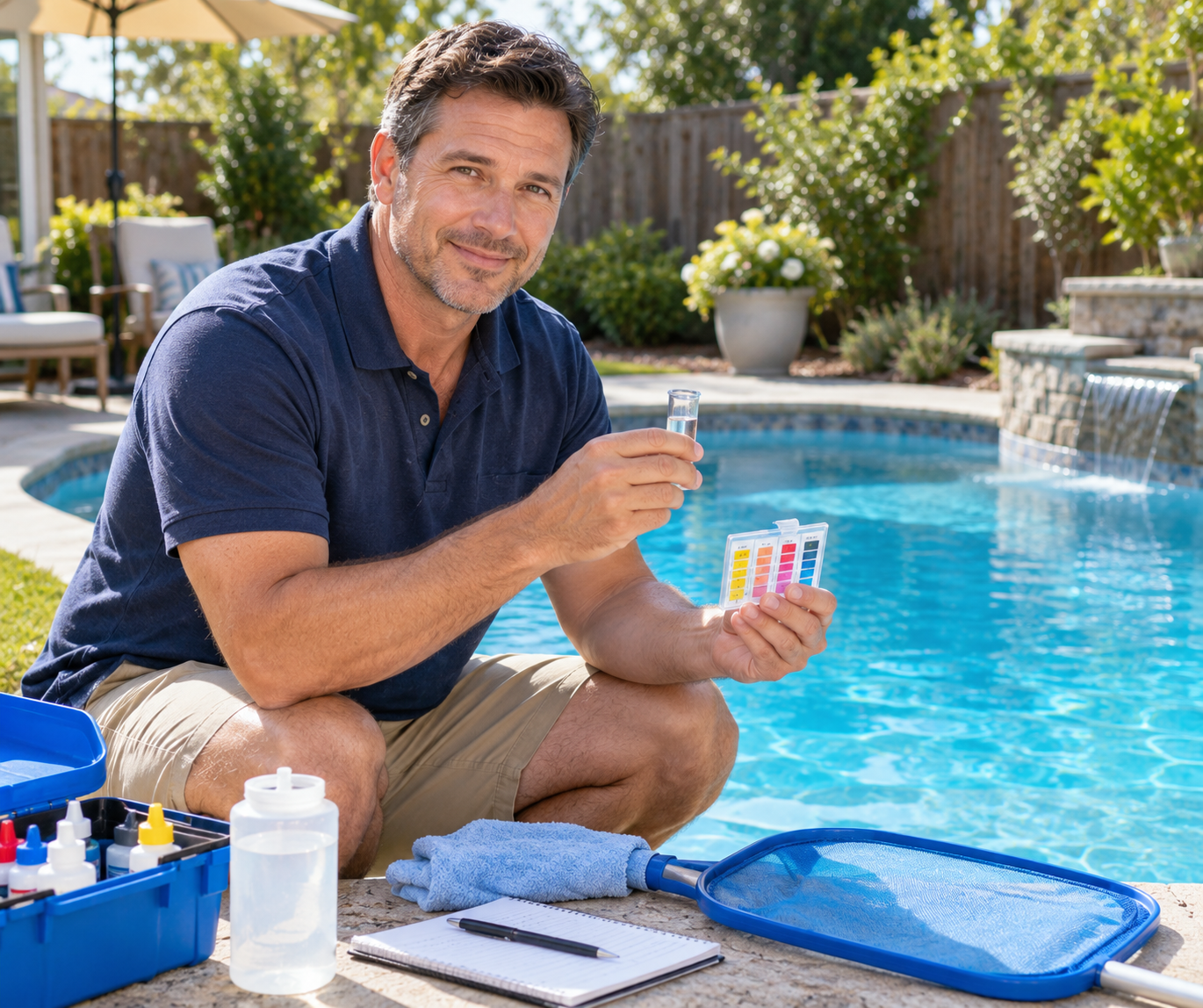

Stepping into an outdoor spa after a long workday should provide immediate muscular relief without feeling uncomfortably scalding or unexpectedly tepid. Homeowners often struggle to find the exact balance between therapeutic heat, sensible power consumption, and long-term bather comfort. If you are wondering what temp is a hot tub usually maintained at, modern factory presets typically hold water between 100 degrees Fahrenheit and 102 degrees Fahrenheit. Maintaining this target range provides steady relaxation while keeping your heater from running continuously against cooler ambient air.
Water temperature directly affects both physical safety and energy efficiency, especially when winter weather increases standby heat loss through the acrylic shell. Pairing your spa with a dense insulating hot tub cover helps trap residual thermal energy so your heater can sustain consistent warmth without spiking utility costs. Setting the thermostat correctly also protects sensitive spa components and prevents common watchdog error codes from tripping control boards. Finding the ideal setting allows bathers of varying tolerances to enjoy comfortable hydrotherapy throughout every season.


Pros
- Pre-drilled holes and attached twine make hanging quick and hassle-free.
- Charming rustic farmhouse typography adds personality to spa areas and covered decks.
- Lightweight profile mounts safely on light-duty hooks without damaging walls.
- Inexpensive decorative touch for personal hot tubs or guest vacation rentals.
Cons
- Product dimensions show a discrepancy between the 10x8 title and 12x6 specification details.
- Natural wood construction is best kept in sheltered areas away from direct rain, heavy snow, and dense steam.
- Lightweight twine hanging can swing in outdoor wind unless anchored at the base.
The YCYD Wooden Hot Tub Sign is a charming decorative wall accent tailored for spa owners, cabin hosts, and homeowners looking to bring personality to their hot tub lounge area. Featuring the playful phrase 'Life Is Better In The Hot Tub' set against a rustic faux-slat background, this sign works especially well in covered patios, screened porches, hot tub enclosures, or adjacent indoor bathrooms. It provides a welcoming visual cue that invites guests and family members to unwind, making it a popular choice for vacation rental setups and backyard entertaining spaces.
Decorating a spa space requires accessories that fit constrained wall areas without crowding equipment or walking paths. With dimensions listed at approximately 12 by 6 inches and a slim 0.2-inch thickness, this plaque easily mounts on gazebo posts, deck privacy walls, fence rails, or changing room doors. Its compact scale makes it versatile enough to tuck into small nooks beside towel racks or outdoor drink shelves without dominating the wall space.
The plaque is constructed from smooth-finished wood featuring clean edges and clear, printed graphic lettering designed to resist premature peeling or burring. Because it relies on printed graphics rather than heavy carved lumber, the sign remains very lightweight. It comes equipped with pre-drilled holes on either side and includes hanging twine, allowing you to suspend it from standard finishing nails, cup hooks, or outdoor-rated adhesive hangers without needing power tools.
Installing the sign takes only a minute thanks to the pre-strung twine arrangement, but placement requires thoughtful consideration regarding weather exposure. While suitable for open-air enjoyment, prolonged exposure to direct rainfall, heavy snow, or constant high humidity from bubbling hot tub steam could degrade untreated wood over multiple seasons. Hot tub owners looking for maximum longevity will get the best results by hanging this sign under an eave, inside a gazebo, or along a covered patio where it stays shielded from direct weather runoff.
A practical detail to keep in mind when ordering is the size notation provided by the manufacturer. While the product title mentions 10 by 8 inches, the detailed specifications list the piece as approximately 12 by 6 inches by 0.2 inches thick. Additionally, because the sign is lightweight and suspended by rope, outdoor breezes can cause it to sway against siding or posts unless anchored with double-sided exterior mounting tape or small adhesive pads at the lower corners.
If you want a quick, affordable way to personalize your hot tub retreat or vacation property, the YCYD wooden sign offers an attractive rustic touch. It makes an enjoyable gift for new spa owners or an easy weekend decor upgrade for covered patio retreats. Just be sure to measure your intended display space against the 12-by-6-inch specifications and position the plaque away from direct downpours to keep the wood looking fresh.
Mounting this decorative wooden sign is simple thanks to the pre-drilled corner holes and included twine loop. For outdoor deck posts, privacy screens, or gazebo frames, a simple cup hook, screw, or nail will hold the lightweight plaque securely.
If you plan to hang the sign in an indoor spa bathroom or on smooth vinyl siding, an outdoor-rated adhesive hook works well without requiring drilled holes. In windy outdoor areas, applying a small piece of exterior-grade mounting tape behind the bottom edge prevents the sign from clattering or swinging against the wall during breezy conditions.
To maintain the appearance of the printed wood graphic, position the sign in a sheltered location that protects it from standing water, direct driving rain, and continuous spa steam. Covered porches, pergolas with solid roofs, screened cabanas, or adjacent indoor changing areas provide ideal environments.
Routine maintenance is minimal. Simply wipe the surface occasionally with a clean, dry microfiber towel or soft cloth to remove dust and outdoor pollen. Avoid using harsh chemical pool cleaners, abrasive scrubbers, or soaking the wooden board in water, as excess moisture could cause the material to warp over time.


Guide to Hot Tub Temperature Standards, Safety Limits, and Thermal Control
Determining the right temperature for your backyard spa requires balancing physical comfort, energy efficiency, and basic biological safety limits. While personal preferences vary based on climate and time of day, industry standards provide clear operational boundaries. Factory defaults, regulatory safety maximums, and individual health factors all dictate how warm your water should be.
Standard Operating Temperatures and the 104-Degree Ceiling
Most residential hot tubs leave the factory calibrated to reach a default target between 100 degrees Fahrenheit and 102 degrees Fahrenheit. This range represents the standard sweet spot for adult bathers because it sits comfortably above normal internal body temperature. Soaking within these parameters promotes vasodilation, relaxes tense skeletal muscle fibers, and stimulates blood circulation without placing undue cardiovascular strain on the body. Setting your thermostat within this bracket ensures a deeply satisfying thermal soak while preventing your heating element from running continuously.
Safety standards established by Underwriters Laboratories and the Consumer Product Safety Commission place a strict maximum limit of 104 degrees Fahrenheit (40 degrees Celsius) on all modern spa control packs. Submerging your body in water hotter than this cutoff presents genuine physiological hazards because your skin cannot shed heat through perspiration while fully immersed. Prolonged soaking above 104 degrees Fahrenheit can quickly induce drowsiness, heat exhaustion, dizziness, or even hyperthermia. High-limit safety switches are hardwired into modern spa heaters specifically to cut power instantly if internal water temperatures ever breach this critical threshold.
Customizing Heat Settings for Different Bathers and Health Profiles
Individual heat tolerance varies significantly based on age, cardiovascular health, and physical fitness. Healthy adults can generally soak at 102 degrees Fahrenheit or 104 degrees Fahrenheit for sessions lasting up to twenty minutes without adverse effects. However, elderly bathers and individuals taking blood pressure medications should consult their physicians and generally keep water set closer to 98 degrees Fahrenheit or 100 degrees Fahrenheit. Lowering the setpoint by just two to four degrees significantly reduces the likelihood of sudden lightheadedness when standing up to exit the spa.
Children and pregnant women require much stricter temperature precautions due to differences in metabolic thermal regulation. Pediatric bathers absorb thermal energy rapidly through their smaller body surface areas and struggle to regulate core body heat as efficiently as adults. For young children, spa water should never exceed 95 degrees Fahrenheit to 98 degrees Fahrenheit, and soaking sessions should be kept brief. Expectant mothers should strictly avoid soaking in water above 100 degrees Fahrenheit, as elevated maternal core temperatures can pose serious developmental concerns.
Seasonal Adjustments: Winter Heating Versus Summer Cooling
Freezing winter weather dramatically increases the thermal demands placed on your heating element and cabinet insulation. During sub-zero months, maintaining a steady setpoint between 100 degrees Fahrenheit and 102 degrees Fahrenheit helps prevent plumbing freeze damage and avoids lengthy thermal recovery cycles. If you lower your spa temperature too drastically between winter uses, your heater may struggle for several hours to regain soaking warmth. Utilizing an efficient foldable thermal spa cover helps lock in that baseline thermal energy and minimizes continuous kilowatt consumption against bitter outdoor air.
Electrical service configuration directly dictates how effectively your hot tub maintains water temperature during winter operation. Standard 110-volt plug-and-play spas utilize compact 1-kilowatt to 1.5-kilowatt heating elements that cannot operate concurrently with high-speed hydrotherapy pumps due to 15-amp breaker limits. As a result, running high-speed jets on a 110-volt tub in cold weather causes water temperatures to drop noticeably within fifteen to thirty minutes. In contrast, 230-volt hardwired spas supply enough current to run heavy-duty 4-kilowatt or 5.5-kilowatt heaters simultaneously with multi-pump systems, preserving steady heat even in snowy conditions.
Summer climates invite an entirely different approach to temperature management. Scorching ambient temperatures make soaking in triple-digit water uncomfortable for most users. Many owners lower their spa setpoint down to 85 degrees Fahrenheit or 90 degrees Fahrenheit during July and August to create a refreshing plunge tub. Keep in mind that heavy solar radiation on dark spa shells can naturally push water temperatures above your programmed thermostat setting, which may require running automated filter cycles during cooler nighttime hours.
Standby Idle Modes Versus Active Soaking Temperatures
A common misconception among first-time spa owners is that turning the thermostat down substantially between daily uses saves money on electricity. In reality, reheating hundreds of gallons of water from ambient outdoor temperatures back to therapeutic levels requires massive thermal energy expenditure. Because water has a high specific heat capacity, cycling the heater through broad temperature swings places unnecessary strain on relays and heating coils. Maintaining a consistent temperature or reducing it by only two to three degrees between daily sessions proves far more energy efficient.
Longer absences such as business trips or seasonal vacations do warrant deeper temperature reductions. Most contemporary digital spa packs offer specialized economy or rest modes that drop the setpoint by ten to twenty degrees. Lowering the water to roughly 80 degrees Fahrenheit during extended departures prevents thermal degradation of chemical sanitizers while guarding internal plumbing against freeze cycles. Adhering to standardized energy consumption parameters like those outlined in CEC Title 20 or APSP-14 ensures that idle standby heat loss remains minimal throughout these extended standby periods.
Verifying Heat Accuracy with Secondary Manual Thermometers
Topside digital control panels display water temperature based on thermistors mounted directly inside the heater manifold or near the skimmer well. While these computerized sensors are generally reliable, localized heating and thermal stratification can cause displayed readings to deviate from actual footwell temperatures. A failing circulation pump or a partially clogged filter cartridge can also cause water around the sensor to read falsely high. Verifying your topside display with an independent, physical measuring tool ensures that your soak remains safe and enjoyable.
Using a dedicated manual thermometer provides an accurate secondary measurement to verify topside digital accuracy. Specialized sinking thermometers, such as the SplashTech pocket reservoir pool thermometer, submerge deeply into the water column rather than floating on the sun-warmed surface. The integrated pocket reservoir captures water from beneath the surface, allowing you to read dual Fahrenheit and Celsius increments without ambient wind skewing the measurement. Comparing physical reservoir readings with your topside control panel quickly reveals whether calibration offsets or sensor drifts are developing inside your equipment bay.
Diagnosing Temperature Sensors and Watchdog Error Codes
Electronic temperature sensing systems rely on precise resistance measurements sent from sensitive thermistors directly to the main circuit board. When these components fail or experience electrical degradation, the control pack triggers safety lockouts to prevent accidental scalding. Sundance Spas and Jacuzzi hot tubs frequently display a watchdog error code consisting of four dashed lines across the topside display when temperature sensors fail. This diagnostic indicator indicates an open electrical circuit, a damaged thermistor lead, or a severe temperature mismatch between the primary sensor and the high-limit sensor.
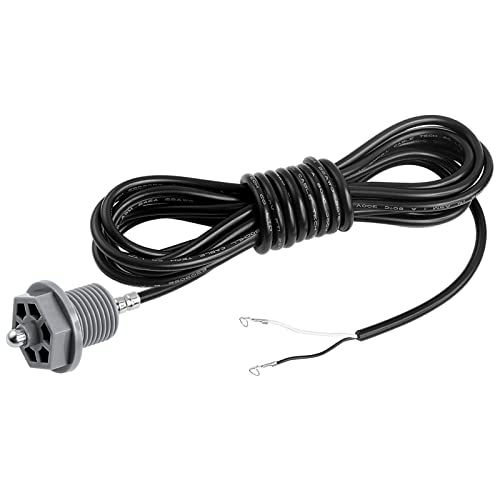
Resolving watchdog errors typically involves replacing the faulty temperature sensor with a compatible aftermarket or OEM component. High-quality replacement units, such as the XMK temperature sensor for Sundance Spas and Jacuzzi hot tubs, feature curled finger electrical connectors and durable O-ring seals to prevent cabinet leaks. These replacement assemblies come equipped with twelve-foot wiring harnesses designed to route smoothly through internal foam insulation back to the control enclosure. Technicians often tape the lead of the new sensor to the severed wire of the defective probe, pulling the new line cleanly through the cabinet without dismantling external paneling.
After seating the new temperature sensor probe firmly inside its thermowell fitting, restoring power to the dedicated GFCI breaker allows the system to run internal diagnostic checks. The control board reads baseline resistance from the new probe and compares it against ambient water temperature. If the four dashed lines disappear and the circulation pump resumes its normal filtration cycle, the diagnostic repair is complete. Always inspect the sensor O-ring carefully during installation to ensure that pressurized water cannot seep past the probe threads into the electronic cabinet.
Thermal Efficiency, Cabinet Insulation, and Heat Retention
Maintaining steady water temperatures without excessive utility consumption depends heavily on the thermodynamic engineering of your spa cabinet. Premium hot tubs utilize dense, closed-cell expanding polyurethane full-foam insulation that fully encases internal PVC manifolds and jet bodies. This dense foam locks the plumbing in place, dampens pump vibration, and creates a continuous barrier against frigid exterior air. Budget models often rely on open-cavity perimeter insulation with reflective thermal foil, which allows faster ambient heat loss during windy conditions.
Even the best cabinet insulation cannot compensate for an inadequate or failing top cover. More than sixty percent of total thermal loss in an outdoor spa escapes directly through the water surface via evaporation. Investing in a durable outdoor patio hot tub cover with a thick tapered EPS foam core and marine-grade vinyl seals prevents radiant heat from escaping into the night air. Ensuring the central hinge heat seal remains tight keeps the heater from running continuously, which stabilizes internal temperatures and extends the operating lifespan of your electrical components.
Water Chemistry Reactions at Elevated Temperatures
Operating a hot tub at elevated temperatures profoundly changes the behavior and dissipation rate of chemical sanitizers. Hot water accelerates chemical reaction rates, causing free chlorine and bromine residuals to oxidize and gas off much faster than in cooler swimming pools. Bathers also perspire significantly more in water above 100 degrees Fahrenheit, introducing sweat, body oils, and organic waste that rapidly deplete sanitizer levels. Regular testing and shock oxidation become necessary to prevent chloramine buildup and maintain sanitary soaking conditions.
Elevated water temperatures also directly impact the saturation index and calcium solubility of your water. When water temperatures exceed 100 degrees Fahrenheit, calcium carbonate becomes significantly less soluble and tends to precipitate out of solution onto hot surfaces. Unbalanced total alkalinity and high pH levels combined with hot water cause rapid scale accumulation across the heating element sheath. This chalky mineral coating insulates the metal element, causing it to overheat internally, cycle inefficiently, and ultimately burn out prematurely.
Creating an Inviting and Safe Backyard Hot Tub Environment
Creating an inviting spa space involves balancing thermal performance with clear safety boundaries for your household and visiting guests. Mounting durable wall decor, such as the Qious rustic wooden hanging sign or the YARSIGNS vintage metal spa sign, adds charming character while establishing a relaxed retreat atmosphere. Humorous accents like the WZYOPR aluminum hot tub sign or the YCYD farmhouse wooden hanging sign bring personality to your deck while subtly reminding bathers that the spa is a place for calm rejuvenation.
Along with decorative wall accents, practical safety features should always accompany your temperature management strategy. Keep non-slip rubber stepping pads and sturdy handrails near the entry point to assist bathers whose blood pressure may drop slightly after soaking. Maintain a cooler of fresh drinking water nearby so bathers can hydrate consistently during fifteen to twenty minute hydrotherapy sessions. Establishing clear household guidelines regarding thermostat settings and soak durations ensures that every guest enjoys a safe, restorative experience without thermal discomfort.
Final Practical Verification for Daily Soaking Comfort
Finding your personal ideal hot tub temperature is an ongoing balance between physical comfort, seasonal weather patterns, and sensible energy consumption. Most spa owners find that locking their thermostats between 100 degrees Fahrenheit and 102 degrees Fahrenheit delivers an optimal balance of deep muscle relaxation and reasonable operating costs. Periodically confirming topside accuracy with a submerged manual thermometer protects bathers against drifting thermistors and hidden flow errors. By combining diligent water care, tight thermal covers, and mindful temperature moderation, you can enjoy dependable backyard hydrotherapy all year long.


Write Your Review
No reviews yet. Be the first to share your experience!